
Redfin says the median U.S. home-sale price fell 0.1% year over year to $389,601, the first drop in over three years, as 7%+ mortgage rates push buyers away. Here’s what it means for buyers, sellers and renters.
November 4, 2026
Home improvement · Real estate · Life around the house

Redfin says the median U.S. home-sale price fell 0.1% year over year to $389,601, the first drop in over three years, as 7%+ mortgage rates push buyers away. Here’s what it means for buyers, sellers and renters.
 Mai
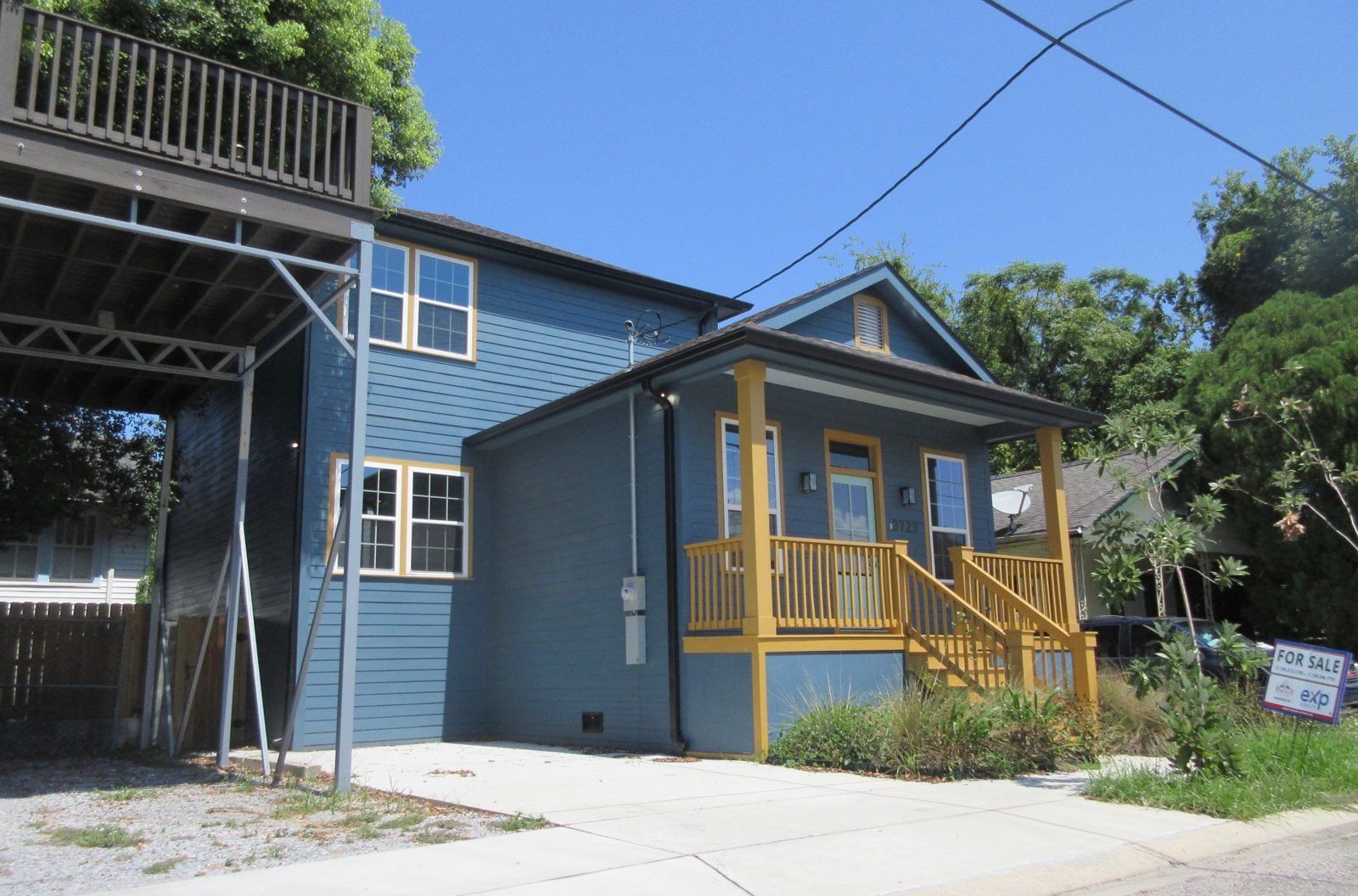
Table of Contents
ToggleYes, U.S. home prices have started to slip, but only barely. Redfin reported on Oct. 29 that the median home-sale price was $389,601 for the four weeks ending Oct. 25, 2026, down 0.1% from a year earlier. That followed a 0.2% drop the week before, and it’s the first time in more than three years that prices have been lower than they were a year ago. The cause is no mystery: mortgage rates above 7% have pushed the typical monthly payment to near-record highs, and buyers have pulled back.
A 0.1% dip won’t make anyone’s house cheap. What it does mean is that the balance of power is shifting. Here’s what the latest numbers show, why prices are softening, and what it means if you’re buying, selling, or renting this winter.
The figures come from Redfin’s weekly housing market update, which tracks more than 900 U.S. metro areas. For the four weeks ending Oct. 25:
Redfin also said there are “hundreds of thousands more home sellers than buyers nationwide,” giving buyers more negotiating power than they’ve had in over a decade. Prices have been easing since summer: the median peaked at about $409,000 in mid-July, according to Deseret News’ reading of Redfin’s data.
Asked to explain the drop, Redfin chief economist Daryl Fairweather told The Washington Post it comes down to two words: “Mortgage rates.”
The 30-year fixed rate crossed 7% on Sept. 17 and was 7.31% on Oct. 29, according to a Richmond Fed analysis. CNBC notes that rates are roughly a full percentage point higher than a year ago. On a typical loan, that adds hundreds of dollars a month, which knocks many buyers out of their price range.
Pending sales have fallen in all 50 of the most populous U.S. metros for three weeks running, per Redfin. A separate National Association of Realtors report showed pending sales in September at their lowest level in 25 years, CNBC reported. When fewer people are bidding, sellers can’t push prices up.
Many owners locked in much lower rates years ago and don’t want to give them up. The Richmond Fed says the widening gap between new mortgage rates and the rates existing owners pay is likely to deepen this “lock-in” effect. An Inman survey of real estate agents found 45% said their listing pipelines were lighter than a year ago in October, up from 32% in September.
The national number hides big local swings. The Washington Post, citing Redfin, reported that prices in Austin are down more than 4% from a year ago, while San Francisco prices rose 15%. More affordable markets such as Pittsburgh and Cleveland are still drawing buyers, with prices up about 7% and nearly 5% respectively. So before you read too much into the headline, check recent sales in your own ZIP code.
Softer prices don’t automatically mean a cheaper home, because the monthly payment is what most budgets feel, and that is still near a record. Still, a slower market does give buyers more room. A few practical steps:
If this is your first purchase, our guide to essential tips for first-time homebuyers covers the basics, from budgeting to inspections.
The days of listing on Friday and taking the best of five offers on Monday are over in most of the country. Only 27.5% of homes went under contract within two weeks, and the average home sold for 98.3% of its list price, per Redfin. If you need to sell:
Here’s the twist: as buyers hold off, more people keep renting. Apartment List found that median rent rose 0.1% year over year in October, the first annual increase in over three years, CNBC reported. The national multifamily vacancy rate was 7%, still high by long-term standards but falling. The San Francisco Bay Area led rent growth at 13.1%. If your lease is up soon, it may be worth negotiating a renewal before rents firm up further.
Nobody can say for sure, and a 0.1% drop is small enough that it could reverse. A lot depends on mortgage rates. HousingWire reported that, as of Nov. 3, about 77% of traders were pricing in a quarter-point Federal Reserve rate hike in December, according to the CME FedWatch tool. The Fed doesn’t set mortgage rates directly, but higher short-term rates tend to keep borrowing costs elevated. For a longer view of how the market has shifted, see our earlier look at navigating the current real estate market.
Slightly. Redfin’s median sale price was $389,601 for the four weeks ending Oct. 25, 2026, down 0.1% year over year, after a 0.2% drop the week before. It’s the first annual decline in more than three years.
It depends on your finances and local market. Buyers have more negotiating power than in years, but the typical monthly payment is near a record because of rates above 7%. Run the numbers with a lender and compare local sales before deciding.
Mainly because mortgage rates climbed back above 7%, which reduced the number of buyers. Pending sales are at the lowest level in Redfin’s records, and more listings are seeing price cuts.
Barely. Apartment List reported a 0.1% annual rise in median rent in October 2026, the first increase in over three years, as more would-be buyers keep renting.
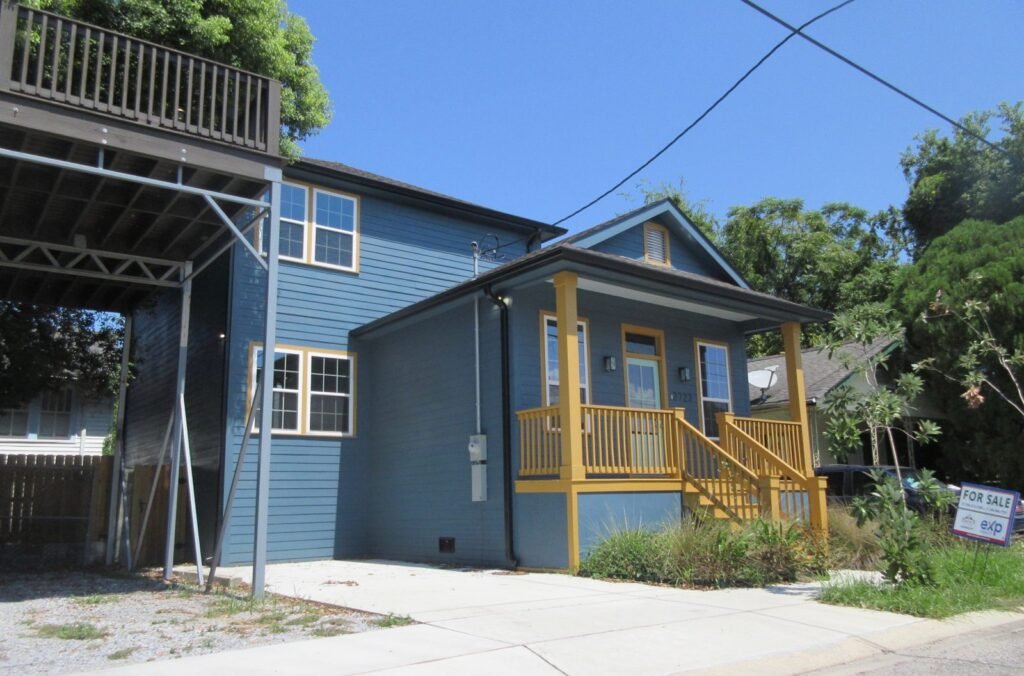
Featured image: New house for sale on Prieur Street, Broadmoor, New Orleans. Photo by Infrogmation of New Orleans, CC BY-SA 4.0, via Wikimedia Commons.

Mai is Candy Bird's go-to writer for everything around the house, from repairs and DIY fixes to smart storage, energy-saving upgrades and buying or selling a home. Her advice is practical, easy to follow and comes with a touch of humor, whether you're a first-time homeowner or a seasoned DIYer.
More from this writer →Five minutes, every weekend. Free.

Practical guides for the place you live: fixing it up, decorating it, keeping it running, and buying, selling or renting it.
© 2026 Candy Bird. All rights reserved.
Candy Bird is ad-supported. Our guides are general information, not professional, legal or financial advice: check with a licensed contractor, agent or lender before big decisions.