Heating oil is the most expensive it has ever been in much of the Northeast, just as the heating season starts. Average prices have hit about $6 a gallon in Massachusetts, Maine and Pennsylvania, and the U.S. Energy Information Administration (EIA) expects oil-heated homes to spend about 21% more this winter than last. If your home runs on an oil furnace or boiler, the best moves right now are to talk to your supplier about pricing plans, apply early for heating assistance if you might qualify, and cut how much oil your house burns with a few cheap fixes.
Here is what is driving the spike, what the forecasts say a winter will cost, and the practical steps that make the biggest difference.
How High Are Heating Oil Prices Right Now?
The numbers from state energy offices are striking:
- Massachusetts: state data shows an average of $6.23 a gallon as of late October, up nearly 73% from a year earlier, WBUR reported. About one in five Massachusetts households heats with oil.
- Maine: the state’s Department of Energy Resources put the average at $6.04 a gallon on Oct. 22, a new record and 83% above last October’s $3.30, according to the Portland Press Herald. That works out to about $750 more to fill a standard 275-gallon tank than last fall.
- Pennsylvania: the average reached $6.048 a gallon in late October, the second-highest price on record in the state, just under the $6.066 record set earlier that month, The Philadelphia Inquirer reported. About 685,000 Pennsylvania households use oil heat, and in some rural counties it is more than 40% of homes.
To make that concrete, one Pottsville, Pennsylvania, homeowner told the Inquirer that filling his 500-gallon tank would have cost about $1,500 in November 2025 and about $2,654 today.
Why prices jumped
Energy experts quoted in both reports point to global oil supply disruptions, chiefly the war with Iran and tighter oil shipments through the Strait of Hormuz, along with the Russia-Ukraine war and damage to refining capacity. Heating oil is a distillate, like diesel, so it tends to move with those markets. Mark Wolfe of the National Energy Assistance Directors Association told WBUR that even if the conflicts ended soon, it could still take months for prices to come down meaningfully.
What Will Heating Cost This Winter?
The EIA’s 2026-27 Winter Fuels Outlook forecasts average spending from November through March for homes that use each fuel as their main heat source:
| Main heating fuel | Share of U.S. homes | Forecast winter spending | Change vs. last winter |
|---|
| Heating oil | About 3% | $2,115 | Up 21% |
| Propane | About 5% | $1,246 | Down 3% |
| Electricity | More than 40% | $1,196 | Up 4% |
| Natural gas | About 45% | $640 | Down 9% |
The EIA expects heating oil prices to average 34% more than last winter, but it assumes a milder Northeast winter, which is why it forecasts spending up 21% rather than more. That assumption matters: a colder-than-expected winter means more fill-ups. The agency also cautions that these averages are a broad guide and that switching fuels would not necessarily lower any one household’s bill.
So if you heat with natural gas or propane, this winter may actually be a little cheaper. The pain is concentrated in oil-heated homes, mostly in New England, New York and Pennsylvania.
How to Get Help Paying for Heating Oil
If money is tight, apply for assistance now rather than waiting for a cold snap. Funding is first come, first served in many places, and Wolfe warned that because oil is so expensive, states may run through their money faster than usual. Congress has not yet passed a full-year budget, so the federal program is being funded at last winter’s level for now.
- LIHEAP: the federal Low Income Home Energy Assistance Program is run through states, tribes and local agencies. The free National Energy Assistance Referral line at 1-866-674-6327 can tell you where to apply, or you can use the LIHEAP Clearinghouse search tool.
- Massachusetts: the state added $15 million to its Home Energy Assistance Program and created a new $34 million benefit aimed at about 50,000 middle-income oil-heated households that would not normally qualify, according to WBUR. First-time HEAP applications are running 53% ahead of last year.
- Connecticut: Gov. Ned Lamont released $12.7 million in state aid for home heating assistance in October.
- Maine: MaineHousing sent early HEAP payments to fuel dealers for some approved households using leftover federal funds.
Even if you think you earn a little too much, check the current income limits. Several states have widened eligibility this year.
Smart Ways to Buy Heating Oil This Winter
Nobody can tell you for sure whether prices will be higher or lower next month, so focus on what you control:
- Call your dealer about plans. Many suppliers offer budget plans that spread payments over the year, and some offer fixed or capped pricing. Ask what each costs, whether there are fees, and what happens if market prices fall below your locked price.
- Compare prices. Several Northeast states publish weekly price surveys, and prices can vary between full-service dealers and cash-on-delivery companies in the same area.
- Do not let the tank run dry. Running out can leave you without heat on the coldest night and may require a service call to get the burner going again. Keep an eye on the gauge and order before it gets low.
- Be careful with small top-ups. The Inquirer found people buying a few gallons at a time at gas stations to get through cold spells. If you ever do that, use approved fuel containers and follow your heating company’s advice on what can go in your tank.
7 Ways to Burn Less Oil Without Freezing
The cheapest gallon is the one you never buy. These tips come from U.S. Department of Energy guidance, and most cost little or nothing.
1. Turn the thermostat down at night and when you’re out
The DOE’s Energy Saver guide says turning your thermostat down 7 to 10 degrees for 8 hours a day can save as much as 10% a year on heating and cooling. A programmable or smart thermostat does it automatically. (If you also have a heat pump, the DOE advises against deep setbacks unless your thermostat is designed for heat pumps.)
2. Seal air leaks
According to the same guide, sealing air leaks can cut heating and cooling bills by 10% to 20%. Caulk and weatherstrip around windows and doors, seal gaps where pipes and wires enter, and add an insulated cover over attic stairs or hatches. On a windy day, hold a lit incense stick near windows and outlets; if the smoke wavers, you have found a leak.
3. Get your oil burner cleaned and tuned
Oil systems build up soot that hurts efficiency. Natural Resources Canada’s guide to heating with oil recommends a professional cleaning and tune-up at least once a year, ideally before the season, and notes that a proper job usually takes at least an hour and a half. If your system feels sluggish, our guide to troubleshooting inefficient HVAC systems covers the warning signs.
4. Change filters and clear the vents
The DOE recommends cleaning or replacing forced-air furnace filters about once a month or as the manufacturer suggests, and keeping registers, baseboards and radiators clear of furniture, rugs and drapes.
5. Bleed your radiators
If you have a hot-water system, bleeding trapped air once or twice a season helps radiators heat evenly. Call a pro if you’re unsure how.
6. Use the sun and your curtains
Open curtains on south-facing windows during the day to let sunlight in, then close them at night to hold the heat.
7. Use space heaters carefully
Heating only the room you’re in can make sense, but plug space heaters directly into a wall outlet, keep them at least 3 feet from anything that can burn, and never leave them running unattended. Check that yours isn’t part of a recall, such as the recent DREO space heater recall.
For bigger, longer-term upgrades like insulation and more efficient equipment, see our guide to maximizing comfort and savings with energy-efficient homes.
FAQ
Why is heating oil so expensive in 2026?
Global oil supply disruptions, mainly the war with Iran and restricted shipments through the Strait of Hormuz, plus the Russia-Ukraine war and damaged refining capacity, have pushed distillate fuels like heating oil and diesel to record highs.
How much will it cost to heat an oil home this winter?
The EIA forecasts an average of about $2,115 from November through March, up 21% from last winter. Your bill depends on your home’s size, insulation, the weather and the price you pay per gallon.
Who qualifies for heating assistance?
Rules vary by state, but LIHEAP generally helps lower-income households, and some states, including Massachusetts, have added programs for middle-income oil users this year. Call 1-866-674-6327 to find your local agency.
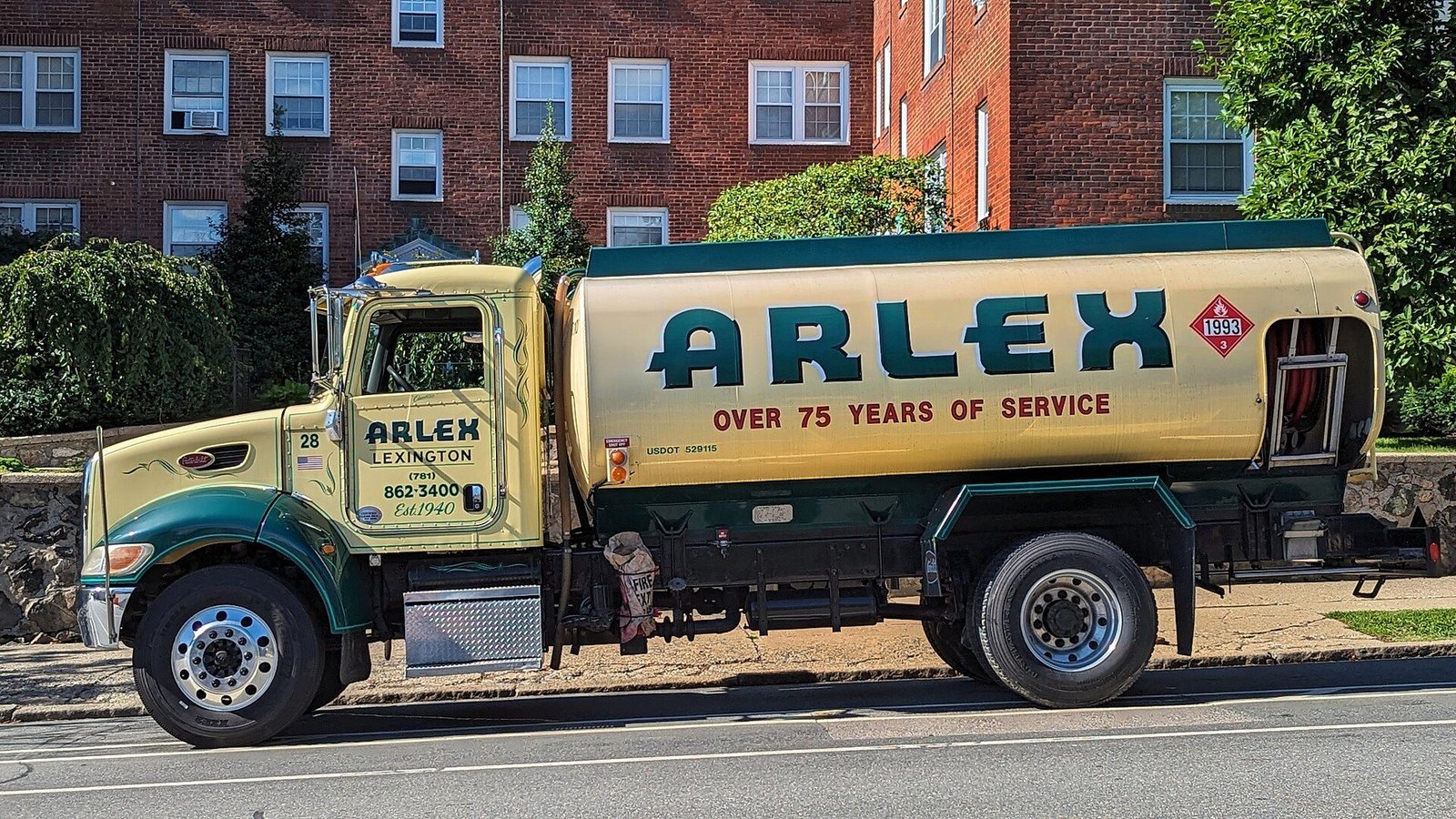
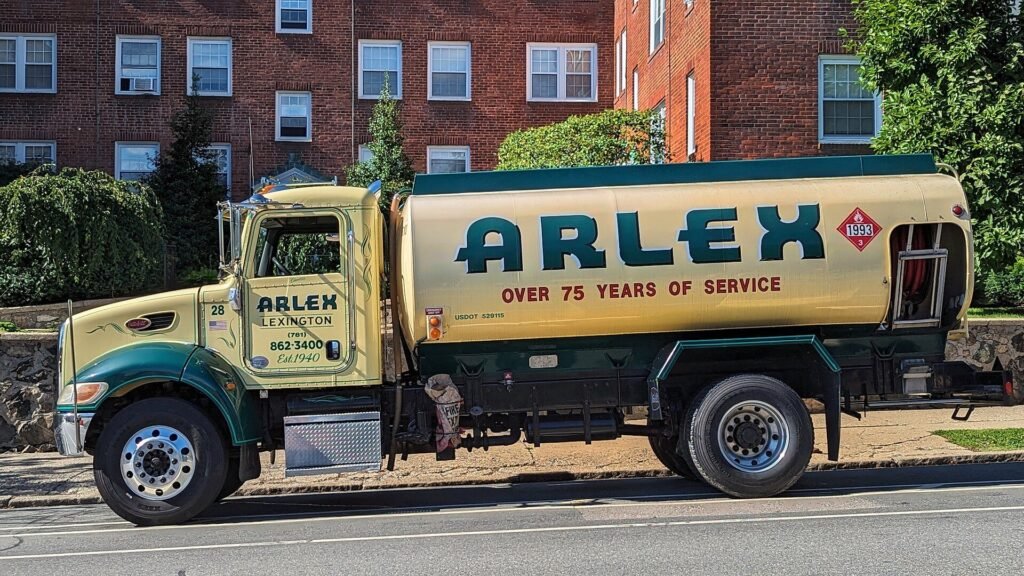
Featured photo: a heating oil delivery truck in Arlington, Massachusetts. Photo by Daderot, CC0, via Wikimedia Commons.