Mortgage rates fell for a third straight week to 7.18% (Freddie Mac, Nov. 5, 2026). Here’s why, what it means for your payment, and whether to buy, wait or refinance.
Tuesday, November 10, 2026
Home improvement · Real estate · Life around the house

Home improvement · Real estate · Life around the house
Mortgage rates fell for a third straight week to 7.18% (Freddie Mac, Nov. 5, 2026). Here’s why, what it means for your payment, and whether to buy, wait or refinance.
 Mai
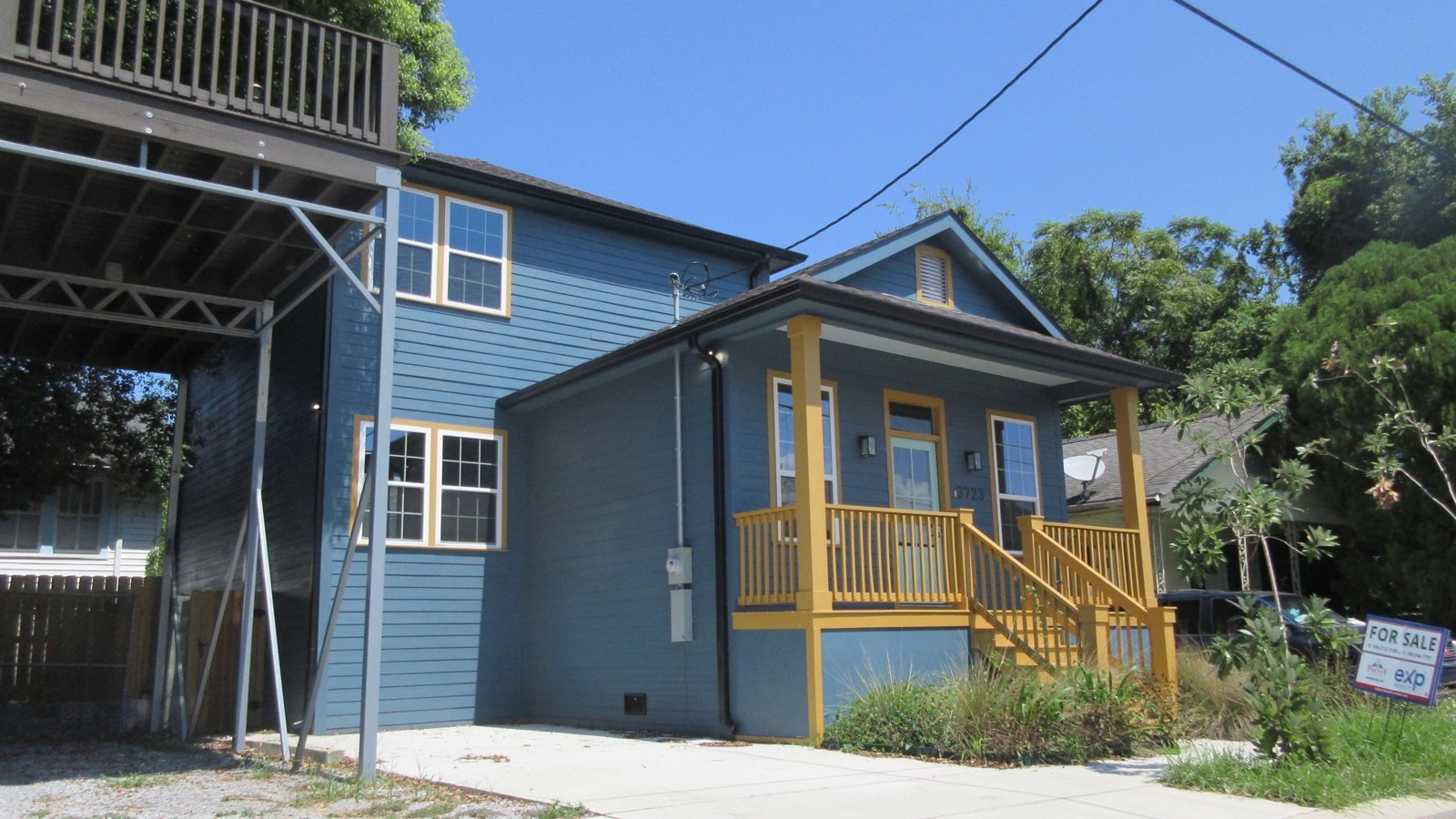
Table of Contents
ToggleMortgage rates have dropped for three weeks in a row. Freddie Mac’s weekly survey put the average 30-year fixed rate at 7.18% as of Nov. 5, 2026, down from 7.24% the week before and from a peak of about 7.4% in mid-October. That’s real relief, but rates are still about a full point higher than a year ago, and most experts don’t expect a big drop soon. Here’s what changed, what it means for your monthly payment, and how to think about buying, waiting or refinancing right now.
According to Freddie Mac’s Primary Mortgage Market Survey, the 30-year fixed-rate mortgage averaged 7.18% for the week ending Nov. 5, while the 15-year fixed averaged 6.57%, down from 6.60%. A year earlier, those rates were 6.22% and 5.50%. Freddie Mac publishes the survey every Thursday at noon Eastern, so the next reading lands on Nov. 12.
Daily lender rate sheets tell a similar story. A Nadlan Group Research review had the average 30-year fixed at 7.18% heading into Nov. 10, the second-lowest reading since mid-September, with FHA loans at 6.82% and VA loans at 6.83%.
Mortgage rates follow the 10-year Treasury yield more than anything the Federal Reserve announces directly. As Marketplace reported on Nov. 9, rates sat between about 6% and 6.5% for much of 2025 and early 2026, then climbed over the summer as the war in the Middle East pushed up oil prices and inflation, and the Fed began raising rates. Since the midterm elections, investors have been betting that the conflict with Iran will wind down, oil prices will ease, and the Fed will make one more hike and then pause. That shift pulled long-term yields, and mortgage rates, down by more than 20 basis points from the October high.
The forecasts are cautious. In the same Marketplace report, Guy Cecala of Inside Mortgage Finance predicted rates will bounce between roughly 7% and 7.25% over the next month or two, and Redfin chief economist Daryl Fairweather said she didn’t think buyers or sellers should wait for rates to come down. Morningstar notes that markets expect a quarter-point Fed hike in December, citing the CME FedWatch tool, and that Goldman Sachs strategists see the 30-year rate falling to about 6.4% only by the end of 2027.
The next short-term test is the October consumer price index, scheduled for release on Nov. 10. A cooler-than-expected inflation reading could help rates keep drifting lower; a hot one could push lenders to reprice higher within hours.
Small moves in the rate add up over 30 years. Here’s an illustration we calculated for a $320,000 loan (principal and interest only, before taxes, insurance and any HOA dues):
So the recent dip saves roughly $48 a month on that loan compared with October, while the gap to last year’s rates is still about $200 a month. Your own rate will depend on your credit score, down payment, loan type and the points you pay, so use these figures only as a rough guide and compare official Loan Estimates from at least two or three lenders.
There’s no single right answer, and nobody can reliably time rates. As Wharton real estate professor Susan Wachter told Marketplace, forecasting the 10-year yield, and therefore mortgage rates, is close to impossible. A few things are worth weighing:
If you’ve found a home you love and the payment fits your budget at today’s rate, waiting for a lower rate is a gamble. If the numbers only work at 6%, it may make more sense to keep saving and stay ready. Our tips for first-time homebuyers walk through the basics of getting pre-approved and budgeting for closing costs.
More buyers are trying ARMs to lower their starting payment. Mortgage Bankers Association data cited by Morningstar shows ARMs made up 11.4% of applications in the week ending Nov. 4, up from 7.9% three months earlier. An ARM can make sense if you expect to sell or refinance within a few years, but if rates don’t fall, your payment can rise when the fixed period ends. Read the adjustment caps carefully before you sign.
For most current homeowners, probably not. A Realtor.com figure cited in a new Splitero homeowner survey found 78% of outstanding mortgages had rates below 6% in early 2026. Refinancing only pays off if your new rate is meaningfully lower than your current one and you stay in the home long enough to recover closing costs. People who bought or refinanced near the October peak are the main group who might benefit if rates keep sliding.
High rates are keeping many owners in place. In Splitero’s survey of 2,713 homeowners, conducted Sept. 16 to 23, 37% said they’re staying put to avoid a higher mortgage rate, rising to 46% of those with a mortgage. Staying has costs too: 32% of rate-locked owners said they had delayed necessary maintenance in the past year, and only 39% of all respondents said they could cover an urgent $5,000 repair with cash.
If you’re staying put, it pays to plan for upkeep instead of reacting to emergencies:
Freddie Mac’s latest weekly average is 7.18% for the 30-year fixed and 6.57% for the 15-year fixed, as of Nov. 5, 2026. Your actual offer will vary by lender, credit and down payment.
Nobody knows for sure. Experts quoted by Marketplace expect rates to hover between about 7% and 7.25% in the near term, and markets are pricing in another Fed hike in December, which makes a sharp drop unlikely.
Every Thursday at 12 p.m. Eastern. The survey averages applications from the previous Thursday through Wednesday.
It depends on your budget and plans more than on the rate forecast. If the monthly payment works for you at today’s rate and you plan to stay several years, waiting for lower rates carries its own risk. This article is general information, not financial advice; talk to a lender or housing counselor about your situation.
Featured image: “Prieur Street, Broadmoor, New Orleans – New house for sale, Sept 2023” by Infrogmation of New Orleans, via Wikimedia Commons, licensed under CC BY-SA 4.0, cropped.

Mai is Candy Bird's go-to writer for everything around the house, from repairs and DIY fixes to smart storage, energy-saving upgrades and buying or selling a home. Her advice is practical, easy to follow and comes with a touch of humor, whether you're a first-time homeowner or a seasoned DIYer.
More from this writer →
Five minutes, every weekend. Free.

Practical guides for the place you live: fixing it up, decorating it, keeping it running, and buying, selling or renting it.
© 2026 Candy Bird. All rights reserved.
Candy Bird is ad-supported. Our guides are general information, not professional, legal or financial advice: check with a licensed contractor, agent or lender before big decisions.