The UK government is moving to end leasehold in England and Wales. The Commonhold and Leasehold Reform Bill, introduced in Parliament on Thursday, November 19, 2026, would cap ground rent at £250 a year from 2028, make commonhold the standard for most new flats, let existing blocks switch to commonhold with 50% support instead of 100%, and stop leaseholders from losing their homes over small unpaid bills. None of it is law yet: the bill still has to pass both Houses of Parliament and receive Royal Assent.
Here’s what the bill does, who it affects and what leaseholders can do while it works its way through Parliament.
What is leasehold, and why is it being scrapped?
When you buy a leasehold home, you buy the right to live in it for a fixed number of years. The freeholder keeps ultimate ownership of the building and the land, and leaseholders typically pay ground rent and service charges and may need permission for things like keeping a pet or replacing a front door. Most flats in England are sold this way, the BBC reports.
The government estimates there are about 5.1 million leasehold homes across England and Wales: roughly 4.9 million in England (2.72 million owner-occupied, 1.91 million privately rented and 269,000 social rented) and 235,000 in Wales, according to the Ministry of Housing, Communities and Local Government. Housing minister Matthew Pennycook said the system “denies individuals control over the homes they live in, and have paid for, and routinely subjects them to excessive extraction.”
Commonhold works differently. Each owner owns their flat outright, with no end date, and the owners jointly own and run the building’s shared parts. The BBC notes that systems based on shared ownership and collective management are already standard in places like Australia, New Zealand, the US and Canada. If you’ve ever looked at townhomes or condos run by a homeowners association, the idea will feel familiar.
What the Commonhold and Leasehold Reform Bill would change
According to the government’s announcement, the main measures are:
- A £250 ground rent cap from 2028. The government says this cuts bills for up to one million leaseholders, and ground rents would fall to zero after 40 years.
- An end to forfeiture over small debts. Outdated powers that can put a leaseholder’s home at risk over relatively small unpaid bills, such as a disputed service charge, would be replaced with a court-led process.
- Caps on admin and permission fees. Ministers would get powers to cap excessive charges, like fees for asking permission to keep a pet or replace a front door.
- Commonhold as the default for new flats. Leasehold would be banned for most new flats and homes, with narrow exceptions such as shared ownership.
- An easier switch for existing blocks. The threshold to convert a building to commonhold would drop from 100% of neighbors agreeing to 50%. Owners who don’t agree could stay on modified leases until they sell.
- Protection on “fleecehold” estates. Up to 1.75 million freehold homes on estates with private management companies would be protected from threats to take over a home over unpaid estate charges.
- Cheaper lease extensions and freehold purchases. The bill fixes parts of the Leasehold and Freehold Reform Act 2024 so that 990-year lease extensions can go ahead, leaseholders stop paying their landlord’s costs in most cases, and “marriage value” is scrapped for leases with 80 years or less left.
- Faster broadband requests. Landlords would have to respond to leaseholders’ requests for a gigabit connection within set timeframes.
When will the changes take effect?
Not all at once. The ground rent cap is expected to be one of the first measures in force, but it won’t be immediate. The Guardian reports that MPs on the housing select committee pushed for the cap to start as soon as next year, but Pennycook said that wasn’t possible because of the “technical process” of enforcing it. The 2028 date won’t be written into the bill itself; ministers plan to bring it in through secondary legislation.
The ban on new leasehold flats will take longer. Pennycook has previously said he expects it to come into force after the next election, according to The Guardian. Other leaseholder demands, including an independent regulator for property managing agents and changes to how lease extension prices are calculated, would come in a second law later in this Parliament.
Changes already scheduled under the 2024 Act
Separately, the government has set dates for more of the Leasehold and Freehold Reform Act 2024 to take effect:
- April 1, 2027: stronger service charge rights, with more information about what leaseholders pay for, plus fairer rules so leaseholders aren’t automatically on the hook for landlord litigation costs.
- November 1, 2027: standardized service charge bills, annual reports and accounts from private landlords, clearer administration charges, and more transparent building insurance, with percentage-based commissions replaced by transparent payments.
- November 1, 2028: standardized service charge bills extended to social housing leaseholders.
Who’s pushing back
Not everyone welcomes the bill. A spokesperson for the Residential Freehold Association, which represents the UK’s largest freeholders, told the BBC that “£18.7bn could be wiped out from investments overnight.” Freeholders argue the policy is unjust and will hurt investment markets.
Campaigners are broadly supportive but worry about existing owners. Giles Grover of End Our Cladding Scandal told the BBC there’s a risk of a two-tier system between buyers of new commonhold homes and people who already own leasehold flats. How existing blocks convert, and how freeholders are compensated, is still unresolved. Pennycook himself told The Guardian that “we will get challenges to this piece of legislation as well, almost certainly.”
What leaseholders can do now
Because the bill isn’t law yet, your current lease terms still apply. A few practical steps while it goes through Parliament:
- Read your lease. Note your ground rent, how and when it rises, and how many years are left. Leases with 80 years or less remaining are the ones most affected by the planned end of marriage value.
- Keep paying ground rent and service charges, and dispute in writing. Forfeiture protections aren’t in force yet, so don’t withhold payment over a disagreement without advice.
- Use the rights you already have. Since January 31, 2025, you no longer need to have owned your flat for two years before extending the lease or buying the freehold, and the Right to Manage became easier and cheaper from March 3, 2025.
- Think before rushing a lease extension. If your lease is long and your situation isn’t urgent, it may be worth getting professional advice on whether to wait for the promised cheaper valuation rules. If you’re selling or remortgaging soon, waiting may not be practical.
- Talk to your neighbors. If the 50% conversion threshold becomes law, organized blocks will be best placed to move to commonhold or take over management.
- Get free guidance. The Leasehold Advisory Service (LEASE) says it is developing practical guidance on how the new commonhold model will work.
Buying a flat in England or Wales right now? Ask the seller for the ground rent terms, service charge history and the years left on the lease before you commit. These checks belong on any first-time homebuyer’s checklist. Landlords who rent out leasehold flats should also factor the coming service charge rules into their property management planning.
This article explains a proposed law and isn’t legal or financial advice. For your own lease, speak to a solicitor or the Leasehold Advisory Service.
FAQ
Is leasehold being abolished in the UK?
The bill covers England and Wales only. Property law is devolved in Scotland and Northern Ireland. It would ban leasehold for most new flats and homes and make it easier for existing leaseholders to convert, but existing leases won’t vanish overnight.
When does the £250 ground rent cap start?
The government says 2028. It will be brought in through secondary legislation after the bill passes, so the exact start date hasn’t been set.
What is commonhold?
Commonhold lets you own your flat outright, forever, with no ground rent and no third-party landlord. Owners jointly own and manage the building’s common parts.
Will my ground rent go down to zero?
Under the bill, ground rents capped at £250 would fall to zero after 40 years, the government says.
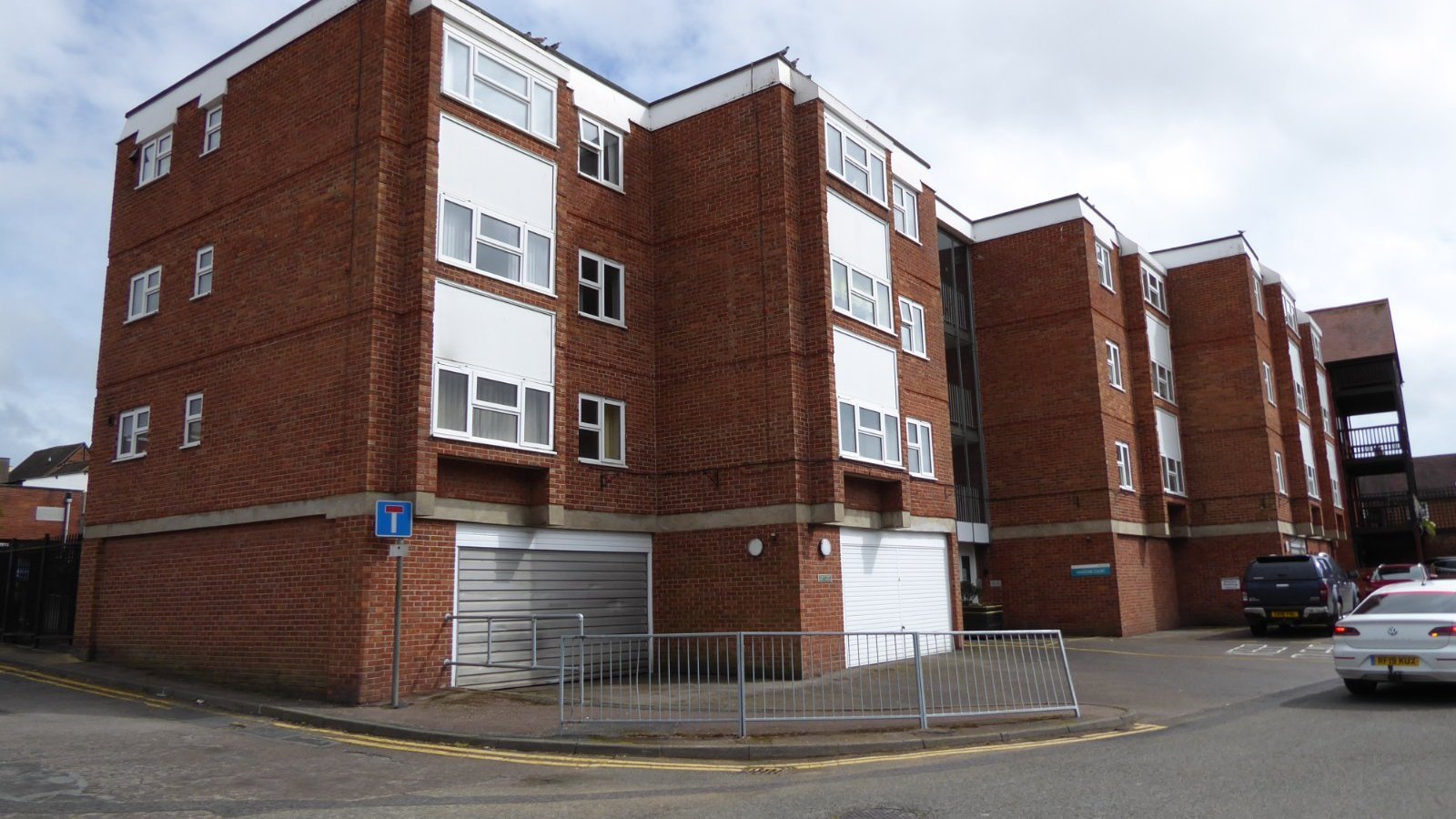
Featured image: “Block of flats” by Philip Halling, via Wikimedia Commons (geograph.org.uk), licensed under CC BY-SA 2.0. Cropped.