Thanksgiving is the peak day for U.S. home cooking fires, with 1,139 reported in 2024, per the NFPA. Here are the latest numbers, 8 prevention steps, what to do in a grease or oven fire, and turkey fryer safety rules.
November 18, 2026
Home improvement · Real estate · Life around the house

Thanksgiving is the peak day for U.S. home cooking fires, with 1,139 reported in 2024, per the NFPA. Here are the latest numbers, 8 prevention steps, what to do in a grease or oven fire, and turkey fryer safety rules.
 Mai
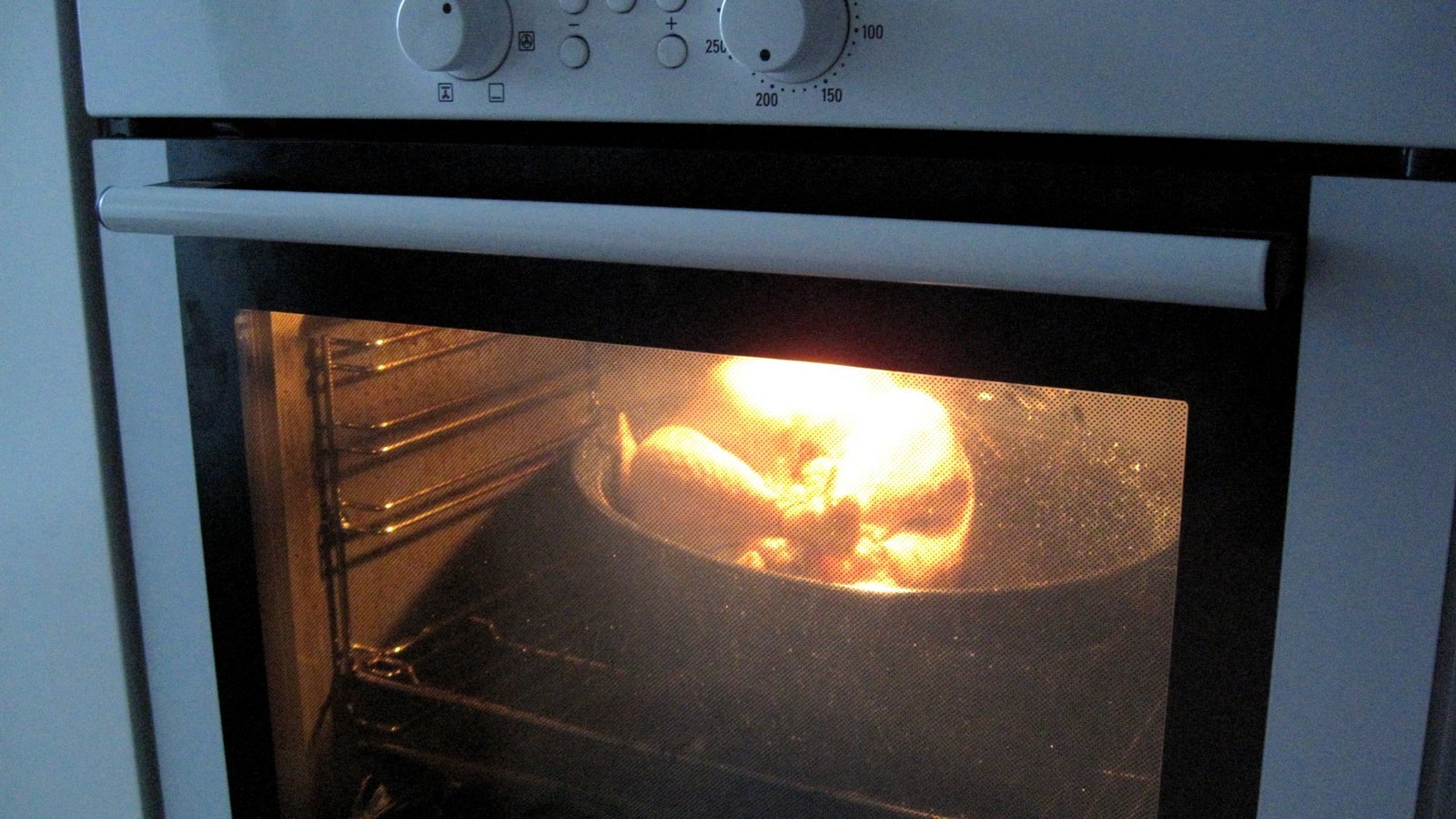
Table of Contents
ToggleThanksgiving is the single worst day of the year for home cooking fires in the U.S. The National Fire Protection Association (NFPA) estimates that 1,139 home cooking fires were reported on Thanksgiving Day 2024, a 321% jump over the daily average. Most of them come down to one thing: food left cooking while no one is watching. With Thanksgiving falling on Thursday, November 26 this year, here’s what the latest numbers show and the simple steps that prevent a kitchen fire, plus what to do if a pan, oven or turkey fryer catches fire.
The NFPA released its annual Thanksgiving warning on November 12, 2026, and the pattern hasn’t changed. According to the NFPA:
The Consumer Product Safety Commission puts the Thanksgiving average even higher, at about 1,400 cooking fires, or more than three times a normal day, in its holiday cooking safety release. The two agencies use different data sets, but both reach the same conclusion: the risk spikes when kitchens are crowded and cooks are juggling several dishes at once.
Timing matters too. An older U.S. Fire Administration data snapshot (covering 2017 to 2019) found that 54% of Thanksgiving Day residential fires started between 10 a.m. and 5 p.m., when most people are prepping the big meal, instead of the usual 5 to 8 p.m. dinner peak. The good news from that same report: about three in four Thanksgiving fires stayed confined to the object where they started, such as the pan or oven, which is why a quick, correct response makes such a difference.
These steps come from the NFPA, the CPSC and the American Red Cross. None of them cost much, and most take seconds.
If you’re planning a kitchen upgrade after the holidays, it’s worth knowing how induction and gas cooktops compare, since induction has no open flame.
Never pour water on a grease fire. It can make burning oil splatter and spread. The NFPA’s advice is to slide a lid over the pan to smother the flames, then turn off the burner. Leave the lid on, because the fire can reignite if oxygen gets back in, and let the pan cool for a long time. Don’t try to carry a burning pan outside or to the sink.
Turn off the heat and keep the oven door closed. Open it only when you’re sure the fire is completely out, and stand to the side when you do. If you have any doubt, call the fire department.
If the fire is spreading or you can’t control it quickly, get everyone outside, close the door behind you if you can and call 911 from a safe spot. A pan or a roast can be replaced; people can’t.
The NFPA strongly discourages oil-filled turkey fryers because they use large amounts of very hot oil that can cause devastating burns. It suggests an oil-free infrared fryer, an electric turkey fryer or an air fryer instead, or buying a fried turkey from a grocery store or restaurant. If you use an air fryer or air fryer oven for side dishes, check that yours isn’t part of a recent recall such as the Gourmia air fryer oven recall.
If you still plan to deep-fry, the CPSC’s COOK checklist is a good starting point:
The Red Cross adds two more rules: set the fryer on a flat, stable surface, and make sure the turkey is completely thawed before it goes in. A frozen or wet bird can make hot oil boil over. And never leave a fryer unattended, even for a minute.
A kitchen fire can also mean an insurance claim, so it helps to understand what drives home insurance costs before you ever need to file one. And since Christmas Eve and Christmas Day are the next two peak days for cooking fires, the same habits apply through the season, along with keeping your tree watered and away from heat if you’re shopping for a Christmas tree this year.
Thanksgiving. The NFPA says it’s the leading day of the year for U.S. home cooking fires, with Christmas Day and Christmas Eve in second and third place.
No water. The NFPA, CPSC and fire officials all recommend smothering a small grease fire with a lid and turning off the heat. If the fire doesn’t go out right away, leave and call 911.
The NFPA considers oil-filled turkey fryers unsafe and strongly discourages them. Oil-free infrared fryers, electric fryers and air fryers are its suggested alternatives.
Thanksgiving falls on Thursday, November 26, 2026.
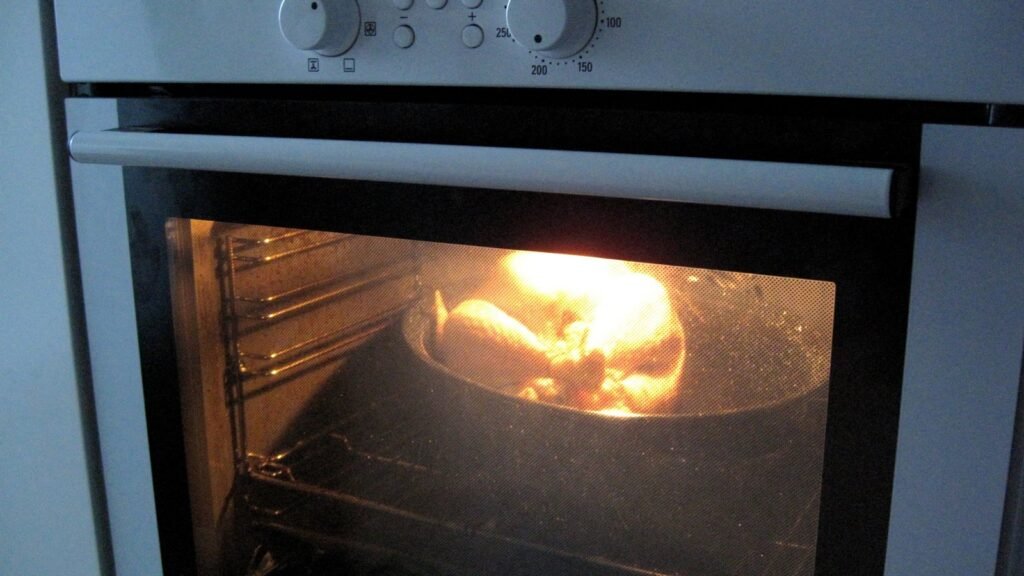
Featured image: “Turkey in the Oven” by cogdogblog, via Wikimedia Commons, released under CC0 1.0. Cropped.

Mai is Candy Bird's go-to writer for everything around the house, from repairs and DIY fixes to smart storage, energy-saving upgrades and buying or selling a home. Her advice is practical, easy to follow and comes with a touch of humor, whether you're a first-time homeowner or a seasoned DIYer.
More from this writer →Five minutes, every weekend. Free.

Practical guides for the place you live: fixing it up, decorating it, keeping it running, and buying, selling or renting it.
© 2026 Candy Bird. All rights reserved.
Candy Bird is ad-supported. Our guides are general information, not professional, legal or financial advice: check with a licensed contractor, agent or lender before big decisions.