Friday, November 20, 2026

Home improvement · Real estate · Life around the house

How AI is Challenging Intellectual Property Rights

How AI is challenging intellectual property law, from copyright for AI-generated content to patents, trademarks and trade secrets.
Introduction

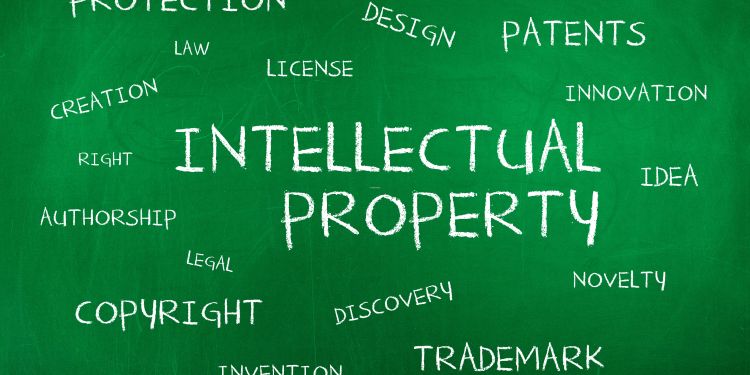
Artificial intelligence (AI) is transforming industries at an unprecedented pace, automating complex tasks and enhancing creativity. However, this rapid development has raised significant concerns regarding intellectual property rights (IPR). From copyright and patents to trademarks and trade secrets, AI is redefining the legal landscape, leaving many businesses and legal experts questioning how to protect original works in an AI-driven world.

AI-Generated Content and Copyright Issues

One of the biggest challenges AI poses to intellectual property is the ownership of AI-generated content. Traditionally, copyright law protects works created by human authors, but AI-generated art, music, literature, and code blur the lines of ownership. Key concerns include:

  • Authorship and Ownership: Can an AI system be considered an author? If not, does the creator of the AI own the rights, or does the user?
  • Derivative Works: AI can analyze existing copyrighted materials to generate new content. This raises concerns about whether AI outputs infringe on existing copyrights.
  • Fair Use vs. Infringement: AI models, particularly generative AI, are trained on vast datasets, often scraped from copyrighted sources. The question remains whether such training falls under fair use or constitutes a copyright violation.

Patent Challenges in the Age of AI

Patents are designed to protect novel inventions, but AI is challenging traditional patent systems in multiple ways:

  • AI as an Inventor: Some AI systems are capable of creating new inventions. Courts and patent offices worldwide are debating whether AI-generated innovations should be patentable and, if so, who should be credited as the inventor.
  • Prior Art and Non-Obviousness: AI can rapidly analyze existing patents and generate new concepts. Determining whether AI-assisted inventions meet the “non-obviousness” requirement is a growing concern.
  • Patent Infringement Detection: AI is also being used to detect patent violations, making the enforcement of patent rights more efficient yet complex.

Trademarks and AI-Driven Branding

AI is increasingly being used to generate brand names, logos, and slogans, which raises issues in trademark law:

  • Uniqueness and Distinctiveness: AI-generated trademarks must meet distinctiveness requirements, but if AI generates similar marks for multiple businesses, legal disputes may arise.
  • AI and Counterfeit Detection: AI is helping businesses identify counterfeit goods and trademark infringements, yet counterfeiters are also using AI to mimic genuine brands more effectively.
  • Automated Branding and Human Oversight: With AI-driven branding, there is a need to establish clearer guidelines on human oversight to ensure compliance with trademark laws.

Trade Secrets and AI’s Role in Data Processing

Trade secrets involve confidential business information that provides a competitive advantage. AI challenges trade secret protection in several ways:

  • AI-Powered Reverse Engineering: AI can analyze and replicate proprietary algorithms, making trade secrets more vulnerable.
  • Data Privacy and Security: AI relies on vast amounts of data, which may include trade secrets. Protecting sensitive information from unauthorized AI access is crucial.
  • Ownership of AI-Developed Insights: If AI uncovers new insights based on proprietary data, determining ownership can be legally complex.

Potential Solutions and Future Outlook

As AI continues to disrupt intellectual property laws, possible solutions include:

  • Updating Legal Frameworks: Governments and international organizations must revise IP laws to address AI-generated content and inventions.
  • AI Transparency and Attribution: Ensuring transparency in AI-generated content, such as digital watermarks or AI attribution, can help establish authorship.
  • Ethical AI Development: Companies should adopt responsible AI practices, ensuring that AI tools respect intellectual property rights.

Conclusion

AI is undoubtedly reshaping the intellectual property landscape, challenging traditional notions of ownership, authorship, and innovation. As businesses and legal professionals navigate these changes, adapting IP laws to address AI-related complexities will be crucial for maintaining fair and balanced intellectual property protection in the digital era.

Mai

Written by

Mai is Candy Bird's go-to writer for everything around the house, from repairs and DIY fixes to smart storage, energy-saving upgrades and buying or selling a home. Her advice is practical, easy to follow and comes with a touch of humor, whether you're a first-time homeowner or a seasoned DIYer.

More from this writer →

Around the house

The Weekend Fix

One small project, every Saturday.

Five minutes, every weekend. Free.

The Weekend Fix · free

One small project, every Saturday.

© 2026 Candy Bird. All rights reserved.

Candy Bird is ad-supported. Our guides are general information, not professional, legal or financial advice: check with a licensed contractor, agent or lender before big decisions.