Cornwall Insight forecasts Ofgem’s energy price cap will rise 26% to £2,166 a year from January 2027, ahead of Ofgem’s Nov. 25 announcement. Here’s what changes, the £100 payment and how to prepare.
November 19, 2026
Home improvement · Real estate · Life around the house

Cornwall Insight forecasts Ofgem’s energy price cap will rise 26% to £2,166 a year from January 2027, ahead of Ofgem’s Nov. 25 announcement. Here’s what changes, the £100 payment and how to prepare.
 Mai
Table of Contents
ToggleEnergy bills in Great Britain are forecast to jump again in the new year. Cornwall Insight’s final forecast, published on Wednesday, November 18, 2026, says Ofgem’s energy price cap will rise about 26% to £2,166 a year for a typical dual-fuel household from January 1, 2027. That’s £443 more than the current £1,723 cap, or roughly £37 a month. It’s still a forecast: Ofgem confirms the real figure on Wednesday, November 25.
Here’s what’s behind the rise, how the new rates compare with today’s, what help is on the way and what you can do at home before January.
The price cap limits the unit rates and daily standing charges suppliers can charge households on standard variable (default) tariffs in England, Scotland and Wales. It doesn’t cap your total bill, so what you actually pay depends on how much gas and electricity you use. The £2,166 figure is based on Ofgem’s “typical” home, which uses 2,500 kWh of electricity and 9,500 kWh of gas a year and pays by direct debit.
According to Cornwall Insight’s November 18 release, the increase would take bills to their highest level since 2023. The consultancy’s forecast for the January to March 2027 cap breaks down like this:
| Rate (typical dual-fuel, direct debit) | Current cap (Oct–Dec 2026) | January 2027 forecast |
|---|---|---|
| Electricity unit rate | 26.32p/kWh | 32.54p/kWh |
| Electricity standing charge | 54.83p/day | about 56p/day |
| Gas unit rate | 7.97p/kWh | 10.90p/kWh |
| Gas standing charge | 29.68p/day | about 31p/day |
| Typical yearly electricity cost | £858.13 | £1,017.09 |
| Typical yearly gas cost | £865.48 | £1,148.80 |
| Typical yearly total | £1,723 | £2,166 |
Current-rate figures are from Ofgem’s October cap as summarized by Selectra; forecast figures are Cornwall Insight’s. Notice where the damage is: standing charges barely move, while unit rates jump about 24% for electricity and about 37% for gas. That means households that use more energy, especially gas for heating, will feel the rise most.
The short answer is wholesale gas. Cornwall Insight says the rise reflects “high and volatile wholesale market prices, particularly for gas,” with the conflict in the Middle East disrupting gas exports and leaving European gas storage at record lows heading into winter. The forecast is well above the consultancy’s late-September prediction of a 16% rise to £1,999, The Guardian reports, because gas prices climbed through October.
It follows a smaller increase this autumn. Ofgem raised the cap by 4% to £1,723 from October 1, and at the time said most of that rise came from gas, with electricity kept broadly stable by the government’s removal of VAT from household electricity bills, according to Ofgem’s August announcement. The same pressure is hitting homes in other countries too: in the U.S., households that heat with oil face some of the steepest winter increases, as we covered in our look at record heating oil prices this winter.
Announced in the Autumn Budget, this one-off £100 payment goes to households in council tax bands A to D in England from January 2027. According to GOV.UK, if you pay council tax by direct debit and live in an eligible home, you don’t need to do anything: the money goes straight into your bank account. If you don’t pay by direct debit, your council will invite you to apply. Second homes and empty properties don’t qualify. Scotland, Wales and Northern Ireland get extra funding and will decide on their own support. The government also warns that only your council should contact you about the payment, so treat texts or emails asking you to “claim your £100” with suspicion.
About six million means-tested households in England, Scotland and Wales get £150 off winter bills through the Warm Home Discount. The government has also set aside £100 million for councils to help struggling households that miss out on the £100 payment; check your council’s website for details once local schemes open.
VAT has been removed from household electricity bills, and Cornwall Insight notes the cut has been extended to July 2027. It’s already built into the £2,166 forecast, so it isn’t extra money on top.
If you’re already struggling to pay, contact your supplier early. Ofgem says suppliers should help customers agree affordable repayment plans and point them to financial support.
This article explains a forecast and published government schemes. It isn’t financial advice; check the confirmed cap on November 25 and your own tariff before you switch.
Ofgem confirms the January to March 2027 cap on Wednesday, November 25, 2026. The new rates apply from January 1, 2027.
For a typical dual-fuel home paying by direct debit, Cornwall Insight forecasts an increase of £443 a year, from £1,723 to £2,166. Your own change depends on how much gas and electricity you use, because the cap limits rates, not total bills.
Cornwall Insight’s early forecast points to a small fall in April, but it says the figure is likely to change several times before Ofgem announces that cap in February.
Not if you live in England in council tax bands A to D and pay council tax by direct debit; it’s paid automatically from January 2027. Otherwise your council will invite you to apply.
The government has asked Ofgem to remove standing charges from household gas bills as early as 2027. The timing isn’t confirmed, and the costs will move into the unit rate rather than disappear.
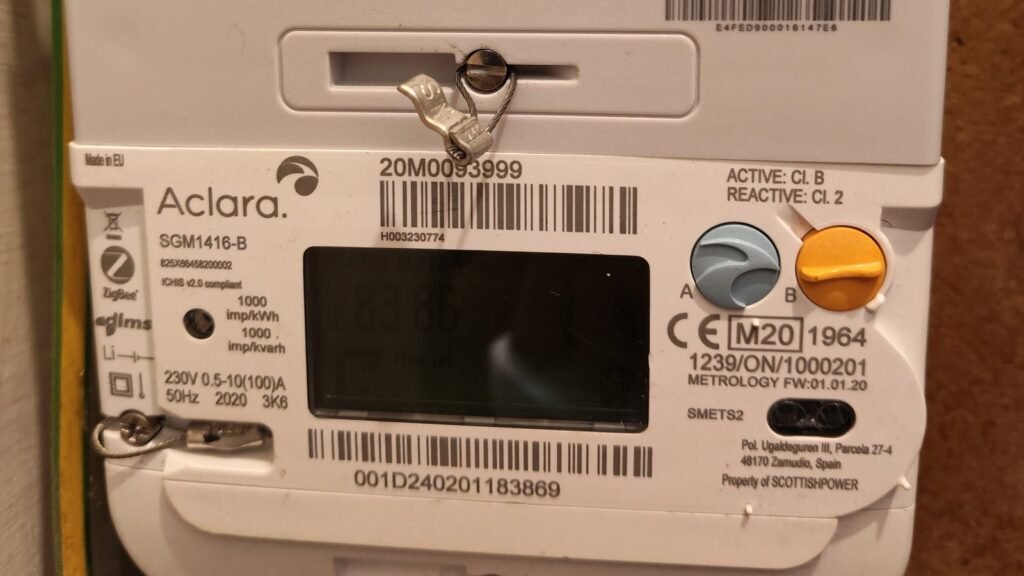
Featured image: “Smart prepayment meter” by SpicyPhoto, via Wikimedia Commons, released under CC0 1.0. Cropped.

Mai is Candy Bird's go-to writer for everything around the house, from repairs and DIY fixes to smart storage, energy-saving upgrades and buying or selling a home. Her advice is practical, easy to follow and comes with a touch of humor, whether you're a first-time homeowner or a seasoned DIYer.
More from this writer →
Five minutes, every weekend. Free.

Practical guides for the place you live: fixing it up, decorating it, keeping it running, and buying, selling or renting it.
© 2026 Candy Bird. All rights reserved.
Candy Bird is ad-supported. Our guides are general information, not professional, legal or financial advice: check with a licensed contractor, agent or lender before big decisions.