Energy bills in Great Britain are going up again on January 1, and the government’s £100 Household Energy Payment is meant to soften the blow. On November 25, 2026, Ofgem confirmed the price cap will rise 26%, taking a typical dual-fuel bill paid by direct debit from £1,723 to £2,166 a year. A day earlier, the government published guidance on how the £100 will reach households.
The short answer: if you live in England in a council tax band A to D home that is your main residence on January 4, 2027, you should get £100. If you pay council tax by direct debit, councils will start paying it straight into your bank account from January 4, and you don’t need to do anything. Everyone else will be contacted by their council. Here’s who qualifies, how it’s paid and how to prepare your home for the higher prices.
Who gets the £100 Household Energy Payment?
According to the GOV.UK factsheet for households, you’re eligible if you live in a property in council tax bands A to D as your sole or main residence on January 4, 2027. The government says that covers almost 20 million households, about 80% of homes in England. You can look up your band on the GOV.UK council tax band checker, and it’s also printed on your council tax bill.
There is one £100 payment per household. If two or more people are jointly liable for council tax, the money goes to one of them, and the household decides how to share it.
If you don’t pay council tax
You can still qualify if your home is in bands A to D and you don’t pay council tax because:
- you get a 100% discount through your council’s local council tax support scheme
- everyone living there is a student
- everyone living there has been assessed as having a severe mental impairment
- everyone living there is under 18
- the home is an annexe occupied by a dependent relative
Homes placed in a lower band because of a Disabled Band Reduction also qualify. The BBC notes that students in halls of residence won’t get the payment, because halls aren’t in bands A to D, but students renting an eligible private house or flat will.
Who misses out
The money comes from your council, not your energy supplier. Homes in bands E to H aren’t covered by the main scheme. Neither are tenants in a house in multiple occupation (HMO) where the landlord is liable for council tax: in that case, the factsheet says, no one gets a payment for the property. Second homes don’t qualify either, because the home has to be your main residence.
For these households, councils are getting a £100 million Discretionary Fund. The government has asked every council to publish its discretionary scheme, including who’s eligible, by February 12, 2027, and suggests priorities such as larger families, pensioners in larger homes with high heating costs and people in HMOs.
When and how will the £100 be paid?
- You pay council tax by direct debit: about 13 million households fall into this group. Councils will pay the £100 automatically into the bank account they already have on file from January 4, 2027. It will show on your statement as “GOV ENERGY PAYMENT.”
- You pay another way, or don’t pay at all: your council will write to you in December with instructions for giving your bank details. You can choose a bank transfer or a credit on your council tax account.
- You don’t respond: if you haven’t given bank details by March 1, 2027, the council can credit your council tax account automatically.
The factsheet says all eligible households will get a letter in January explaining how they’ll be paid. The scheme stays open until the end of May 2027. Eligibility is fixed on January 4: if you win a council tax band challenge after that date, your eligibility doesn’t change. New-build homes that get their first band between January 5 and May 31, 2027, still qualify if they would have been eligible.
Scotland, Wales and Northern Ireland
The payment as announced only applies in England. The devolved governments get extra funding and decide their own approach. According to a round-up by Energy Pages of each government’s statements:
- Wales: the Welsh Government will pay £100 to households in bands A to D through councils from January 2027. It will also pay households getting Council Tax Reduction Scheme support, and adapted homes with a disabled band reduction, whatever their band. It expects about one million households to benefit. If you pay council tax by direct debit, you don’t need to do anything.
- Scotland: the Scottish Government has committed to the £100 payment, with details promised in the Scottish Budget on December 3.
- Northern Ireland: no payment scheme has been announced. A separate £100 Home Heating Oil Support Scheme card for eligible oil-heated households is open for applications until March 31, 2027.
What the confirmed January price cap means for your bill
Ofgem’s figures closely match the forecast we covered last week in our January 2027 energy price cap forecast. The new cap runs from January 1 to March 31, 2027. These are the average direct debit rates from Ofgem’s unit rates page:
| Oct–Dec 2026 | Jan–Mar 2027 |
|---|
| Electricity unit rate | 26.32p/kWh | 32.69p/kWh |
| Electricity standing charge | 54.83p/day | 54.77p/day |
| Gas unit rate | 7.97p/kWh | 10.96p/kWh |
| Gas standing charge | 29.68p/day | 29.65p/day |
Standing charges barely change, so the rise comes through unit rates, and homes that use more gas for heating will feel it most. Ofgem says gas bills in the cap rise 33% and electricity bills 19%, driven by wholesale gas prices that have roughly tripled since the conflict in the Middle East began. In its summary of changes, the typical annual figure is £2,328 for standard credit (paying on receipt of a bill), £2,108 for prepayment and £1,265 for Economy 7 on direct debit.
Remember that the cap limits unit rates and standing charges, not your total bill. Around 10 million households on fixed tariffs won’t see this increase until their deal ends. Against a typical £443 annual rise, the £100 payment covers less than a quarter of it.
5 things to do before January 1
- Check your council tax band and payment method. Moving to direct debit is the simplest way to get the £100 automatically. It can also lower your energy bill: Ofgem says switching from paying on receipt of a bill to direct debit with your supplier would save the average customer about £160 a year.
- Take a meter reading on January 1. If you don’t have a working smart meter, a reading on the day the new rates start helps make sure your December use isn’t billed at January prices.
- Compare fixed deals. Ofgem suggests thinking about whether a fixed tariff’s predictability suits you. Check the end date of any current fix and what you’d roll onto.
- Cut heat loss cheaply. The government’s new Home Energy Advice service recommends low-cost steps like draught-proofing and lowering your boiler flow temperature. Our guide to energy-efficient home upgrades covers longer-term improvements.
- Claim other help you’re entitled to. About six million households on means-tested benefits get the £150 Warm Home Discount. Cold Weather Payments of £25 per seven-day freezing spell are paid to people on certain benefits between November 1, 2026 and March 31, 2027. The government is also providing more than £50 million for low-income rural homes that rely on heating oil, a fuel whose prices have also hit records, as we reported in our look at heating oil prices this winter.
If you’re struggling to pay, contact your supplier early; Ofgem has reminded suppliers they must offer support and affordable repayment plans. Watch out for scams too. The payment is made by your council, either automatically or after a letter, so be wary of any text, call or email asking you to “claim” £100 or to pay a fee.
FAQ
Do I need to apply for the £100 energy payment?
Not if you live in England, pay council tax by direct debit and live in a band A to D home. Otherwise, wait for a letter from your council in December explaining how to give your bank details.
When will the £100 arrive?
Councils will start paying from January 4, 2027. The scheme is open until the end of May 2027.
I rent. Will I get it?
Usually yes, if you pay the council tax on an eligible band A to D home. If you live in an HMO where your landlord pays council tax, you won’t get the main payment, but you can apply to your council’s discretionary fund.
This article explains public announcements and isn’t financial advice. Sources: Ofgem press release, unit rates page and summary of changes (Nov. 25, 2026); GOV.UK news release and Household Energy Payment 2027 factsheet (Nov. 24, 2026); BBC News (updated Nov. 24, 2026); Energy Pages (updated Nov. 24, 2026).
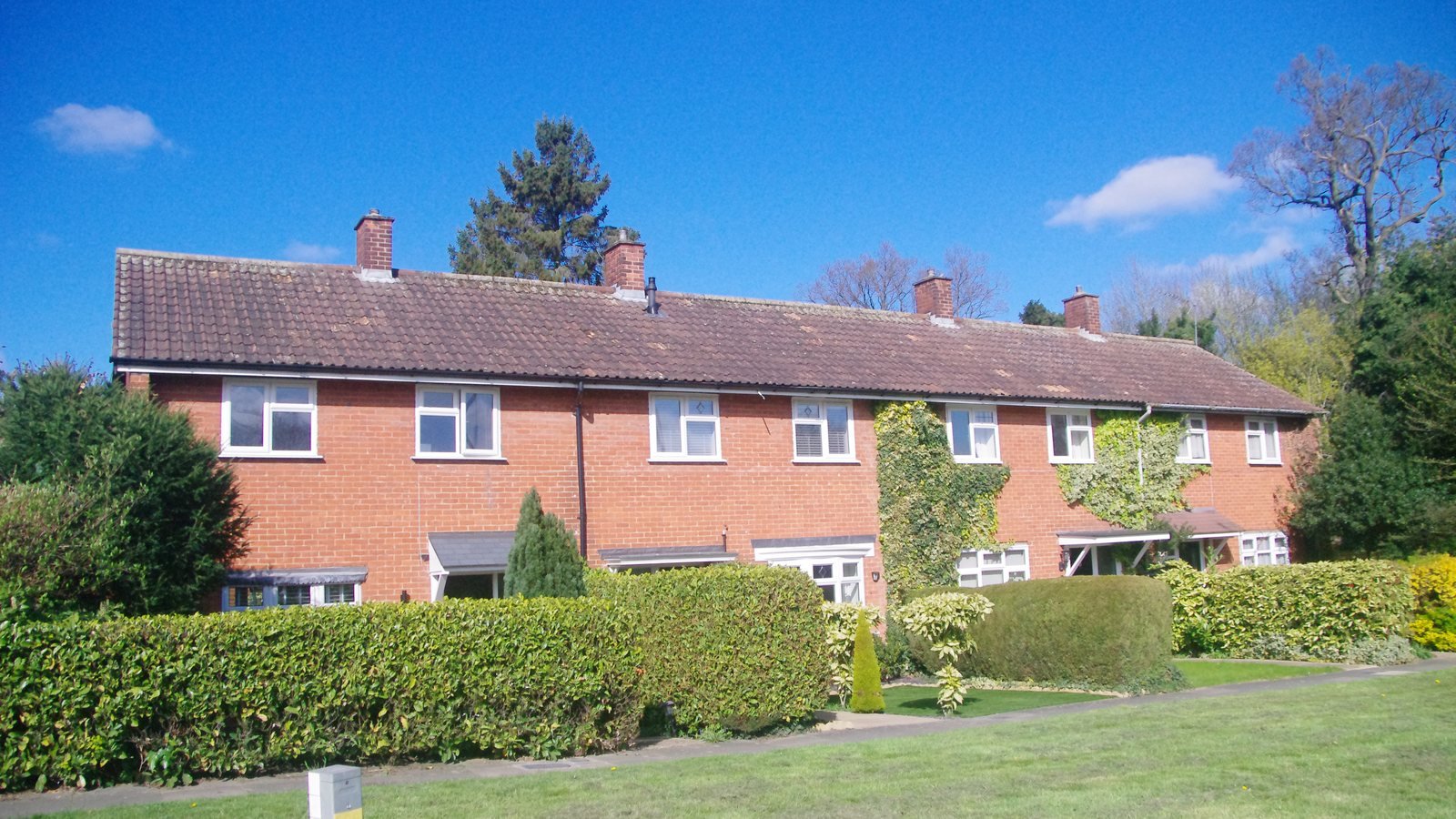
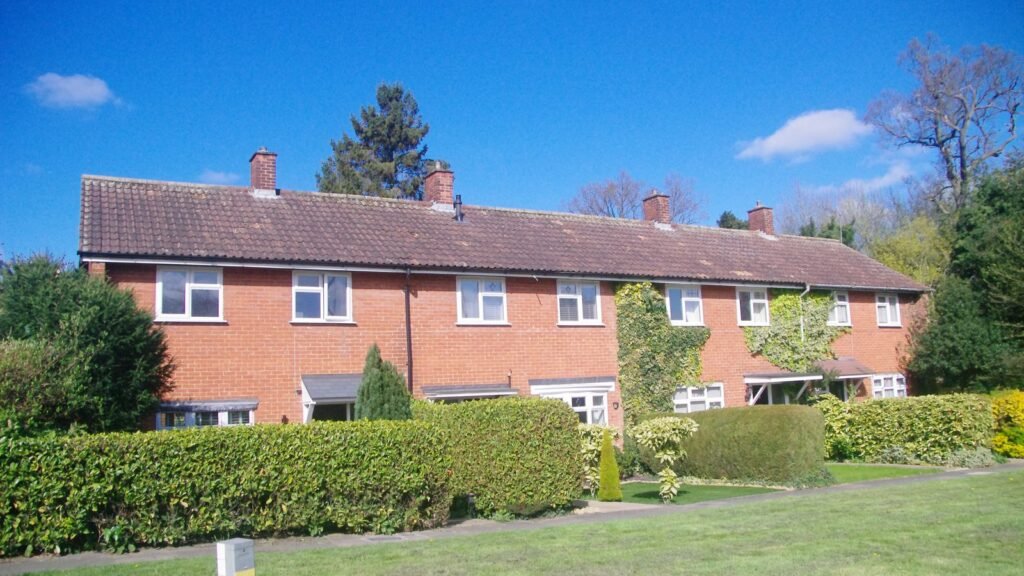
Featured image: “Terraced houses, The Gowers, Muskham Road, Harlow, Essex” by Mutney, via Wikimedia Commons, licensed CC BY-SA 4.0 (cropped).