Mould and damp are no longer being treated as a cosmetic nuisance in Australia. On Nov. 26, 2026, University of Melbourne researchers launched The Australian Healthy Housing Handbook at Parliament House in Canberra. It estimates that 2.5 million Australian households live in unhealthy housing and names mould, poor ventilation, extreme indoor temperatures and insecure tenure as direct causes of respiratory disease, heart disease and poor mental health.
The short answer for households: mould is a moisture problem first. If you find it, clean small patches promptly, fix the source of the water and dry the area. If it is large, keeps coming back or you rent, escalate it. Here is what the research says and how to spot, clean and prevent mould and damp at home.
What the Healthy Housing Handbook found
The handbook was produced by the Healthy Housing Unit at the Melbourne School of Public Health and the NHMRC Centre of Research Excellence in Healthy Housing. Its mould and damp section makes several points that apply to any home:
- About 30% of Australian homes have some level of dampness and mould.
- Damp usually comes from water leaks, condensation, flooding, rising damp, poor drainage, inadequate ventilation or persistent moisture.
- Damp, mould and leaks are linked to higher risks of respiratory conditions, allergies and mental health problems, especially for children, older people and people with existing health conditions.
- The World Health Organization has not set a “safe” exposure level, so it recommends preventing any level of dampness and mould.
- Once a home is contaminated, mould is hard to remove, so preventing moisture problems is the key.
The researchers also put a price on the problem. They estimate that eliminating mould alone would cut health spending by about A$3.8 billion over 20 years and lift working-age incomes by about A$5.9 billion through higher productivity.
“We can no longer afford to treat housing and health as separate,” Professor Rebecca Bentley, director of the Centre of Research Excellence in Healthy Housing, told ABC News.
Why renters are most exposed
The handbook’s first two priorities are better housing conditions for renters and stronger renter protections. Bentley told the ABC that people in rental properties are more likely to report mould and damp than owner-occupiers, and they face more barriers to getting it fixed. The researchers want national minimum rental standards and an end to no-grounds evictions.
The ABC also reported on a Victorian renter whose hygienist found significant mould under her rental’s carpet after years of unexplained illness, a reminder that hidden mould is worth checking for. Our guide to finding hidden mould behind walls and under carpets covers the usual hiding spots.
How to tell if your home has a damp or mould problem
Common warning signs include:
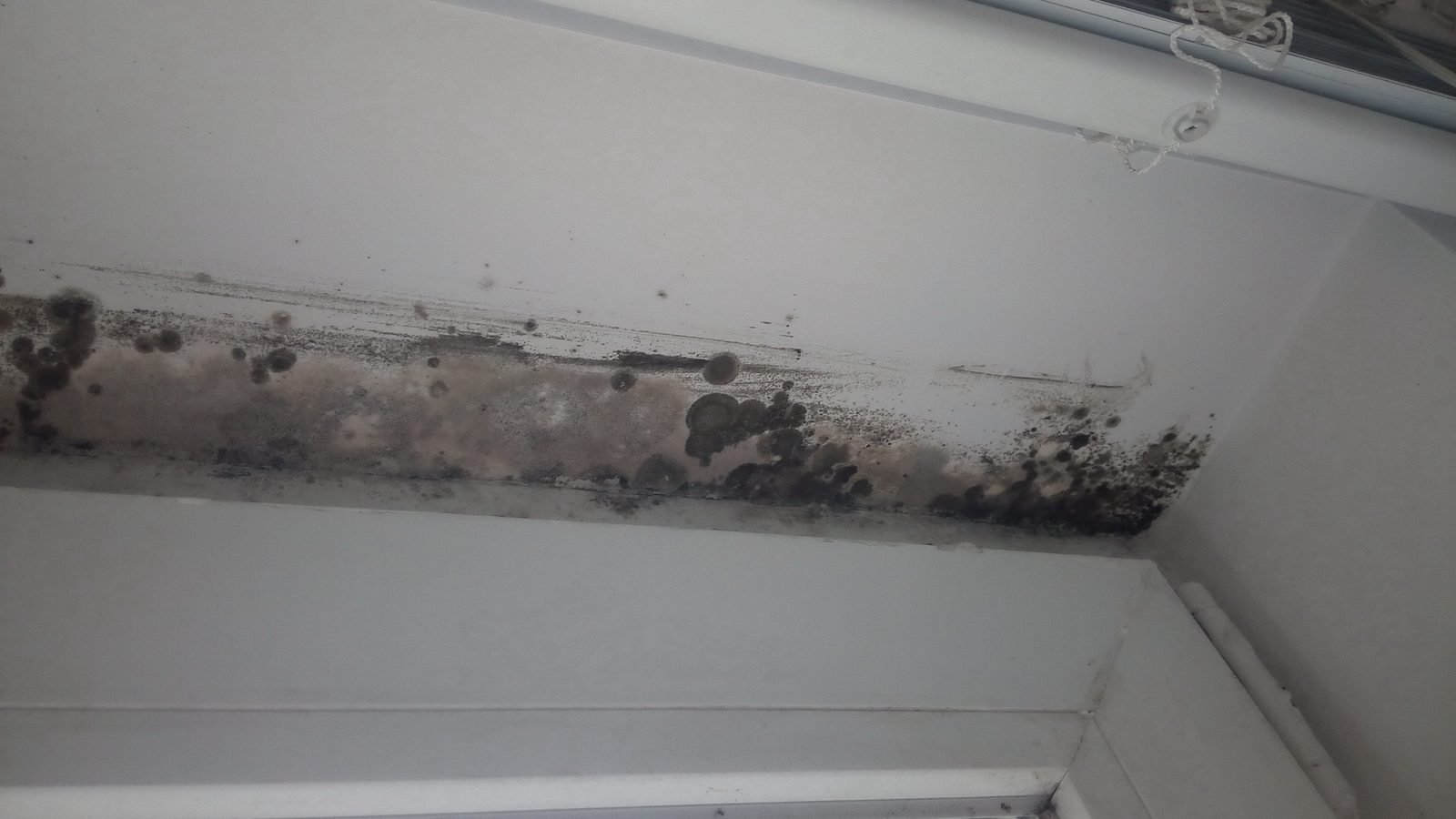
- Black, green, grey or white spotty growth, especially in corners, on ceilings, around window frames and behind furniture placed against outside walls
- A musty smell in a room, cupboard or wardrobe, even when you can’t see anything
- Water droplets running down windows on cold mornings. Constant condensation is a sign of high humidity; see our tips on dealing with window condensation.
- Peeling paint, bubbling plaster, stained ceilings or carpet that feels damp
The U.S. Environmental Protection Agency says a cheap humidity meter (about US$10 to US$50) can tell you whether indoor air is too damp. Its guide to mould and moisture recommends keeping indoor relative humidity below 60%, ideally between 30% and 50%.
How to clean up mould safely
These steps follow the EPA’s guidance for homeowners and renters:
1. Check the size first
If the mouldy area is less than about 10 square feet (roughly a 1 m by 1 m patch), the EPA says you can usually clean it yourself. Larger areas, mould after major water damage, or damage from sewage or other contaminated water call for an experienced professional. If you have asthma, a weak immune system or other health concerns, talk to a doctor before you start.
2. Protect yourself
Wear long rubber gloves, goggles and an N95 (P2 in Australia) respirator so you don’t breathe in spores. Open windows if you can.
3. Scrub, then dry completely
Scrub mould off hard surfaces with detergent and water, then dry them completely. Porous materials such as ceiling tiles and carpet may have to be thrown out if they become mouldy, because mould grows into the gaps and can be impossible to remove fully.
4. Don’t paint over it
The EPA warns against painting or caulking mouldy surfaces. Clean and dry them first, or the paint is likely to peel and the mould will return.
5. Fix the water problem
This is the step most people skip. In the EPA’s words, if you clean up the mould but don’t fix the water problem, the mould will most likely come back. Fix leaks quickly and dry water-damaged areas and items within 24 to 48 hours.
Don’t run a heating or cooling system you suspect is contaminated with mould, because it can spread spores through the house.
How to prevent mould and damp from coming back
- Ventilate wet rooms. Run the bathroom fan or open a window when you shower, and use the rangehood or open windows when cooking or running the dishwasher. If your fan struggles, here are some bathroom ventilation upgrades that actually help.
- Vent moisture outside. The EPA recommends venting clothes dryers and stoves to the outside where possible. Drying washing indoors adds a lot of moisture to the air.
- Use a dehumidifier or air conditioner in humid weather, and empty the tank regularly.
- Wipe condensation off windows and sills each morning in cooler months.
- Check the outside. Clean gutters and make sure the ground slopes away from the foundations so water doesn’t collect against the house.
- Keep rooms warm enough. Cold surfaces attract condensation. The handbook treats indoor temperatures persistently below 18°C (64.4°F) as a health hazard in temperate climates.
If you rent: what to do about mould
Rules depend on where you live, so check your state or territory tenancy regulator. In Victoria, the rental minimum standards already say all rooms must be free from mould and damp caused by or related to the building structure. Rentals must also have adequate ventilation in habitable rooms, including the bathroom, toilet and laundry. Since Oct. 13, 2026, Victorian rental providers must keep records showing the property meets the minimum standards, and new energy-efficiency standards start on March 1, 2027.
Wherever you rent:
- Photograph the mould with dates, and note any leaks, stains or musty smells.
- Report it in writing to your landlord or agent, and keep a copy.
- Separate structural causes from everyday ones. A leaking roof, broken exhaust fan or rising damp is usually a repair issue. Condensation from drying clothes inside with the windows shut is something you can reduce yourself.
- Escalate if nothing happens through your state tenancy authority or tribunal.
As a model, the handbook points to England’s Awaab’s Law, which requires social landlords to investigate and fix hazardous damp and mould within set timeframes, with emergency hazards addressed within 24 hours.
FAQ
Is black mould more dangerous than other mould?
Colour alone doesn’t tell you how harmful mould is. The EPA notes that moulds come in many colours, and any indoor mould can trigger allergies and asthma in sensitive people. Treat all visible mould the same way: clean it and fix the moisture.
Does bleach kill mould?
The EPA does not recommend bleach or other biocides as a routine part of mould cleanup. Dead mould can still cause allergic reactions, so it has to be removed, not just killed. If you do use bleach, ventilate the room and never mix it with cleaners that contain ammonia, because toxic fumes can form.
When should I call a professional?
Call one if the mould covers more than about 10 square feet, follows a flood or sewage leak, is inside the air-conditioning or heating system, or keeps coming back after cleaning.
This article summarizes public research and government guidance and is not medical or legal advice. If you have symptoms you think are linked to your home, see a doctor. Sources: University of Melbourne newsroom and The Australian Healthy Housing Handbook (Nov. 26, 2026), ABC News (Nov. 26, 2026), U.S. EPA “A Brief Guide to Mold, Moisture and Your Home” and Consumer Affairs Victoria rental minimum standards.
Featured image: “Indoor Mold” by Alexander Davronov, via Wikimedia Commons, licensed CC BY-SA 4.0 (cropped).