The coldest air of the season is bringing a first freeze or hard freeze to much of the central and eastern U.S. Nov. 13-15. Here’s how to protect pipes, outdoor faucets and plants before Friday night.
November 11, 2026
Home improvement · Real estate · Life around the house

The coldest air of the season is bringing a first freeze or hard freeze to much of the central and eastern U.S. Nov. 13-15. Here’s how to protect pipes, outdoor faucets and plants before Friday night.
 Mai
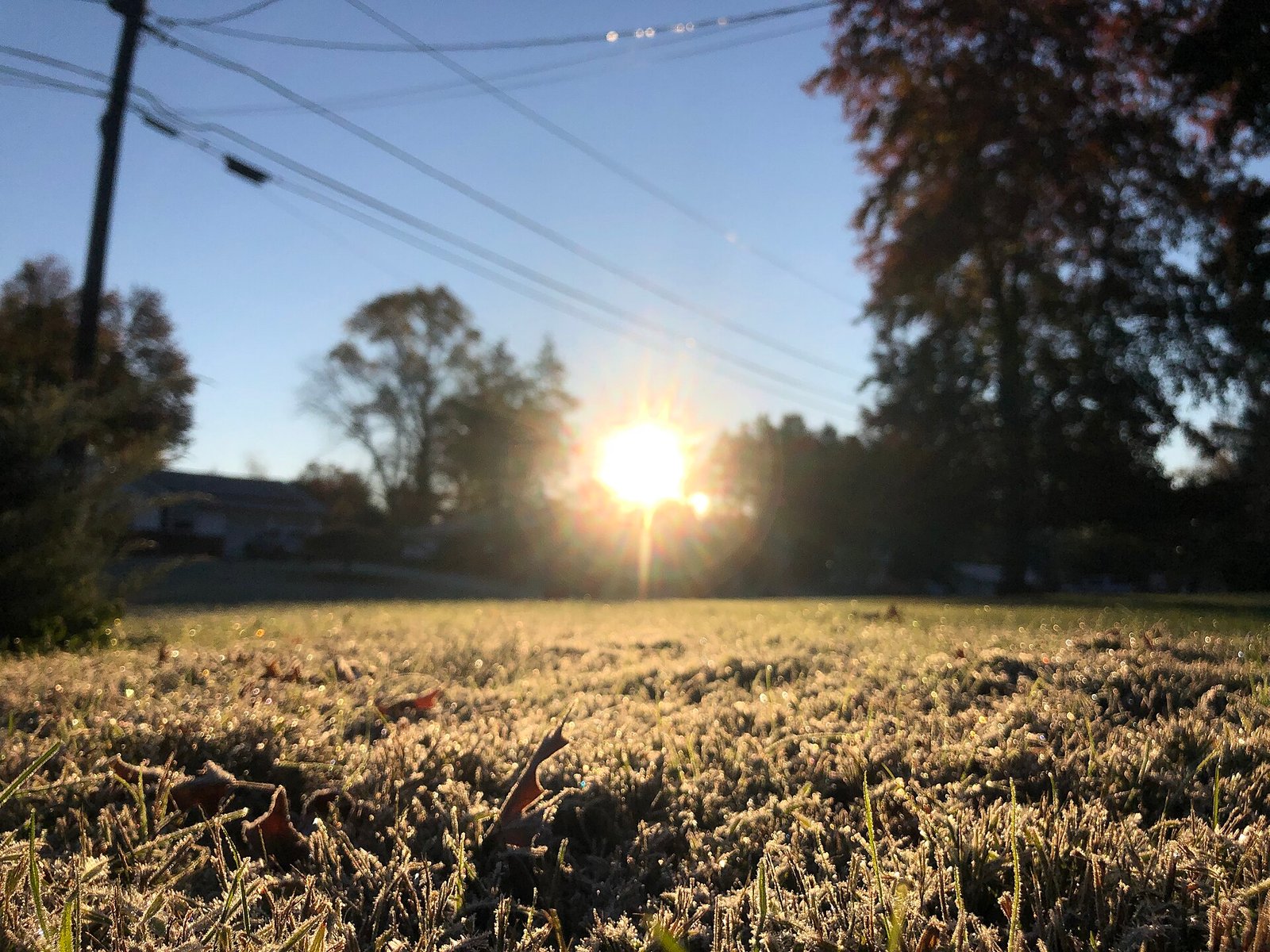
Table of Contents
ToggleThe coldest air of the season so far is sweeping across the central and eastern U.S. this week, and many places will get their first freeze, or even a hard freeze, between Friday, Nov. 13 and Sunday, Nov. 15. If you live east of the Mississippi River or in the South, plan to protect outdoor faucets, exposed pipes and tender plants before Friday night. The short version: disconnect and drain your hoses, open cabinet doors on outside walls, keep your thermostat steady overnight, and cover or bring in plants you want to save.
Here is what forecasters expect, what the freeze terms mean and a simple checklist for getting your home and yard ready.
According to the National Weather Service’s Weather Prediction Center, a strong cold front is moving from the central U.S. to the East Coast and will bring the coldest air of the season so far to much of the central and eastern U.S. by late week. Lows in the 20s are expected over the northern Plains by Friday morning, which would be the first freeze of the season for several areas, and the forecasters say a widespread hard freeze will reach into the South this weekend. Much of the West, meanwhile, stays unusually warm.
USA TODAY reports that lows by Saturday, Nov. 14 will drop into the 20s and 30s across much of the country east of the Mississippi, except central and southern Florida. Frost and freeze risk stretches from northeastern Texas to near northern Florida and the I-95 corridor of the Carolinas. AccuWeather expects the coldest air to settle over the lower Mississippi and Tennessee valleys Friday night into Saturday, then shift toward the southern Appalachians and Piedmont Saturday night into Sunday.
A few regional examples:
Check your local NWS office or a trusted local forecast for your exact low, since temperatures can vary a lot over short distances.
The National Weather Service uses three main terms, explained on its cold weather alerts page and in its glossary:
One catch: these frost and freeze alerts are tied to the growing season. Once your area has had its first killing freeze, your local office may stop issuing them for the year, so keep an eye on the forecast low itself.
Water expands as it freezes, and that pressure can split metal or plastic pipes. The American Red Cross says the pipes most likely to freeze are outdoor hose bibs, pool and sprinkler supply lines, pipes in unheated spaces like crawl spaces, attics, garages and basements, and pipes that run along poorly insulated exterior walls. A first freeze in mid-November usually won’t burst well-protected indoor plumbing, but outdoor lines and exposed pipes are a real risk, especially where nights drop into the 20s.
If you heat with oil or propane, now is also a good time to check your tank level before the cold settles in. Our guide to heating oil prices this winter and how to cut your bill covers budget plans and assistance programs.
A faucet that only trickles is a common sign. The Red Cross says to keep the faucet open and warm the frozen section with an electric heating pad, a hair dryer, towels soaked in hot water or a portable space heater kept away from anything flammable. Never use a blowtorch, kerosene or propane heater, charcoal stove or any open flame. If you can’t find or reach the frozen spot, or it won’t thaw, call a licensed plumber, and check your other faucets, since one frozen pipe often means others. If you’re relying on a space heater, first make sure it isn’t part of a recall, such as the DREO space heater recall announced earlier this month.
After a thaw, look for drips, damp drywall or water stains near the pipe. A small crack can leak slowly for days, and our tips on fixing leaky faucets and pipes can help with minor repairs. Know where your main water shutoff valve is before you need it.
Summer annuals, tomatoes, peppers, tropical houseplants summering outdoors and newly planted perennials are the plants most at risk. The National Weather Service in Buffalo suggests these steps:
Be realistic about a hard freeze. MLive’s meteorologist notes that several mornings in the mid-20s will end most of the garden season, so pick the ripest vegetables now. Once the weekend passes, it’s a good time to empty and store clay or ceramic pots, which can crack when wet soil freezes.
Water freezes at 32°F, but how fast a pipe freezes depends on how long it stays cold, wind and how exposed the pipe is. Outdoor faucets and pipes in unheated spaces or along uninsulated outside walls are the most at risk, so protect those first whenever lows head into the 20s.
If you have pipes in unheated areas or along exterior walls and your forecast low is well below freezing, a slow drip of cold water from those faucets is a cheap safeguard. The Red Cross recommends it during very cold weather.
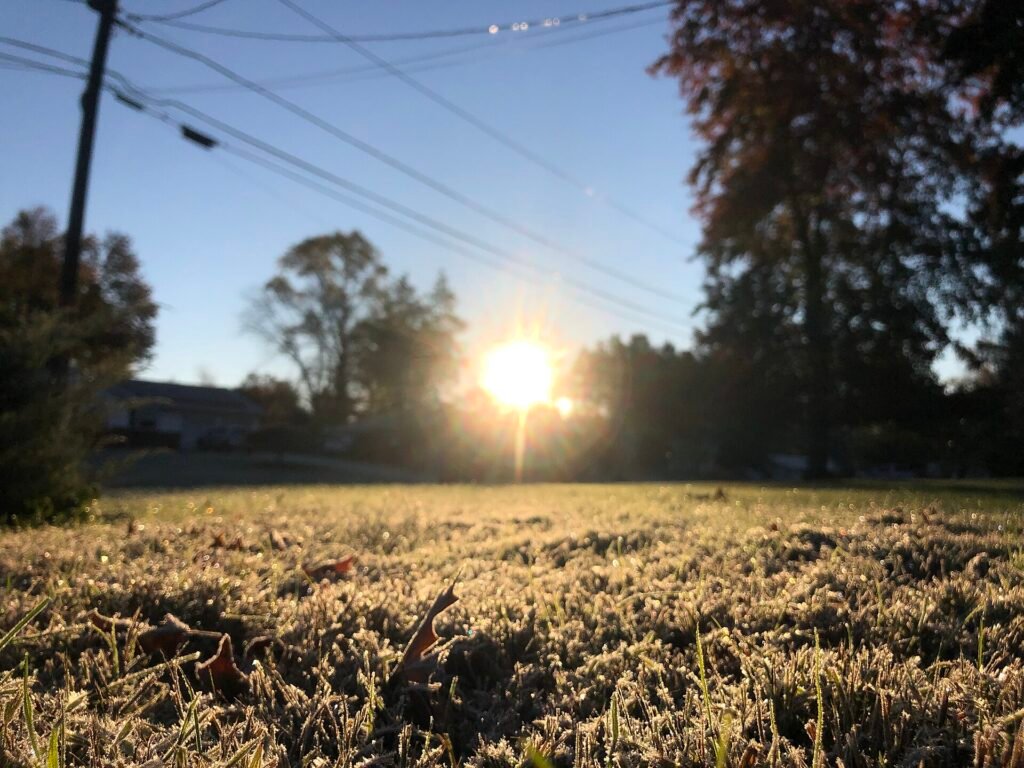
Featured photo: frost on a lawn at sunrise in Ewing Township, New Jersey. Photo by Famartin, CC BY-SA 4.0, via Wikimedia Commons.

Mai is Candy Bird's go-to writer for everything around the house, from repairs and DIY fixes to smart storage, energy-saving upgrades and buying or selling a home. Her advice is practical, easy to follow and comes with a touch of humor, whether you're a first-time homeowner or a seasoned DIYer.
More from this writer →
Five minutes, every weekend. Free.

Practical guides for the place you live: fixing it up, decorating it, keeping it running, and buying, selling or renting it.
© 2026 Candy Bird. All rights reserved.
Candy Bird is ad-supported. Our guides are general information, not professional, legal or financial advice: check with a licensed contractor, agent or lender before big decisions.