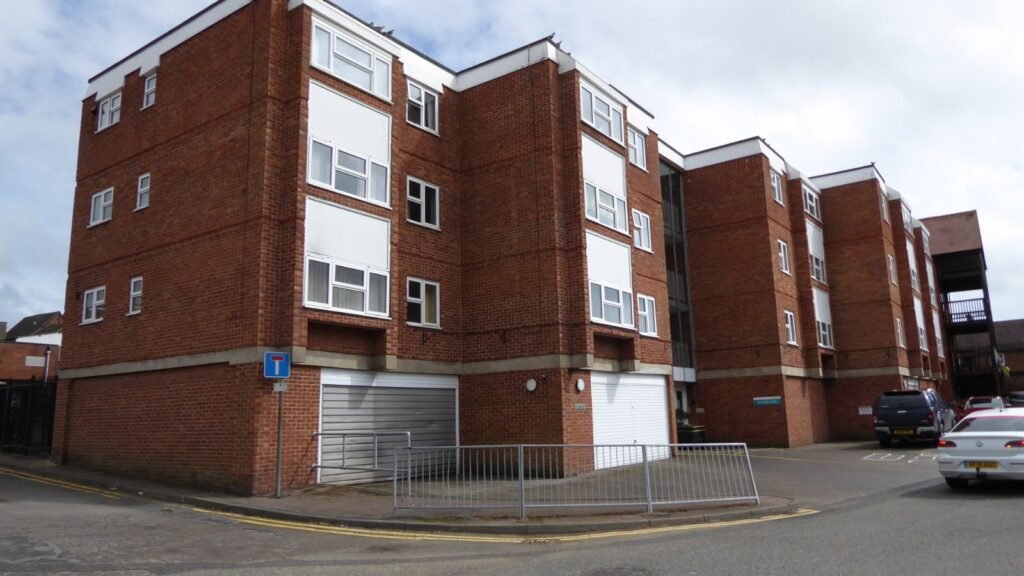
What causes uneven or sloping floors, how to judge how serious the problem is and the signs that point to a deeper structural issue.
November 19, 2026
Home improvement · Real estate · Life around the house

What causes uneven or sloping floors, how to judge how serious the problem is and the signs that point to a deeper structural issue.
 Mai

Table of Contents
ToggleUneven or sloping floors can be a perplexing issue for homeowners, often leading to concerns about the structural integrity of their homes. The causes of these floor irregularities can be varied and complex. One common culprit is the settling of a house over time.
As a building ages, the foundation may shift due to changes in soil composition, moisture levels, or even seismic activity. This settling can lead to noticeable slopes or dips in the flooring, which can be particularly pronounced in older homes where the foundation may not have been constructed with modern engineering standards. Another significant factor contributing to uneven floors is water damage.
Leaks from plumbing systems, roof issues, or even groundwater infiltration can erode the foundation or cause wood components to rot. This deterioration can lead to sagging floors and create an uneven surface. Additionally, poor construction practices, such as inadequate support beams or improper installation of flooring materials, can exacerbate the problem.
Understanding these causes is crucial for homeowners, as it allows them to address the underlying issues rather than merely treating the symptoms of uneven flooring.
Homeowners can use a level or a long straightedge to check for slopes and dips across various areas of the floor. A noticeable slope of more than an inch over a span of ten feet may indicate a more serious problem that requires professional intervention.
Additionally, homeowners should look for other signs of structural issues, such as cracks in walls, doors that stick or do not close properly, and gaps between the floor and baseboards.
In some cases, the severity of the issue may not be immediately apparent. Homeowners may need to conduct a more thorough investigation, which could involve checking the foundation for cracks or signs of water damage. It may also be beneficial to consult with a structural engineer who can provide a comprehensive assessment of the home’s integrity. Identifying the severity of the issue is crucial because it determines the appropriate course of action—whether it involves simple cosmetic fixes or more extensive structural repairs.
When faced with uneven or sloping floors, many homeowners find that hiring a professional is the best course of action. A qualified structural engineer can provide an expert assessment that takes into account not only the visible signs of damage but also underlying issues that may not be immediately apparent. Professionals have the experience and tools necessary to conduct thorough inspections, which often include evaluating the foundation, checking for moisture problems, and assessing the overall structural integrity of the home.
Moreover, professionals can offer tailored solutions based on their findings. They can recommend appropriate repair methods that align with the severity of the issue and the specific needs of the home. While some homeowners may be tempted to tackle repairs themselves to save money, this approach can lead to further complications if not done correctly.
Engaging a professional ensures that repairs are conducted safely and effectively, ultimately preserving the value and safety of the home.
| Flooring Option | Pros | Cons |
|---|---|---|
| Carpet | Provides insulation and softness | May not be suitable for high moisture areas |
| Hardwood | Timeless and durable | May require leveling for installation |
| Laminate | Easy to clean and maintain | May not be suitable for areas with high moisture |
| Tile | Durable and water-resistant | May require additional subfloor preparation |
Once homeowners have addressed the underlying causes of their uneven floors, they may consider various flooring options that can accommodate or even enhance their living space despite its imperfections. One popular choice is laminate flooring, which is relatively easy to install and can be laid over uneven surfaces with minimal preparation. Laminate offers a wide range of styles and finishes, allowing homeowners to achieve their desired aesthetic without extensive renovations.
Another option is engineered hardwood flooring, which is designed to withstand fluctuations in temperature and humidity better than traditional hardwood. This type of flooring can be installed over existing surfaces and provides a more stable solution for homes with minor unevenness. Additionally, carpet can serve as an effective way to mask imperfections in flooring while providing comfort and warmth.
Homeowners should consider their lifestyle and preferences when selecting flooring materials, as each option has its own set of advantages and potential drawbacks.
For those who wish to address uneven floors directly, leveling compounds and self-leveling underlayment present viable solutions. These materials are designed to create a smooth, even surface over existing floors, making them ideal for minor slopes and dips. Leveling compounds are typically made from cement-based materials that can be poured over the floor to fill in low spots and create a flat surface.
Self-leveling underlayment takes this concept a step further by automatically seeking its own level as it is poured. This feature makes it particularly useful for homeowners who may not have experience with flooring installation. The application process generally involves cleaning the existing floor, mixing the compound according to manufacturer instructions, and pouring it evenly across the surface.
Once cured, these materials provide a solid foundation for new flooring installations while effectively addressing minor unevenness.
This process typically involves laying down sheets of plywood or oriented strand board (OSB) over existing flooring to provide added support and stability.
The installation of subflooring requires careful planning and execution. Homeowners must ensure that the new subfloor is securely fastened and properly aligned with existing structures to prevent future issues. Additionally, this method allows for insulation installation between layers, which can improve energy efficiency and soundproofing within the home.
While this approach may require more time and effort than simply applying leveling compounds, it often results in a more durable and long-lasting solution for uneven floors.
For homes with severe sloping floors, structural repairs may be necessary to restore safety and stability. These repairs often involve addressing foundational issues that have led to significant shifts in the structure. Homeowners may need to consult with structural engineers who can recommend solutions such as underpinning or piering—methods designed to stabilize and reinforce foundations.
Underpinning involves extending the foundation deeper into stable soil layers, while piering uses steel piers driven into the ground to support the structure above. Both methods aim to prevent further settling and provide a solid base for the home. While these repairs can be costly and time-consuming, they are essential for ensuring long-term safety and preventing further damage to the property.
Once repairs have been made, regular maintenance becomes crucial in preventing future issues with uneven or sloping floors. Homeowners should routinely inspect their properties for signs of water damage, such as leaks or dampness in basements and crawl spaces. Addressing these issues promptly can prevent further deterioration of foundational elements.
Additionally, maintaining proper drainage around the home is essential for protecting against soil erosion that could lead to settling foundations. Homeowners should ensure that gutters are clean and functioning correctly, directing water away from the foundation. Regularly checking for cracks in walls or floors can also help identify potential problems early on, allowing for timely intervention before they escalate into more significant issues.
In conclusion, understanding uneven or sloping floors involves recognizing their causes, assessing their severity, and taking appropriate action through professional help or DIY solutions. By exploring various flooring options and considering structural repairs when necessary, homeowners can effectively manage this common issue while ensuring their homes remain safe and comfortable for years to come. Regular maintenance practices will further safeguard against future problems, allowing homeowners to enjoy their living spaces without concern for structural integrity.
If you are dealing with uneven or sloping floors in your home, it may be worth considering the legalities of space exploration. Understanding the legalities of space exploration can provide insight into how to navigate complex issues, much like navigating the complexities of uneven flooring. For more information on this topic, check out this article on Candybird.
Uneven or sloping floors can be caused by a variety of factors, including foundation settlement, poor construction, water damage, or natural settling of the building over time.
You can tell if your floors are uneven or sloping by placing a level on the floor and checking for any noticeable tilt or slant. You may also notice doors that don’t close properly, cracks in the walls, or gaps between the floor and baseboards.
Uneven or sloping floors can be a sign of a serious structural issue, such as foundation problems or water damage. It’s important to have a professional inspect the floors to determine the cause and severity of the problem.
Uneven or sloping floors can often be fixed through various methods, such as foundation repair, floor leveling, or installing additional support beams. The appropriate solution will depend on the underlying cause of the issue.
Living in a house with uneven or sloping floors can pose safety risks, as it may lead to tripping hazards and structural instability. It’s important to address the issue promptly to ensure the safety and stability of the home.

Mai is Candy Bird's go-to writer for everything around the house, from repairs and DIY fixes to smart storage, energy-saving upgrades and buying or selling a home. Her advice is practical, easy to follow and comes with a touch of humor, whether you're a first-time homeowner or a seasoned DIYer.
More from this writer →
Five minutes, every weekend. Free.

Practical guides for the place you live: fixing it up, decorating it, keeping it running, and buying, selling or renting it.
© 2026 Candy Bird. All rights reserved.
Candy Bird is ad-supported. Our guides are general information, not professional, legal or financial advice: check with a licensed contractor, agent or lender before big decisions.