The Federal Reserve is widely expected to raise interest rates at its Dec. 8-9 meeting, and if you have a mortgage, a home equity line of credit (HELOC) or plans to buy a house, you’ll feel it in different ways. As of Nov. 24, investors were pricing in a 97% chance of a quarter-point hike, according to CME Group’s FedWatch tool as reported by CNBC. Meanwhile, the average 30-year fixed mortgage rate eased to 7.21% this week, Freddie Mac says.
The quick answer: a Fed hike pushes up variable-rate debt like HELOCs and credit cards almost right away. Fixed mortgage rates follow long-term Treasury yields instead, so they won’t automatically jump on Dec. 9. They could even ease if the Fed’s message calms inflation worries. Here’s what is happening, how each type of home loan is affected and what to do before the decision.
Why the Fed is expected to raise rates in December
At its last meeting on Oct. 28, the Fed held its benchmark federal funds rate in a range of 3.75% to 4%. The vote wasn’t unanimous. Two officials, Lisa Cook and Beth Hammack, voted against holding and wanted a quarter-point increase, according to the Fed’s statement. The statement said that “inflation remains elevated” and that “economic activity is expanding at a strong pace.”
Since then, the inflation news has mostly moved in the wrong direction. Realtor.com’s economic research team notes that October’s consumer price index came in hotter than expected. The PCE price index, the Fed’s preferred gauge, showed overall inflation at 3.8% and core inflation at 3.3% in October, and both edged up from September. On Monday, New York Fed President John Williams said policymakers have more work to do to bring inflation under control. Fed Governor Christopher Waller told CNBC on Nov. 18 that a half-point increase might even be necessary.
The Dec. 8-9 meeting is also one where officials publish new economic projections, according to the Fed’s 2026 meeting calendar. The decision is due on the afternoon of Wednesday, Dec. 9, and those projections will show how many more hikes officials expect in 2027. For mortgage rates, that outlook may matter as much as the hike itself.
Where mortgage rates stand right now
Freddie Mac released its weekly survey a day early because of Thanksgiving. Here’s what it showed for the week ending Nov. 25:
- 30-year fixed: 7.21%, down from 7.28% the week before. A year ago it was 6.23%.
- 15-year fixed: 6.54%, down from 6.66%. A year ago it was 5.51%.
“Mortgage rates moved back down this week, offering modest relief for prospective homebuyers heading into the Thanksgiving holiday,” Freddie Mac chief economist Sam Khater said. Realtor.com says the pullback came as the 10-year Treasury yield fell back below 5%. Rates are still about a percentage point higher than a year ago. CNBC, citing Mortgage News Daily, reports that 30-year rates have stayed above 7% since September. If you followed our earlier look at mortgage rates after the midterms, the picture hasn’t changed much: rates are moving in a narrow band just above 7%.
How a Fed hike affects each type of home loan
Fixed-rate mortgages: no automatic jump
If you already have a fixed-rate mortgage, a Fed hike doesn’t change your rate or your payment. If you’re shopping for one, the Fed doesn’t set it directly. As CNBC explains, 15- and 30-year fixed rates generally track long-term Treasury yields, not the federal funds rate. A widely expected hike is largely already priced in.
Jeff DerGurahian, chief investment officer and head economist at loanDepot, told CNBC that if the Fed’s move matches expectations and signals inflation is heading the right way, Treasury yields could fall and mortgage rates could benefit. “However, if Fed officials suggest more aggressive tightening still lies ahead, Treasury yields and mortgage rates could face renewed pressure,” he said. He also said there is “still a path for mortgage rates to move into the high 6% range before we ring in the new year.” Treat that as one possible outcome, not a promise.
HELOCs: your rate will likely go up within weeks
This is where a hike hits homeowners most directly. Most HELOCs have variable rates set at the prime rate plus a margin, and banks’ prime rate typically moves in step with the Fed. With the Fed’s range at 3.75% to 4%, the prime rate is 7%. A quarter-point hike would normally lift it to 7.25%, and your HELOC rate would rise by the same amount at its next adjustment date. Check your loan agreement to see when that is.
In dollar terms, a 0.25-point increase on a $50,000 HELOC balance adds about $125 a year in interest, or roughly $10 a month. A half-point hike would double that. It adds up if more hikes follow in 2027. Many homeowners have been tapping their equity through HELOCs at the fastest pace since 2005, so the hike reaches more households than usual.
Adjustable-rate mortgages
Adjustable-rate mortgages (ARMs) don’t change the day the Fed acts. They reset on the schedule in your loan documents, based on an index plus a fixed margin. If your ARM resets in the next year, higher short-term rates could mean a bigger payment when it does. Look up your reset date and rate caps now so you aren’t surprised.
What buyers can do before Dec. 9
High rates have cooled the market. Realtor.com reports that pending home sales hit a record low in October. Existing-home sales are at their lowest level since 2010, and we covered why that gives buyers more negotiating power. Inventory is up 8.6% from a year ago, and the median listing price fell 2.4% to $400,000. If you’re actively shopping, these steps can help:
- Decide whether to lock. A rate lock holds your rate between the loan offer and closing, typically for 30, 45 or 60 days, according to Rocket Mortgage. If you’re under contract and the payment works for you, locking before the meeting removes the risk of a surprise. Ask your lender whether it offers a float-down option in case rates fall afterward.
- Compare at least three lenders by APR. APR includes points and fees, so it shows the true cost better than the advertised rate.
- Run the payment math at today’s rate. On a $320,000 30-year loan, principal and interest is about $2,174 a month at 7.21% and about $2,076 at 6.75%. Make sure the first number fits your budget rather than counting on a refinance.
- Ask builders about rate buydowns. Builders are using incentives to move inventory. Read our guide to how builder rate buydowns work before you sign.
- Negotiate. With fewer buyers competing, asking for seller credits toward closing costs or a permanent rate buydown is more realistic than it was a year ago.
What homeowners with HELOCs or ARMs should do
- Find your adjustment date. Your HELOC statement or agreement shows when the rate changes and what margin is added to prime.
- Pay down the balance if you can. Every dollar you repay is a dollar no longer exposed to rising rates.
- Ask about a fixed-rate option. Some lenders let you convert part of a HELOC balance into a fixed-rate portion. There may be fees, so compare the cost.
- Check your ARM’s caps. Know the most your rate can rise at the next reset and over the life of the loan.
Frequently asked questions
When is the Fed’s December 2026 decision?
The Federal Open Market Committee meets Dec. 8-9. The rate decision and new economic projections are released on Dec. 9.
Will mortgage rates go up if the Fed raises rates?
Not automatically. Fixed mortgage rates track long-term Treasury yields, and markets already expect a hike. Rates could rise if the Fed signals more hikes ahead than investors expect, or ease if its message reassures markets about inflation.
How much will my HELOC payment go up?
If prime rises by 0.25 points, a HELOC rate set at prime plus a margin rises by 0.25 points too. That’s about $125 more interest a year per $50,000 borrowed. The exact timing depends on your loan’s adjustment schedule.
This article is for general information and isn’t financial advice. Rates and terms vary by lender and borrower, so confirm details with your lender.
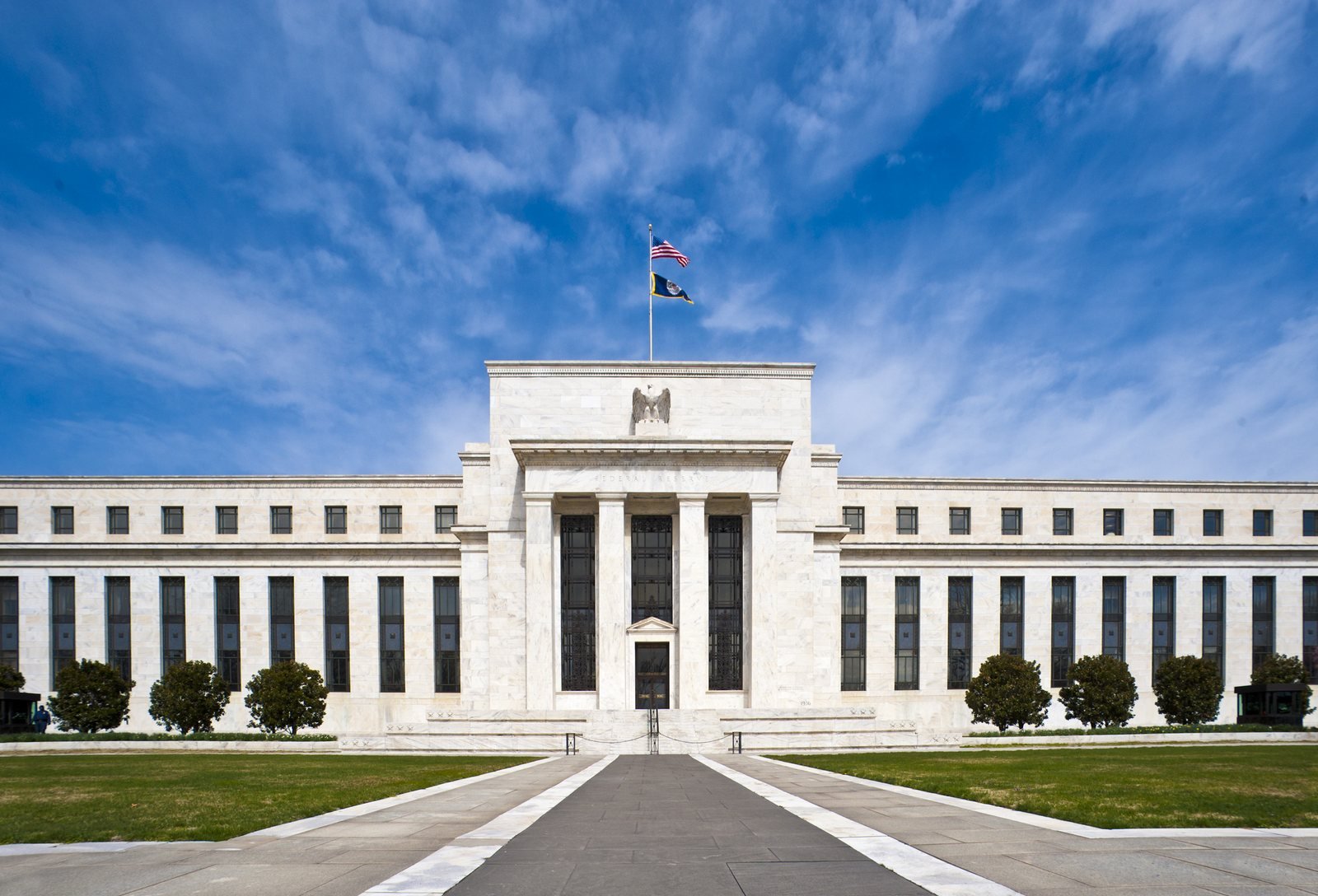
Featured image: Marriner S. Eccles Federal Reserve Board Building, Washington, D.C. Photo by the Federal Reserve via Wikimedia Commons (public domain).