Fire officials are warning about ladder falls, overloaded cords and dry trees as households decorate after Thanksgiving. Here’s what NFPA and CPSC data show and a practical holiday decorating safety checklist.

November 27, 2026
Home improvement · Real estate · Life around the house

Fire officials are warning about ladder falls, overloaded cords and dry trees as households decorate after Thanksgiving. Here’s what NFPA and CPSC data show and a practical holiday decorating safety checklist.
 Mai
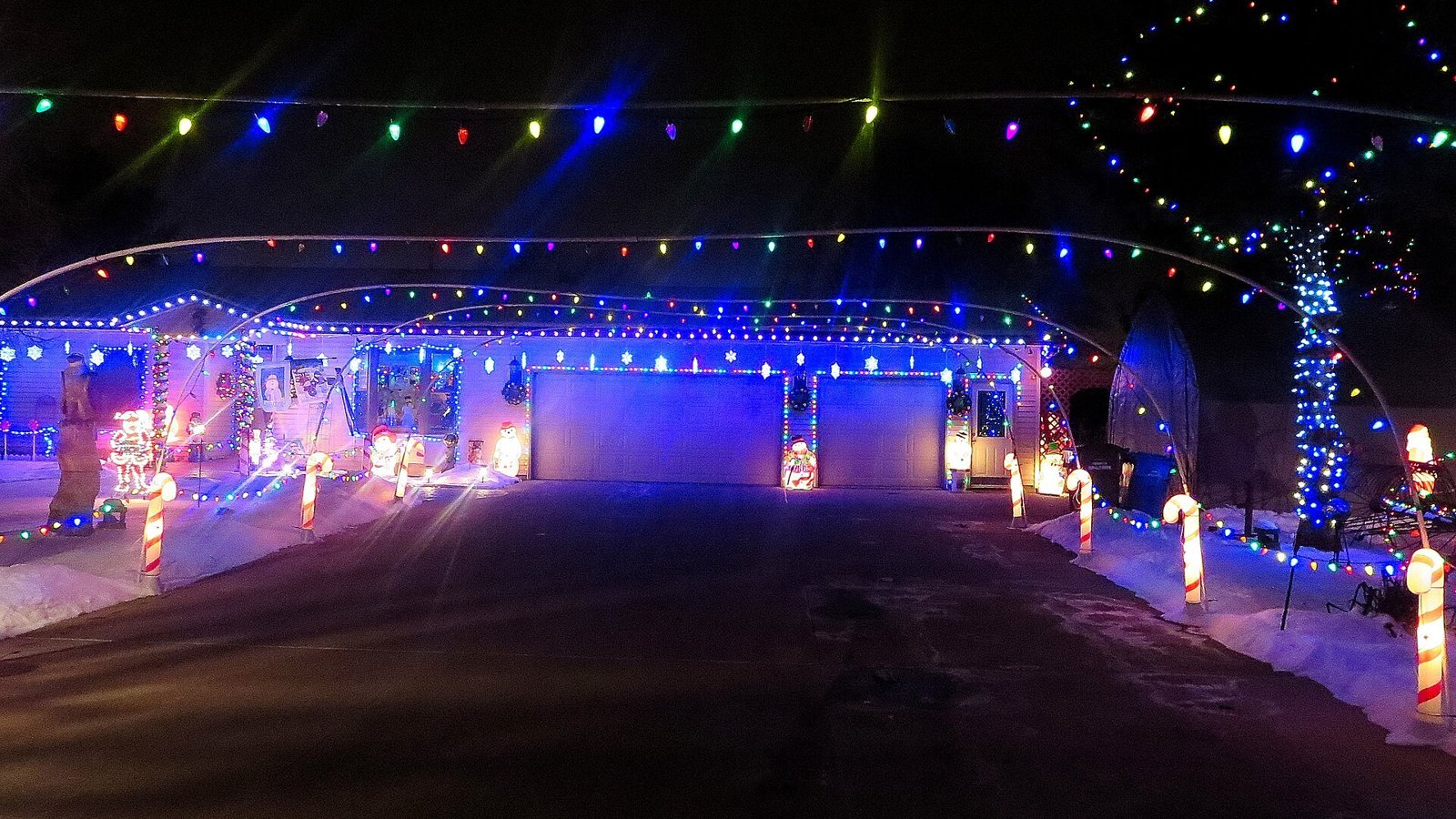
Table of Contents
ToggleThe weekend after Thanksgiving is when many households haul out the ladder, untangle the lights and set up the tree. Fire departments across the U.S. spent this week warning that this is also when a lot of avoidable injuries and house fires begin. In Alabama, Jefferson County fire officials urged residents to throw out damaged light strings and stop plugging power strips into each other. In New Jersey, a burn demonstration showed a mock living room with a Christmas tree becoming fully involved in under two minutes. And in Tampa, first responders told Bay News 9 that ladder accidents are among the most common holiday calls they answer.
The short answer: most holiday decorating accidents come from three things. Those are falls from ladders and roofs, overloaded or damaged cords and lights, and heat sources too close to a dry tree or decorations. A 20-minute check before you start covers almost all of them. Here is what the numbers show and a practical checklist for this weekend.
The figures behind this week’s warnings come from national safety groups:
Bay News 9 also reported Electrical Safety Foundation figures that about 5,800 people will be treated in emergency rooms for falls from ladders and roofs between now and the new year, and another 4,000 for extension cord-related accidents.
Falls account for about half of decorating injuries, so the ladder deserves more attention than the lights. Safety guidance shared by Hillsborough County Fire Rescue and Scripps Health trauma surgeons comes down to a few rules:
Scripps trauma surgeon Dr. Walter Biffl notes that a fall “doesn’t have to be from a great height to cause a serious injury.” Head injuries in particular may not show obvious symptoms right away, so get any hard knock to the head checked.
Electrical problems are behind nearly half of Christmas tree fires, and most of the fixes are free:
A good surge protector can help protect plugged-in electronics, but it does not make an overloaded outlet safe. Our guide to choosing a power surge protector explains the difference.
A well-watered tree burns far more slowly than a dry one, which NFPA’s test videos show reaching flashover in under a minute. If you are still deciding between real and artificial, our breakdown of 2026 Christmas tree prices covers costs. Whichever you choose:
Because candles start about half of December decoration fires, flameless LED candles are the simplest swap. If you use real ones, keep them at least a foot from anything that can burn and never leave them unattended. Space heaters add to the load on your circuits and need the same 3-foot clearance. Several models have been recalled this fall, including the DREO DR-HSH015 space heater. Finally, turn off indoor and outdoor lights before you go to bed or leave the house. A plug-in timer makes that automatic.
The holidays also bring the busiest cooking days of the year, so pair this list with our tips on preventing kitchen fires and putting out a grease fire.
For incandescent lights, CPSC and ESFI say no more than three sets. LED strings use less power and often allow more, but the safe number is whatever the manufacturer prints on the box or tag.
Fire safety groups, including NFPA, the Red Cross and ESFI, all advise turning lights and decorations off before going to sleep or leaving home.
No. Use only lights and extension cords rated for outdoor use outdoors, and plug them into a GFCI-protected outlet or a portable GFCI.
They are not common, but a dry tree can burn extremely fast. NFPA’s tests show a dried-out tree reaching flashover in less than a minute, and New Jersey’s demonstration this week showed a whole room fully involved in under two minutes.
This article summarizes public safety guidance and does not replace instructions from your product manufacturers or local fire department. Sources: NFPA Winter Holidays fire facts; U.S. Consumer Product Safety Commission; Electrical Safety Foundation International; WBRC (Nov. 26, 2026); WHYY (Nov. 25, 2026); Bay News 9 (Nov. 24–25, 2026); FOX 13 Tampa Bay (Nov. 18, 2026); Scripps Health (Nov. 9, 2026); American Red Cross (Nov. 24, 2026).
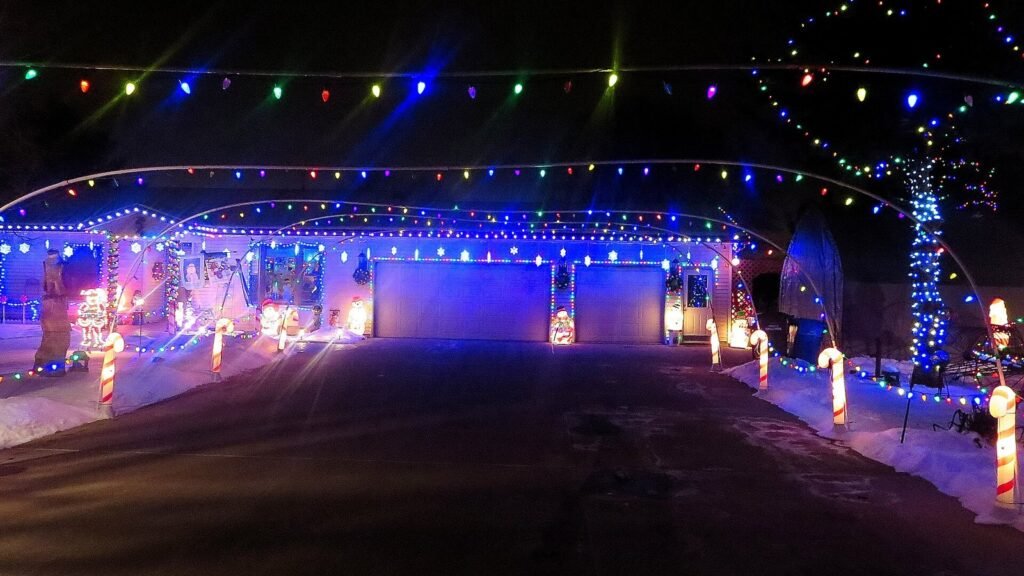
Featured image: “2013 Cherrywood Christmas Lights” by Corey Coyle, via Wikimedia Commons, licensed CC BY 3.0 (cropped).

Mai is Candy Bird's go-to writer for everything around the house, from repairs and DIY fixes to smart storage, energy-saving upgrades and buying or selling a home. Her advice is practical, easy to follow and comes with a touch of humor, whether you're a first-time homeowner or a seasoned DIYer.
More from this writer →
Five minutes, every weekend. Free.

Practical guides for the place you live: fixing it up, decorating it, keeping it running, and buying, selling or renting it.
© 2026 Candy Bird. All rights reserved.
Candy Bird is ad-supported. Our guides are general information, not professional, legal or financial advice: check with a licensed contractor, agent or lender before big decisions.