Sales of brand-new homes jumped in October, and price cuts by builders were a big reason why. According to the U.S. Census Bureau and HUD, new single-family home sales rose 14.2% to a seasonally adjusted annual rate of 701,000 in October 2026. That is the fastest pace of the year, while the median new-home price fell to $391,300, down 3.2% from a year earlier.
The short answer for buyers: builders are discounting and paying down mortgage rates to keep homes moving, and a typical new home now costs less than a typical existing home. The jump is less impressive than it looks, though. Here’s what the report shows, the caveats and how to use the builders’ position to get a better deal.
New home sales in October 2026: the key numbers
These figures come from the Census Bureau’s Nov. 25 release:
- Sales: 701,000 annual rate, up 14.2% from September’s 614,000 and 7.5% above October 2025 (652,000).
- Median price: $391,300, down 0.3% from September and 3.2% from a year ago.
- Average price: $459,900, down 12.1% from a year ago. KPMG says that’s the lowest average since July 2021.
- Homes for sale: 470,000, down 1.5% from September and 4.1% from a year earlier.
- Months’ supply: 8.0 months at the current sales pace, down from 9.3 months in September. About six months is usually considered balanced.
The result beat forecasts by a wide margin. Economists polled by Reuters expected a rate of about 650,000, and Reuters says it was the highest level since December 2025.
Why the 14% jump comes with an asterisk
There are three reasons to read this report carefully.
September was revised down sharply. The Census Bureau first reported September sales at 676,000. That figure is now 614,000, so October’s percentage gain is measured from a much lower starting point. First American deputy chief economist Odeta Kushi told Inman that the revision helps explain the size of the rebound.
The margin of error is huge. The Census Bureau puts the 90% confidence range on the monthly change at plus or minus 22.6%, which is bigger than the increase itself. In other words, the gain isn’t statistically significant, and the agency notes it takes about four months to establish a trend in new home sales.
One region did almost all the work. KPMG’s breakdown shows sales in the South surged 36.2% to a 515,000 rate, about three-quarters of all new homes sold. Every other region fell: the West dropped 25.4% to 94,000, the Midwest 9.4% to 77,000, and the Northeast slipped to 15,000. Year to date, Inman reports, total new-home sales are still running 3% behind 2025.
Builders are cutting prices and paying down rates
The bigger story is how builders are getting deals done. The National Association of Home Builders’ confidence index fell to 25 in November, its lowest since 2012, according to Mortgage Professional America. In the same survey, 46% of builders said they cut prices and 68% used incentives such as mortgage rate buydowns, both the highest shares since the pandemic. KPMG adds that the average price cut has held at 6% for eight straight months.
Builders are also selling cheaper homes. Kushi said one in four new homes sold in October went for under $300,000, a share not seen since 2021, and 52% sold for less than $400,000, up from 48% a year earlier. For the eighth month in a row, the median new home sold for less than the median existing home, with the gap at about $25,000 in October.
That is a sharp contrast with the resale market. NAR reported that existing home sales fell to their lowest level since 2010 in October, partly because owners with low locked-in rates don’t want to sell. Builders, by contrast, can lower prices or buy down a buyer’s mortgage rate to make the monthly payment work.
Mortgage rates are still the main hurdle
Borrowing costs remain high. Freddie Mac said the 30-year fixed rate averaged 7.21% for the week ending Nov. 25, down from 7.28% the week before but well above 6.23% a year ago. The Mortgage Bankers Association reported that purchase applications for new homes fell 13.6% from a year earlier in October, and its economist Joel Kan said many would-be buyers “hold off on their purchases” despite incentives.
That’s why economists are cautious. “While the modest increase in sales is encouraging, it is too early to interpret the gain as a sustained recovery in housing demand,” NAHB’s Danushka Nanayakkara-Skillington said, as quoted by Inman. HousingWire notes that the October number could also be revised when the November report comes out.
What this means if you’re shopping for a home
For buyers who can handle today’s rates, the new-construction market may offer more room to negotiate than it has in years. Here’s how to use it.
1. Look at finished, move-in-ready homes
KPMG says finished new homes took a median of 3.0 months to sell in October, up from 2.6 months a year earlier, and about 112,000 completed homes were still for sale. A builder carrying a finished house has costs every month it sits empty, so these “quick move-in” homes are often where the best deals are.
2. Ask for a price cut and a rate buydown, then compare
Ask the sales office what each option is worth in dollars. A lower price reduces your loan, your property taxes and possibly your mortgage insurance for good. A buydown lowers the payment, but a temporary buydown expires after a year or two. Get a written Loan Estimate for each version and compare the total cost.
3. Shop the builder’s lender
Many incentives require using the builder’s affiliated lender. That can be a good deal, but get at least one outside quote to compare. At least one mortgage executive has argued that builders sometimes raise the purchase price to fund a buydown, so check the price against recent sales of similar homes nearby.
4. Check your loan size
If you’re buying near the top of your local market, check whether your loan fits under the 2027 conforming loan limit of $855,400 that starts Jan. 1, or whether you’d need a jumbo loan.
5. Don’t skip the inspection
New doesn’t mean flawless. Hire an independent inspector before closing, ideally before drywall goes up if the home is still under construction. Read the builder’s warranty, HOA fees and any community rules before you sign. If this is your first purchase, our first-time home buyer guide covers budgeting and pre-approval.
What sellers of existing homes should know
If you’re selling a resale home in an area with a lot of new construction, the builder down the road is your competition. They are offering lower prices on smaller homes, rate buydowns and brand-new finishes. Price realistically, be ready to offer a credit toward closing costs or a rate buydown of your own, and fix obvious problems before listing.
FAQ
Are new home prices going down?
Yes, modestly. The October median new-home price of $391,300 was 3.2% lower than a year earlier, and the average price was down 12.1%. Part of that reflects builders selling more smaller, cheaper homes, not just discounts on the same homes.
Is a new home cheaper than an existing home right now?
At the median, yes. The typical new home sold for about $25,000 less than the typical existing home in October, the eighth straight month new homes were cheaper, according to First American’s Kushi. Prices in your area may be different.
When is the next new home sales report?
The Census Bureau will release November data on Dec. 23, 2026. That report will also revise the October figures.
Is now a good time to buy a new build?
It depends on your budget and plans. Builders are offering bigger incentives than at any time since the pandemic, but mortgage rates are above 7%. If the full monthly payment fits your budget without the incentive, a builder deal may be worth negotiating hard for.
This article summarizes public data and news reports and is not financial advice. Sources: U.S. Census Bureau and HUD New Residential Sales release (Nov. 25, 2026), KPMG Economics (Nov. 25, 2026), Reuters via Investing.com (Nov. 25, 2026), Inman (Nov. 25, 2026), HousingWire (Nov. 25, 2026), Mortgage Professional America (Nov. 25, 2026) and Freddie Mac PMMS (Nov. 25, 2026).
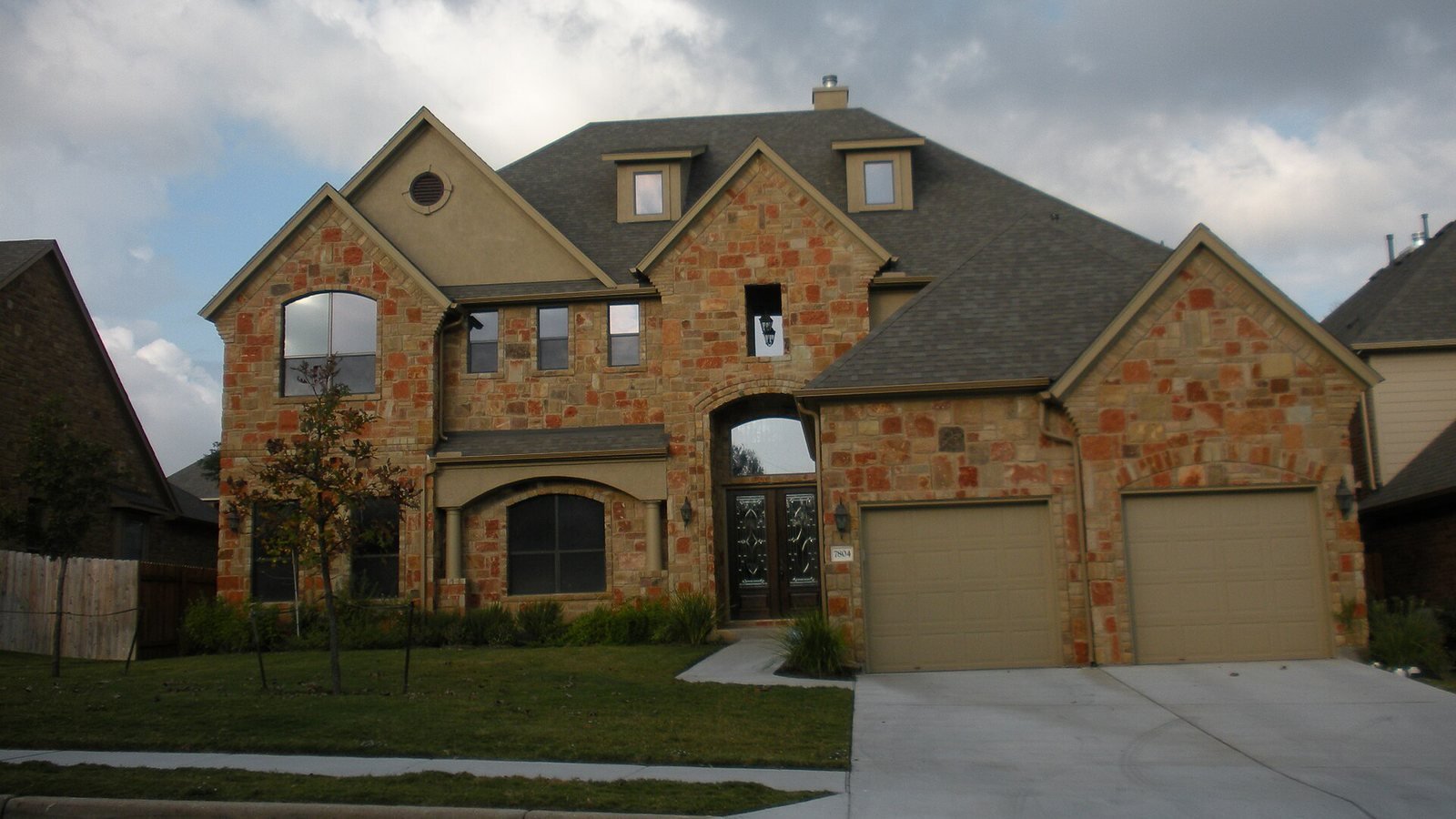
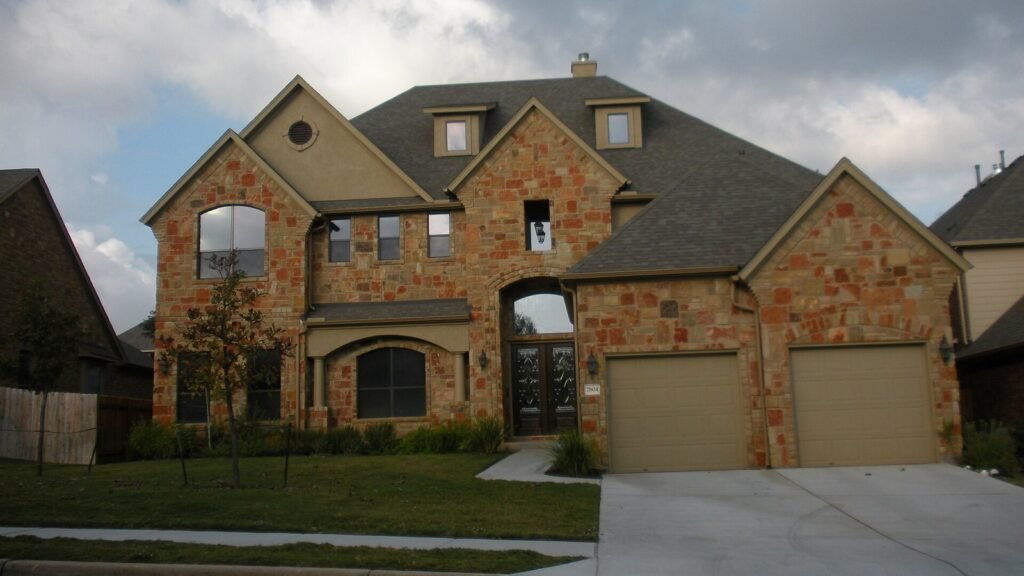
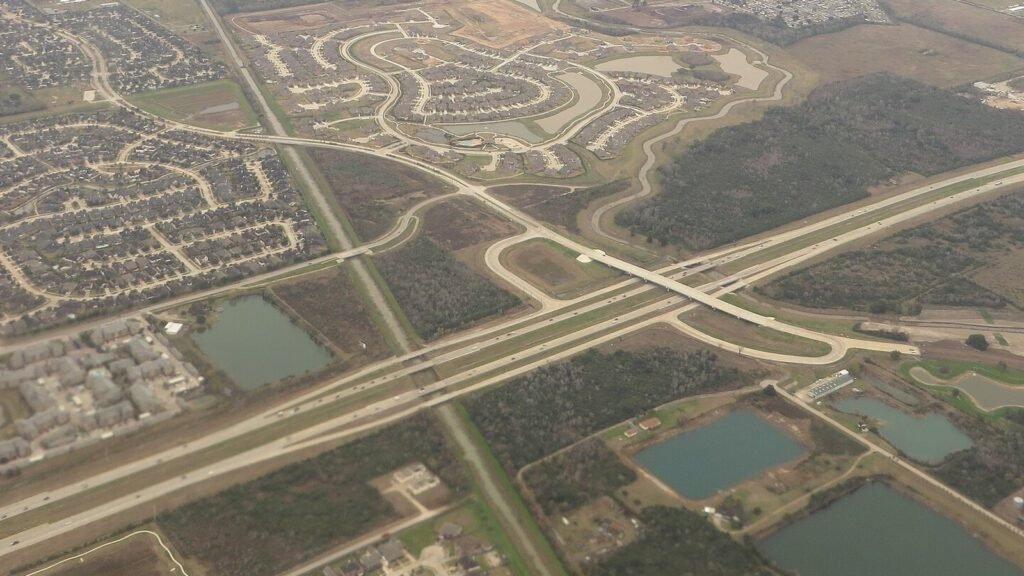
Featured image: “New home in northwest Austin, Texas” by Matthew Rutledge, via Wikimedia Commons, licensed CC BY 2.0 (cropped).