How to design a family-friendly home that is safe, stylish and practical: childproofing beyond the basics, durable materials, smart layouts and built-in storage.
November 18, 2026
Home improvement · Real estate · Life around the house

How to design a family-friendly home that is safe, stylish and practical: childproofing beyond the basics, durable materials, smart layouts and built-in storage.
 Mai
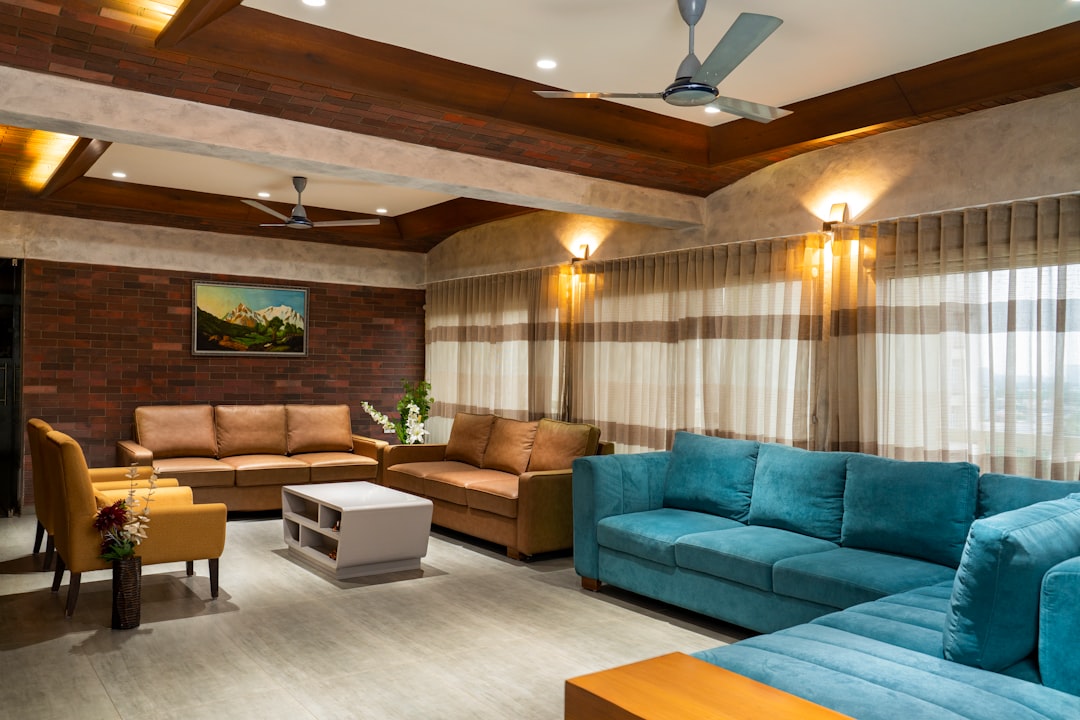
Table of Contents
ToggleCreating a Safe, Stylish, and Practical Family-Friendly Home Design
The concept of a family-friendly home transcends mere accommodation; it represents an environment that actively supports the well-being, development, and daily routines of all its inhabitants, from the youngest child to the oldest adult. Designing such a space requires a considered approach, blending safety, functionality, and aesthetic appeal. This often involves anticipating the needs of a growing family, acknowledging the inevitable wear and tear that comes with everyday life, and ensuring that the home remains a sanctuary that adapts to changing circumstances. The following discussion delves into key considerations for achieving this balance.
Safety is the foundational element of any family-friendly home. It encompasses not only immediate hazards but also long-term considerations that contribute to a secure living environment. This requires a proactive mindset, identifying potential risks and implementing preventive measures throughout the design and furnishing process. If you use portable heaters at home, check the DREO space heater recall.
Childproofing often conjures images of outlet covers and cabinet latches, but a truly family-friendly design integrates safety at a more profound level. This begins with architectural considerations. Families with a ceiling-mounted swing should also read our guide to the Harkla sensory swing recall and how to inspect the hook.
The choice of flooring plays a significant role in preventing injuries. While hard surfaces like tile and hardwood are aesthetically pleasing and durable, they can be unforgiving in the event of a fall.
Consider areas where children are most likely to be active, such as playrooms or living areas. Incorporating softer, more absorbent materials can mitigate the impact of falls. This might include:
Uneven transitions between flooring types can create tripping hazards. Ensure that all floor surfaces meet seamlessly, with minimal or no noticeable lips or edges. Professional installation can help achieve these smooth transitions.
Stairs, while necessary, can pose a significant risk to young children and older adults. A well-designed staircase incorporates several safety features. Fall risks also show up on DIY gear; if you store a multi-position ladder at home, check our guide to the Little Giant Rapid Lock ladder recall for how to tell whether yours is included.
Handrails should be sturdy and securely attached, providing ample support. Balusters (the vertical bars on the railing) should be spaced closely enough to prevent a child from slipping through. The recommended spacing is typically no more than four inches.
For very young children, adjustable stair gates at the top and bottom of staircases are essential. Consider gates that can be permanently installed for greater security, rather than pressure-mounted options. The risers, the vertical part of each step, should be solid to prevent children from getting limbs caught underneath. Avoid open risers wherever possible.
Windows, especially those on upper floors, require careful consideration.
The installation of window guards or screens that can support the weight of a falling child is paramount. Window locks that limit the opening to a few inches are also crucial. It is important to note that these should not impede emergency egress.
Balconies and decks should have sturdy railings that meet safety codes. The height and spacing of balusters are as important here as on staircases. Ensure there are no furniture items or planters positioned in a way that could be used to climb over the railing.
The materials used throughout the home contribute to both its longevity and the health of its occupants.
Families, particularly those with young children, benefit from materials that do not off-gas harmful volatile organic compounds (VOCs).
Opt for low-VOC or zero-VOC paints for walls and trim. Natural finishes, such as beeswax or plant-based oils for wood, are also preferable to conventional varnishes and lacquers.
Beyond cushioning, consider the inherent safety of flooring and furniture materials. Solid wood furniture, free from formaldehyde glues, is a good choice. Natural fiber carpets and rugs, free from harsh chemical treatments, contribute to better indoor air quality.
The reality of family life often involves spills, smudges, and general wear and tear. Selecting materials that are easy to clean and resist stains can significantly reduce maintenance burdens and maintain a hygienic environment.
For kitchens and bathrooms, durable and non-porous materials are ideal. Quartz, granite (properly sealed), and high-quality laminate can offer good resistance to stains and are relatively easy to wipe down.
In living areas, choose upholstery fabrics that are stain-resistant and can be easily cleaned. Performance fabrics, often treated to repel liquids and dirt, are a practical choice. Microfiber and certain synthetic blends are also known for their durability and ease of maintenance.
A family-friendly home excels in its ability to support the myriad activities of daily life. This involves thoughtful spatial planning, efficient storage solutions, and the creation of zones that cater to different needs.
The way spaces are arranged and flow into one another directly impacts the practicality of a home.
While open-concept layouts are popular for their sense of spaciousness, they can benefit from subtle zoning to delineate different functional areas.
The kitchen as the “heart of the home” often benefits from integration with dining and living spaces, allowing parents to supervise children while preparing meals or engaging in other activities. This might involve:
Creating distinct areas for play and study, even within a larger open space, promotes focus and organization.
Understanding how family members move through the home is crucial for preventing congestion and making daily routines smoother.
Long, narrow hallways can become bottlenecks. Consider designs that minimize overly long corridors and ensure that doorways don’t open directly into high-traffic areas where they could be a hazard.
A well-designed mudroom or functional entryway is essential for managing the clutter associated with comings and goings.
Effective storage is not just about having enough places to put things; it’s about having the right kind of storage in the right places to keep the home organized and clutter-free.
Utilizing vertical space is key to efficient storage, especially in smaller homes.
Custom-built shelving units, cabinets that extend to the ceiling, and integrated wardrobes can significantly increase storage capacity without encroaching on floor space.
Wall-mounted shelves for books and decorative items, as well as wall-mounted cabinets in bathrooms and kitchens, can free up floor space and improve accessibility.
The ability to conceal items is vital for maintaining a calm and organized living environment.
Kitchens can benefit from deep pantries and integrated cabinetry that neatly stores appliances, food, and cleaning supplies. Blumotion drawers and soft-close hinges contribute to a seamless and quiet operation.
For children’s rooms or play areas, consider storage systems that are both accessible for children and allow for easy cleanup. Bins, baskets, and under-bed storage solutions can help manage toy clutter. Modular systems that can adapt as children’s needs change are also a valuable investment.
Furniture that offers hidden storage, such as ottomans with lift-up lids or beds with built-in drawers, can serve a dual purpose and maximize space efficiency.
A truly family-friendly home is one that can adapt to the changing needs of its occupants as they grow and develop.
Designing rooms with the potential for multiple uses can extend the lifespan of the home’s utility.
A room designated as a guest room can easily be reconfigured depending on the family’s needs. For instance, it could serve as a playroom for young children or a home office for older children or adults. Wall beds or modular furniture can facilitate these transformations.
Basements and attics, often underutilized, can be transformed into versatile spaces. These areas can house home theaters, hobby rooms, or additional living quarters for extended family.
As families age, the needs of their members may shift. Incorporating elements that support aging in place can future-proof the home.
Designing bathrooms with wider doorways, walk-in showers with grab bars, and adjustable showerheads can accommodate individuals with mobility challenges. Consider non-slip flooring and the placement of essential fixtures within easy reach.
Ensuring that doorways and hallways are sufficiently wide to accommodate wheelchairs or walkers can make a significant difference in long-term accessibility. Retrofitting existing homes may require some structural modifications.
A family-friendly home does not need to resemble a sterile institution. Integrating style ensures that the space is not only functional but also visually appealing and a pleasant place to inhabit.
The key to stylish family-friendly design lies in selecting materials that are both aesthetically pleasing and built to last.
Incorporating natural materials can add warmth, depth, and sophistication to a home.
Warm wood tones in flooring, cabinetry, or decorative elements can create a welcoming atmosphere. Opt for durable hardwood or engineered wood options that can withstand wear and tear.
Natural stone, such as granite or marble (with appropriate sealing and care), can add a touch of luxury to countertops and backsplashes. Ceramic or porcelain tiles offer a wide range of styles and are highly durable and easy to clean.
When selecting fabrics for upholstery, curtains, and rugs, prioritize quality and durability.
As mentioned previously, performance fabrics are engineered for stain resistance and ease of cleaning, making them an excellent choice for high-use areas. These fabrics come in a vast array of colors, patterns, and textures.
While 100% natural fibers like silk or linen may be too delicate for everyday family use, blends can offer the aesthetic appeal of natural fibers with enhanced durability and easier maintenance. Look for cotton or wool blends.
The choice of colors and finishes can significantly influence the mood and perception of a space.
Starting with a neutral base palette for walls and large furniture pieces can create a sense of calm and provide a versatile backdrop for other design elements.
These colors are not only timeless but also forgiving of minor scuffs and marks. They also create a serene environment that can promote relaxation.
Injecting personality into a home can be achieved through strategic use of color and pattern.
Bold accent walls, colorful throw pillows, patterned rugs, or artwork can introduce vibrancy and personal style without overwhelming the space. These elements are also easier to update or change as trends and preferences evolve.
For areas prone to scuffs, such as dining rooms or hallways, consider durable, washable wallpaper. Many modern wallpapers are designed for easy cleaning and can add visual interest.
Effective lighting is essential for both the functionality and the aesthetic appeal of a home.
A layered approach to lighting, incorporating ambient, task, and accent lighting, creates a more dynamic and functional space.
General illumination from ceiling fixtures, recessed lighting, or floor lamps provides overall brightness. Dimmable options are beneficial for adjusting the mood.
This type of lighting is focused on specific activities. Examples include under-cabinet lighting in the kitchen for food preparation, reading lamps beside seating areas, and desk lamps for study spaces.
Accent lighting is used to highlight architectural features, artwork, or decorative objects, adding visual interest and depth to a room.
Prioritizing natural light can enhance the mood of a home and reduce the reliance on artificial lighting during the day.
Designing with ample, well-placed windows can flood rooms with natural light. Consider the orientation of the house to maximize sunlight during key hours.
Sheer curtains or blinds made from light-colored, semi-opaque materials can diffuse natural light, preventing harsh glare while still illuminating the space.
Beyond general room layouts, creating specific zones for different activities can greatly enhance the functionality and enjoyment of a family home.
The kitchen is often the hub of family activity, requiring thoughtful design to balance cooking, eating, and socializing.
A well-designed kitchen prioritizes efficient workflow and ergonomic considerations to make cooking and meal preparation a more pleasant experience.
The classic “work triangle” connecting the sink, refrigerator, and stove remains a useful concept for optimal kitchen layout. Ensure ample counter space between these key areas.
Sufficient counter space is crucial for food preparation, plating, and even temporary staging of items. Consider extending counter space with islands or peninsulas.
Modern kitchens often incorporate informal seating areas to encourage family interaction.
A dedicated breakfast nook or bar seating at a kitchen island provides a casual space for quick meals, homework, or conversation while cooking.
For a sleek and modern aesthetic, consider integrated appliances that blend seamlessly with cabinetry. This enhances the visual appeal of the kitchen while also being practical for cleaning around them.
Creating comfortable and inviting areas for relaxation and entertainment is essential for family well-being.
The living room should be a space where the family can gather, unwind, and connect.
Invest in comfortable, durable seating that can withstand frequent use. Sectionals and sofas with stain-resistant upholstery are practical choices.
Consider furniture arrangements that can be easily adapted for different purposes, whether it’s movie nights, game nights, or quiet reading.
If space allows, dedicated rooms for hobbies or media can provide valuable escape and entertainment options.
For media rooms or music rooms, soundproofing can be crucial to prevent noise disruption to other parts of the house.
These units can provide organized storage for media equipment, games, and other entertainment essentials, contributing to a tidy and visually appealing space.
While communal spaces are important, ensuring that each family member has a private retreat is equally vital for personal well-being.
Bedrooms should be designed as personal sanctuaries, offering comfort and functionality.
Adequate closet space and dresser storage are essential for keeping bedrooms organized and clutter-free. Consider built-in wardrobes for maximizing space.
Allowing each family member to personalize their room with their preferred colors, decor, and furnishings fosters a sense of ownership and comfort.
As remote work and home-based learning become more prevalent, dedicated home offices and study spaces are increasingly important.
For extended periods of work or study, investing in ergonomic desks and chairs is crucial for promoting comfort and preventing strain.
Ensure that these spaces have sufficient task lighting and easy access to power outlets and internet connectivity.
| Category | Metrics |
|---|---|
| Safety | Number of childproofing features |
| Stylishness | Percentage of stylish yet child-friendly furniture |
| Practicality | Amount of storage solutions |
| Accessibility | Number of accessible features for all family members |
A family-friendly home design should also consider its environmental impact and long-term financial value. Incorporating sustainable practices not only benefits the planet but can also lead to reduced utility costs and a more comfortable living environment.
Reducing energy consumption is a key aspect of sustainable home design.
Proper insulation in walls, roofs, and floors is crucial for maintaining a stable indoor temperature, reducing the need for excessive heating and cooling. High-performance windows, such as double or triple-glazed units, further enhance energy efficiency.
Mindful water usage is another important consideration.
Installing low-flow showerheads, faucets, and toilets can significantly reduce water consumption without compromising performance.
If the home has an outdoor space, opting for drought-tolerant plants and efficient irrigation systems can conserve water outdoors.
The selection of building materials has a significant impact on a home’s ecological footprint.
Prioritizing materials that are recycled, recyclable, or made from renewable resources can reduce the demand for virgin materials. Examples include reclaimed wood, recycled metal, and bamboo.
Sourcing materials locally whenever possible reduces transportation-related emissions and supports local economies.
Smart home technology can contribute to both energy efficiency and enhanced convenience for families.
These systems allow for automated adjustments of heating, cooling, and lighting based on occupancy and time of day, optimizing energy usage.
These systems provide real-time data on energy consumption, allowing homeowners to identify areas where they can reduce their usage.
By thoughtfully integrating these principles, families can create homes that are not only safe, stylish, and practical but also contribute to a healthier, more sustainable future. The emphasis should always be on creating a living environment that serves the diverse needs of its occupants now and for years to come.
Family-friendly home design includes features such as rounded furniture edges, non-toxic materials, ample storage for toys and other items, and easy-to-clean surfaces.
You can make your home stylish and family-friendly by choosing durable and stain-resistant materials, incorporating fun and colorful accents, and selecting furniture with both style and functionality.
Practical ideas for family-friendly home design include creating designated play areas, installing safety gates and locks, using washable slipcovers, and incorporating multi-functional furniture pieces.
To ensure a safe home for children and pets, you can install childproof locks on cabinets and drawers, secure heavy furniture to the wall, use cordless window treatments, and choose non-toxic plants.
Budget-friendly ways to implement family-friendly design in your home include DIY projects, shopping for secondhand furniture, repurposing items for storage, and using washable, durable materials.

Mai is Candy Bird's go-to writer for everything around the house, from repairs and DIY fixes to smart storage, energy-saving upgrades and buying or selling a home. Her advice is practical, easy to follow and comes with a touch of humor, whether you're a first-time homeowner or a seasoned DIYer.
More from this writer →Five minutes, every weekend. Free.

Practical guides for the place you live: fixing it up, decorating it, keeping it running, and buying, selling or renting it.
© 2026 Candy Bird. All rights reserved.
Candy Bird is ad-supported. Our guides are general information, not professional, legal or financial advice: check with a licensed contractor, agent or lender before big decisions.