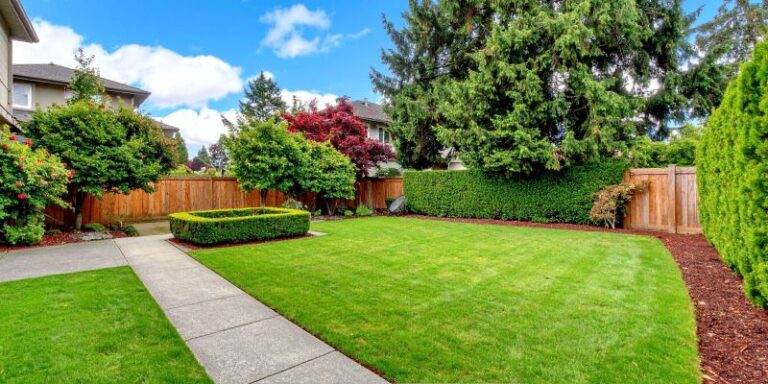
Backyard landscaping serves as a canvas for homeowners to express their creativity and enhance the beauty of their outdoor spaces. It is not merely about planting flowers or laying down sod; it encompasses a holistic approach to designing an environment that reflects personal style while also being functional. A well-thought-out landscape can transform an ordinary backyard into a serene retreat, a vibrant entertainment area, or a playful haven for children.
The possibilities are endless, and with careful planning, anyone can create a backyard that meets their needs and desires. The process of landscaping involves several elements, including the selection of plants, the arrangement of hardscapes, and the incorporation of features that promote relaxation and enjoyment. Homeowners often find that investing time and resources into their backyards not only enhances their property value but also provides a sanctuary for family gatherings, quiet moments, and outdoor activities.
As they embark on this journey, they should consider their lifestyle, preferences, and the unique characteristics of their space to create a harmonious outdoor environment.
Key Takeaways
- Backyard landscaping enhances outdoor living by combining functionality and aesthetics.
- Water features and fire pits add ambiance and focal points to your yard.
- Vertical gardens and native plants maximize space and promote sustainability.
- Outdoor lounges and custom kitchens create inviting areas for relaxation and entertaining.
- Creative lighting and themed gardens, like Zen meditation spaces, elevate the backyard experience.
Incorporating Water Features
Water features can add a soothing element to any backyard landscape, creating a sense of tranquility and enhancing the overall aesthetic. From small fountains to large ponds, the sound of flowing water can drown out the noise of the outside world, providing a peaceful retreat for homeowners and their guests. The choice of water feature often depends on the size of the yard and the desired ambiance.
For instance, a simple birdbath can attract local wildlife while adding charm, whereas a koi pond can serve as a stunning focal point that invites contemplation. In addition to their visual appeal, water features can also support local ecosystems by providing habitats for various species. Homeowners may choose to incorporate native plants around these features to create a cohesive look while promoting biodiversity.
Furthermore, water features can be designed to include lighting elements that illuminate the water at night, creating a magical atmosphere that enhances evening gatherings. By thoughtfully integrating water into their landscaping, homeowners can cultivate an inviting space that encourages relaxation and connection with nature.
Creating a Cozy Fire Pit Area
A fire pit area can serve as the heart of outdoor gatherings, providing warmth and a focal point for social interactions. This feature invites friends and family to gather around, share stories, roast marshmallows, and enjoy each other’s company under the stars. When designing a fire pit area, homeowners should consider the layout and materials that will best suit their style and needs.
Options range from built-in stone fire pits to portable models that can be moved as desired. To enhance the coziness of the fire pit area, comfortable seating is essential. Homeowners might opt for built-in benches or arrange outdoor furniture in a circular formation around the fire pit.
Adding soft cushions and throws can further elevate the comfort level, making it an inviting space for relaxation. Additionally, incorporating surrounding landscaping elements such as low shrubs or decorative stones can create a sense of enclosure, making the area feel more intimate. With careful planning, a fire pit area can become a cherished spot for creating lasting memories.
Using Vertical Gardens for Small Spaces
For those with limited outdoor space, vertical gardens offer an innovative solution to maximize greenery without sacrificing valuable ground area. These gardens utilize vertical structures such as trellises, wall-mounted planters, or even repurposed pallets to create lush displays of plants that draw the eye upward. This approach not only adds visual interest but also allows homeowners to cultivate a variety of plants in confined spaces.
Vertical gardens can be tailored to suit individual preferences, whether one desires an herb garden for culinary use or a vibrant display of flowering plants for aesthetic appeal. Additionally, they can improve air quality and provide insulation for homes by acting as natural air filters. Homeowners may also consider incorporating drip irrigation systems to ensure that their vertical gardens receive adequate moisture without excessive maintenance.
By embracing vertical gardening techniques, individuals can transform small backyards into vibrant green sanctuaries.
Designing a Relaxing Outdoor Lounge
| Backyard Landscaping Idea | Estimated Cost | Time to Complete | Maintenance Level | Popularity (%) |
|---|---|---|---|---|
| Patio with Pavers | 1500 – 4000 | 1-2 weeks | Medium | 75 |
| Raised Garden Beds | 200 – 800 | 2-4 days | High | 60 |
| Water Feature (Fountain or Pond) | 1000 – 3000 | 1-2 weeks | High | 50 |
| Outdoor Fire Pit | 500 – 1500 | 3-5 days | Low | 65 |
| Deck Installation | 2000 – 6000 | 2-3 weeks | Medium | 70 |
| Native Plant Garden | 300 – 1000 | 1 week | Low | 55 |
| Outdoor Lighting | 400 – 1200 | 2-4 days | Low | 80 |
| Vertical Garden | 250 – 900 | 3-5 days | Medium | 45 |
An outdoor lounge serves as an extension of the home, providing a comfortable space for relaxation and leisure. When designing this area, homeowners should prioritize comfort and functionality while considering their personal style. Plush seating options such as sofas or lounge chairs can create an inviting atmosphere, while coffee tables or side tables provide convenient surfaces for drinks and snacks.
To enhance the lounge experience, homeowners might incorporate shade structures such as pergolas or umbrellas to protect against harsh sunlight. Adding decorative elements like outdoor rugs, throw pillows, and ambient lighting can further elevate the space’s aesthetic appeal. Additionally, integrating natural elements such as potted plants or hanging greenery can create a seamless connection between indoor and outdoor living.
By thoughtfully designing an outdoor lounge, homeowners can create a serene retreat that encourages relaxation and enjoyment.
Building a Custom Outdoor Kitchen
An outdoor kitchen is an excellent way to elevate backyard entertaining by providing a dedicated space for cooking and dining al fresco. Homeowners can customize their outdoor kitchens to suit their culinary preferences and lifestyle needs. Essential components may include a grill, countertop space for food preparation, and storage for utensils and cookware.
Some may even choose to incorporate appliances like refrigerators or pizza ovens for added convenience. The design of an outdoor kitchen should harmonize with the overall landscape while ensuring functionality. Homeowners might opt for durable materials such as stone or stainless steel that withstand the elements while maintaining aesthetic appeal.
Additionally, creating an adjacent dining area with comfortable seating allows guests to enjoy meals outdoors while engaging in conversation with the chef. By investing in a custom outdoor kitchen, homeowners can transform their backyards into vibrant hubs for culinary creativity and social gatherings.
Adding a Play Area for Kids
Creating a play area for children is essential for families looking to maximize their backyard’s potential while ensuring that kids have a safe space to explore and play. This area can be designed with various features such as swingsets, climbing structures, or sandbox areas that encourage physical activity and imaginative play. Safety should be a top priority when designing this space; using soft materials like mulch or rubber mats can help cushion falls and prevent injuries.
In addition to traditional play equipment, homeowners might consider incorporating natural elements such as logs or boulders that children can climb on or explore. Creating designated zones within the play area allows for different types of activities—such as quiet reading nooks or art stations—catering to various interests and age groups. By thoughtfully designing a play area in the backyard, families can foster creativity and active play while ensuring children have a safe environment to enjoy.
Planting a Lush Garden with Native Plants
Planting native plants is an excellent way to create a lush garden that thrives in its local environment while supporting local wildlife. Native plants are adapted to the local climate and soil conditions, requiring less maintenance than non-native species once established. They also provide essential habitats for pollinators such as bees and butterflies, contributing to biodiversity in the backyard ecosystem.
Homeowners should research which native plants are best suited for their region and consider incorporating a variety of species to create visual interest throughout the seasons. Grouping plants with similar water and sunlight needs can simplify maintenance while ensuring that each plant flourishes in its designated spot. Additionally, incorporating pathways or borders made from natural materials can enhance the garden’s overall design while allowing easy access for maintenance tasks.
By embracing native planting practices, homeowners can cultivate beautiful gardens that are both sustainable and ecologically beneficial.
Installing Creative Lighting for Ambiance
Lighting plays a crucial role in enhancing the ambiance of any backyard landscape, allowing homeowners to enjoy their outdoor spaces long after sunset. Creative lighting solutions can transform ordinary areas into enchanting retreats by highlighting architectural features, illuminating pathways, or creating cozy nooks for relaxation. Options range from string lights draped over patios to solar-powered lanterns placed along walkways.
When planning outdoor lighting, homeowners should consider layering different types of lighting—such as ambient, task, and accent lighting—to achieve a balanced effect. For instance, soft ambient lighting can create a warm atmosphere for gatherings, while task lighting near cooking areas ensures safety during meal preparation. Additionally, strategically placing lights near water features or gardens can draw attention to these focal points while enhancing nighttime enjoyment of the landscape.
By thoughtfully incorporating lighting into their backyard design, homeowners can create inviting spaces that come alive after dark.
Creating a Zen-inspired Meditation Garden
A meditation garden offers an opportunity for homeowners to cultivate mindfulness and tranquility within their backyards. This type of garden typically features elements such as gravel paths, carefully placed stones, water features, and minimalistic plantings that promote peace and reflection. The design should encourage visitors to slow down and engage with nature through contemplation or meditation.
Incorporating sensory elements like fragrant plants or wind chimes can enhance the meditative experience while creating an atmosphere conducive to relaxation. Homeowners may also choose to include seating areas where individuals can sit quietly or practice yoga amidst nature’s beauty. By designing a Zen-inspired meditation garden, individuals can carve out personal sanctuaries within their backyards—spaces dedicated solely to self-care and rejuvenation.
Conclusion and Final Tips for Backyard Landscaping Success
Backyard landscaping is an exciting journey that allows homeowners to express their creativity while enhancing their outdoor living spaces. By incorporating various elements such as water features, cozy fire pits, vertical gardens, and thoughtful lighting solutions, individuals can create environments that reflect their personal style and cater to their lifestyle needs. The key lies in careful planning—considering factors like space limitations, climate conditions, and intended use will ensure successful outcomes.
As they embark on this landscaping adventure, homeowners should remain open to experimentation and adaptation throughout the process. Engaging with local gardening communities or seeking professional advice can provide valuable insights into best practices tailored to specific regions or preferences. Ultimately, by investing time and effort into backyard landscaping projects, individuals can cultivate beautiful spaces that foster connection with nature and loved ones alike—transforming ordinary backyards into extraordinary retreats filled with joy and serenity.
FAQs
What are some popular backyard landscaping ideas?
Popular backyard landscaping ideas include creating garden beds, installing patios or decks, adding water features like fountains or ponds, building fire pits, planting trees and shrubs, and incorporating outdoor lighting.
How can I make my backyard more functional?
To make your backyard more functional, consider adding seating areas, outdoor kitchens or grills, play zones for children, storage solutions, and pathways to improve accessibility.
What types of plants are best for backyard landscaping?
The best plants for backyard landscaping depend on your climate and soil type, but commonly used plants include native shrubs, perennials, ornamental grasses, flowering plants, and drought-tolerant species.
How do I maintain my landscaped backyard?
Maintaining a landscaped backyard involves regular watering, pruning, fertilizing, mulching, weed control, and seasonal clean-up to keep plants healthy and the area tidy.
Can I landscape my backyard on a budget?
Yes, you can landscape your backyard on a budget by using native plants, repurposing materials, doing the work yourself, focusing on small projects, and prioritizing key areas for improvement.
What are some eco-friendly backyard landscaping ideas?
Eco-friendly ideas include using native plants, installing rain gardens, composting yard waste, using permeable paving materials, and incorporating wildlife habitats like bird feeders and butterfly gardens.
How do I choose the right style for my backyard landscaping?
Choosing the right style depends on your personal preferences, the architectural style of your home, the size and shape of your yard, and how you plan to use the space. Common styles include modern, rustic, tropical, and cottage garden.
Is professional help necessary for backyard landscaping?
Professional help is not always necessary but can be beneficial for complex projects, large-scale designs, or when you want expert advice on plant selection, soil preparation, and construction.