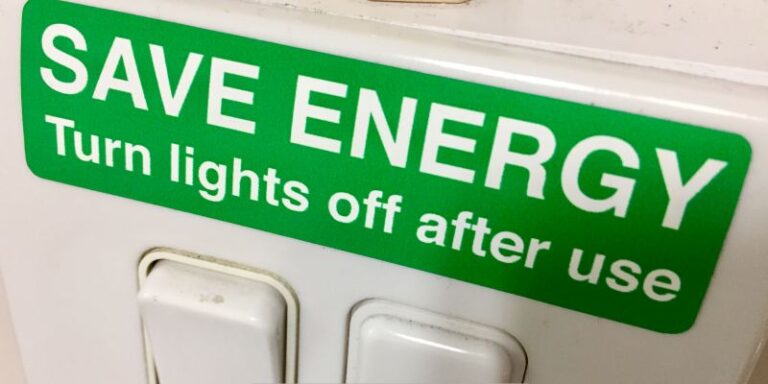
Energy efficiency represents the practice of using less energy to achieve the same level of service, output, or comfort. This approach has become increasingly important as global energy consumption continues to rise and concerns about climate change intensify. According to the International Energy Agency, energy efficiency improvements could contribute approximately 40% of the emissions reductions needed to meet global climate targets.
The concept operates on a simple principle: reducing energy waste while maintaining performance standards. This can be accomplished through various methods, including upgrading to more efficient technologies, improving building insulation, optimizing industrial processes, and modifying consumption behaviors. Energy efficiency measures typically focus on heating and cooling systems, lighting, appliances, transportation, and industrial equipment.
Economic benefits of energy efficiency are well-documented. The American Council for an Energy-Efficient Economy reports that every dollar invested in energy efficiency typically saves $2-4 in energy costs over the measure’s lifetime. For businesses, energy efficiency improvements can reduce operating expenses, increase competitiveness, and improve profit margins.
Residential consumers benefit from lower utility bills, increased property values, and improved comfort levels. Environmental impacts include reduced greenhouse gas emissions, decreased air pollution, and conservation of natural resources. Energy efficiency measures help reduce demand on power grids, potentially decreasing the need for new power plant construction and associated infrastructure investments.
These benefits have made energy efficiency a cornerstone of climate policy and sustainable development strategies worldwide.
Key Takeaways
- Energy efficiency reduces energy consumption and lowers utility bills through improved technologies and practices.
- Upgrading to energy-efficient lighting, appliances, and HVAC systems significantly cuts energy use.
- Proper insulation, weatherization, and energy-efficient windows enhance home comfort and reduce heating/cooling costs.
- Incorporating renewable energy solutions like solar panels supports sustainable energy use.
- Government incentives and rebates make adopting energy-efficient measures more affordable and accessible.
Energy Efficient Lighting Solutions
One of the most straightforward ways to enhance energy efficiency in homes and businesses is through the adoption of energy-efficient lighting solutions. Traditional incandescent bulbs consume a considerable amount of electricity and have a relatively short lifespan. In contrast, modern alternatives such as LED (Light Emitting Diode) and CFL (Compact Fluorescent Lamp) bulbs offer significant energy savings.
LEDs, for instance, use up to 80% less energy than incandescent bulbs and can last up to 25 times longer, making them a cost-effective choice in the long run. Moreover, the transition to energy-efficient lighting is not just about replacing bulbs; it also involves smart lighting design. Utilizing natural light through strategic window placement and reflective surfaces can reduce reliance on artificial lighting during daylight hours.
Additionally, incorporating motion sensors and dimmers can further optimize energy use by ensuring that lights are only on when needed. These innovations not only contribute to lower energy bills but also create a more comfortable and aesthetically pleasing environment.
Insulation and Weatherization
Insulation and weatherization are fundamental components of energy efficiency that often go overlooked. Proper insulation helps maintain a consistent indoor temperature by reducing heat transfer between the interior and exterior of a building. This means that during winter months, homes retain warmth, while in summer, they stay cool, leading to reduced reliance on heating and cooling systems.
Materials such as fiberglass, foam board, and spray foam are commonly used for insulation, each offering unique benefits depending on the specific needs of a structure. Weatherization complements insulation by sealing gaps and cracks that allow air leakage. Simple measures such as caulking windows and doors or adding weatherstripping can significantly enhance a building’s energy performance.
By preventing drafts and ensuring that conditioned air remains inside, homeowners can experience improved comfort levels while simultaneously lowering their energy consumption. The combination of effective insulation and thorough weatherization creates a more energy-efficient home that is both comfortable and cost-effective.
Energy Efficient Appliances
The advent of energy-efficient appliances has revolutionized the way households consume energy. From refrigerators to washing machines, modern appliances are designed with advanced technology that minimizes electricity usage without compromising performance. The Energy Star label is a widely recognized symbol that indicates an appliance meets strict energy efficiency guidelines set by the U.S.
Environmental Protection Agency. Choosing Energy Star-rated appliances can lead to substantial savings on utility bills over time. In addition to their efficiency, these appliances often come equipped with features that enhance user convenience.
For example, many modern dishwashers have sensors that adjust water usage based on load size, ensuring optimal performance while conserving resources. Furthermore, as technology continues to advance, manufacturers are developing smart appliances that can be controlled remotely via smartphones or integrated into home automation systems. This level of control allows users to monitor and manage their energy consumption more effectively, further promoting an energy-efficient lifestyle.
Smart Thermostats and HVAC Systems
| Upgrade Type | Average Energy Savings (%) | Typical Payback Period (Years) | Estimated CO2 Reduction (kg/year) | Common Materials Used |
|---|---|---|---|---|
| Insulation (Attic & Walls) | 15-30 | 3-7 | 500-1500 | Fiberglass, Cellulose, Spray Foam |
| Energy-Efficient Windows | 10-25 | 7-15 | 400-1200 | Double/Triple Pane Glass, Low-E Coatings |
| LED Lighting | 5-15 | 1-3 | 200-600 | LED Bulbs |
| High-Efficiency HVAC Systems | 20-40 | 5-10 | 800-2000 | Heat Pumps, Energy Star Furnaces |
| Solar Panels | 30-60 | 8-12 | 1500-4000 | Photovoltaic Cells |
| Smart Thermostats | 10-15 | 1-3 | 300-700 | Programmable Thermostats |
Smart thermostats represent a significant leap forward in home heating and cooling management. Unlike traditional thermostats, which require manual adjustments, smart thermostats learn user preferences over time and automatically adjust temperatures based on occupancy patterns. This capability not only enhances comfort but also leads to substantial energy savings by ensuring that heating or cooling systems operate only when necessary.
In conjunction with efficient HVAC (Heating, Ventilation, and Air Conditioning) systems, smart thermostats can optimize energy use throughout a home. Modern HVAC systems are designed with variable speed motors and advanced filtration systems that improve air quality while consuming less energy. By integrating these technologies, homeowners can create a more efficient climate control system that reduces energy waste and lowers monthly utility costs.
Solar Panels and Renewable Energy Solutions
The shift towards renewable energy sources has gained momentum in recent years, with solar panels leading the charge in residential energy efficiency. Solar photovoltaic (PV) systems convert sunlight into electricity, providing homeowners with a sustainable source of power that can significantly reduce reliance on fossil fuels. The installation of solar panels not only lowers electricity bills but also increases property value, making it an attractive investment for many.
In addition to solar panels, other renewable energy solutions such as wind turbines and geothermal systems are becoming increasingly popular. These technologies harness natural resources to generate clean energy, further contributing to a reduction in greenhouse gas emissions. As advancements in renewable technology continue to emerge, the potential for widespread adoption grows, paving the way for a more sustainable future.
Energy Efficient Windows and Doors
Windows and doors play a crucial role in a building’s overall energy efficiency. Poorly insulated or outdated windows can lead to significant heat loss during winter months and excessive heat gain during summer months. Energy-efficient windows are designed with advanced glazing techniques that minimize heat transfer while maximizing natural light.
Features such as low-emissivity (Low-E) coatings and argon gas fills enhance their insulating properties, making them an essential component of any energy-efficient home. Similarly, doors should be selected with energy efficiency in mind. High-quality exterior doors with proper sealing mechanisms prevent drafts and air leaks, contributing to improved thermal performance.
Homeowners can also consider storm doors or door sweeps as additional measures to enhance insulation. By investing in energy-efficient windows and doors, individuals can create a more comfortable living environment while reducing their overall energy consumption.
Water Saving Solutions
Water conservation is an integral aspect of energy efficiency that is often overlooked. The process of heating water accounts for a significant portion of household energy use; therefore, implementing water-saving solutions can lead to substantial energy savings as well. Low-flow fixtures such as showerheads, faucets, and toilets are designed to reduce water usage without sacrificing performance.
By installing these fixtures, homeowners can decrease their water consumption while simultaneously lowering their energy bills associated with water heating. Additionally, rainwater harvesting systems offer an innovative way to conserve water resources. By collecting rainwater from rooftops for irrigation or non-potable uses, homeowners can reduce their reliance on municipal water supplies.
This practice not only conserves water but also minimizes the energy required for water treatment and distribution. As awareness of water scarcity grows, integrating water-saving solutions into daily life becomes increasingly important for promoting sustainability.
Energy Efficient Home Design and Construction
The principles of energy efficiency should be integrated into home design and construction from the outset. Architects and builders are increasingly adopting sustainable design practices that prioritize energy efficiency throughout the building process. This includes selecting materials with low environmental impact, optimizing building orientation for natural light and ventilation, and incorporating renewable energy sources into the design.
Passive solar design is one approach that maximizes natural heating and cooling through strategic placement of windows and thermal mass materials. By harnessing the sun’s energy effectively, homes can maintain comfortable temperatures year-round without excessive reliance on mechanical heating or cooling systems. As society moves towards more sustainable living practices, the importance of thoughtful home design cannot be overstated.
Government Incentives and Rebates for Energy Efficiency
Governments around the world recognize the importance of promoting energy efficiency as part of broader environmental initiatives. Many offer incentives such as tax credits, rebates, or grants for individuals who invest in energy-efficient technologies or make improvements to their homes. These financial incentives can significantly offset the initial costs associated with upgrading appliances, installing solar panels, or enhancing insulation.
In addition to financial support, government programs often provide resources for education and awareness about energy efficiency practices. Workshops, informational websites, and community initiatives help individuals understand the benefits of adopting sustainable practices in their daily lives. By leveraging these incentives and resources, homeowners can make informed decisions that contribute to both personal savings and environmental stewardship.
The Benefits of Energy Efficiency
The journey towards greater energy efficiency is one that offers numerous benefits for individuals, communities, and the planet as a whole. By adopting energy-efficient practices across various aspects of daily life—from lighting solutions to home design—individuals can significantly reduce their carbon footprint while enjoying lower utility bills. The integration of advanced technologies such as smart thermostats and renewable energy sources further enhances these efforts.
As awareness grows regarding the importance of sustainability, the collective impact of individual actions becomes increasingly significant. Embracing energy efficiency not only fosters economic savings but also contributes to a healthier environment for future generations. Ultimately, the commitment to energy efficiency represents a vital step towards achieving a more sustainable future where both people and the planet can thrive together.
FAQs
What are energy efficient home upgrades?
Energy efficient home upgrades are improvements made to a home that reduce energy consumption, lower utility bills, and minimize environmental impact. These upgrades often include better insulation, energy-efficient windows, upgraded heating and cooling systems, and the installation of energy-saving appliances.
Why should I consider energy efficient home upgrades?
Energy efficient upgrades can significantly reduce your energy bills, increase the comfort of your home, and decrease your carbon footprint. Additionally, these improvements can increase the value of your property and may qualify you for tax credits or rebates.
What are some common energy efficient home upgrades?
Common upgrades include installing LED lighting, upgrading to Energy Star-rated appliances, adding insulation to walls and attics, sealing air leaks, installing programmable thermostats, and replacing old windows with double or triple-pane energy-efficient windows.
How much can I save with energy efficient home upgrades?
Savings vary depending on the type of upgrade and the size of your home. On average, homeowners can save 10% to 30% on their energy bills by implementing multiple energy-efficient improvements.
Are there any incentives for making energy efficient home upgrades?
Yes, many governments and utility companies offer incentives such as tax credits, rebates, and grants to encourage homeowners to make energy-efficient improvements. It is advisable to check local programs for specific eligibility and benefits.
Can energy efficient upgrades increase my home’s value?
Yes, energy efficient upgrades are attractive to buyers and can increase your home’s market value. Homes with lower operating costs and better environmental performance often sell faster and at higher prices.
How do I know which energy efficient upgrades are best for my home?
A professional energy audit can help identify areas where your home is losing energy and recommend the most cost-effective upgrades. Many utility companies offer free or discounted energy assessments.
Is it difficult to install energy efficient upgrades?
The difficulty varies by upgrade. Some improvements, like replacing light bulbs or installing a programmable thermostat, can be done by homeowners. Others, such as insulation or HVAC system upgrades, may require professional installation.
Do energy efficient upgrades require maintenance?
Most energy efficient upgrades require minimal maintenance. However, regular checks and servicing of systems like HVAC units and sealing of windows and doors can help maintain their efficiency over time.
Can energy efficient upgrades help reduce environmental impact?
Yes, by reducing energy consumption, these upgrades lower greenhouse gas emissions and decrease reliance on fossil fuels, contributing to a healthier environment.