How to get the most savings from home solar panels: assess your roof, sunlight and shading, and what to consider before you install.
November 19, 2026
Home improvement · Real estate · Life around the house

How to get the most savings from home solar panels: assess your roof, sunlight and shading, and what to consider before you install.
 Mai
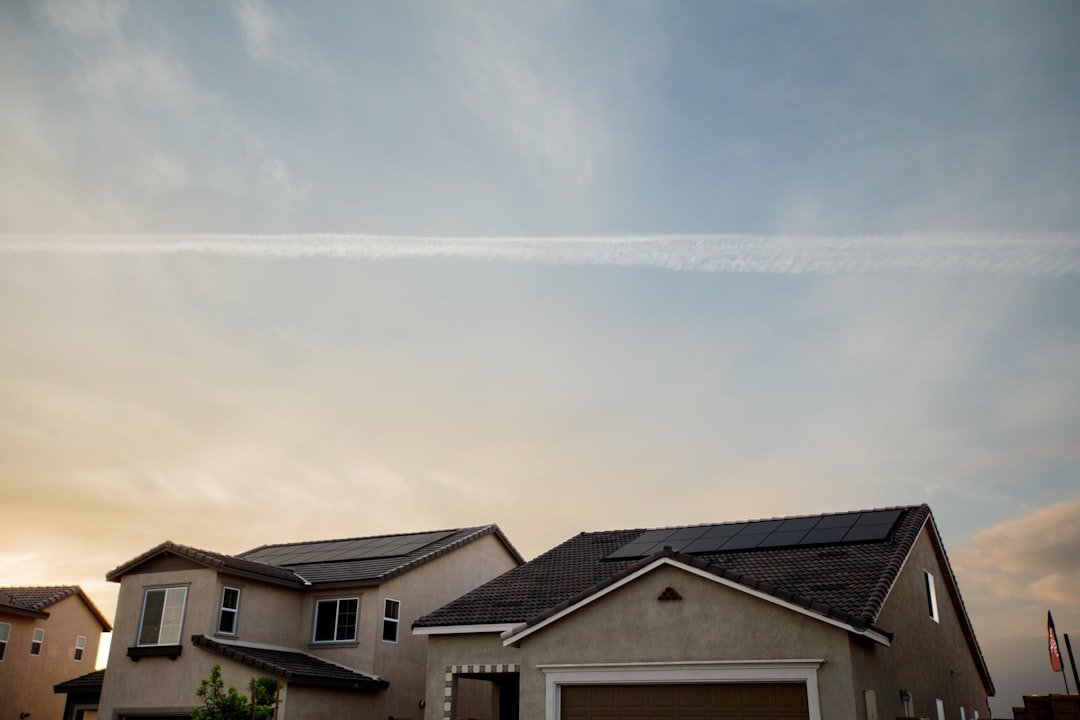
Table of Contents
ToggleThe adoption of solar panels in residential settings has gained significant traction in recent years, and for good reason. Homeowners are increasingly recognizing the myriad benefits that solar energy can provide. One of the most compelling advantages is the potential for substantial savings on electricity bills.
By harnessing the power of the sun, homeowners can generate their own electricity, reducing their reliance on traditional energy sources and, consequently, their monthly utility expenses. Over time, these savings can accumulate to a considerable sum, making solar panels a wise financial investment. In addition to cost savings, solar panels contribute to environmental sustainability.
By utilizing renewable energy, homeowners can significantly reduce their carbon footprint and contribute to a cleaner planet. This shift towards greener energy sources is not only beneficial for individual households but also plays a crucial role in combating climate change on a larger scale. Furthermore, many homeowners find that installing solar panels increases their property value, as prospective buyers often view homes equipped with renewable energy systems as more desirable.
Thus, the benefits of solar panels extend beyond immediate financial gains to encompass long-term environmental and economic advantages.
Homes located in areas with abundant sunlight are ideal candidates for solar energy systems, as they can maximize energy production throughout the year.
A south-facing roof typically receives the most sunlight, making it an ideal location for solar panel installation. The angle and size of the roof are also crucial factors to consider. A roof that is too steep or too flat may not be suitable for solar panels, while a larger roof area can accommodate more panels, leading to increased energy generation.
Conducting a shading analysis can help identify any obstacles that may hinder sunlight exposure, such as nearby trees or buildings. By thoroughly evaluating these factors, homeowners can make informed decisions about whether solar panels are a viable option for their property.
Selecting the appropriate solar panel system is a critical step in the transition to solar energy. Homeowners have various options available, including monocrystalline, polycrystalline, and thin-film solar panels. Monocrystalline panels are known for their high efficiency and sleek appearance but tend to come at a higher price point.
On the other hand, polycrystalline panels are generally more affordable but may have slightly lower efficiency rates. Thin-film panels offer flexibility and lightweight design but often require more space to produce the same amount of energy as their crystalline counterparts. In addition to panel type, homeowners must also consider the size of the system needed to meet their energy demands.
This involves analyzing past electricity usage and determining how much energy the solar system should generate. Consulting with a solar energy expert can provide valuable insights into system sizing and help homeowners make informed choices based on their specific needs and budget.
| Location | Energy Production (kWh) | Panel Tilt Angle | Panel Orientation |
|---|---|---|---|
| North-facing roof | 3200 | 30 degrees | Due south |
| East-facing roof | 2800 | 20 degrees | Due east |
| West-facing roof | 3000 | 25 degrees | Due west |
| Ground-mounted | 3500 | 35 degrees | Due south |
The placement of solar panels plays a pivotal role in maximizing energy production. Ideally, panels should be installed in locations that receive direct sunlight for the majority of the day. This often means positioning them on rooftops that face south or southwest, as these orientations capture the most sunlight throughout the year.
However, homeowners with less-than-ideal roof orientations can still benefit from ground-mounted systems or solar carports that can be strategically placed to optimize sun exposure. Additionally, it is crucial to consider potential shading from trees or nearby structures when determining panel placement. Even partial shading can significantly reduce a solar panel’s efficiency, so homeowners should take steps to minimize obstructions.
Regular maintenance, such as trimming overhanging branches or cleaning dust and debris from panels, can further enhance energy production and ensure that the system operates at peak performance.
Energy storage solutions have become increasingly popular among homeowners looking to maximize their solar power systems’ efficiency. Battery storage systems allow homeowners to store excess energy generated during sunny days for use during periods of low sunlight or at night. This capability not only enhances energy independence but also provides a backup power source during outages, ensuring that essential appliances remain operational.
When considering energy storage options, homeowners should evaluate their energy consumption patterns and select a battery system that aligns with their needs. Various types of batteries are available on the market, including lithium-ion and lead-acid batteries, each with its own advantages and disadvantages. By integrating an energy storage solution into their solar panel system, homeowners can optimize their energy usage and further reduce reliance on grid electricity.
For instance, switching to LED lighting can significantly reduce energy consumption compared to incandescent bulbs, allowing homeowners to make the most of their solar-generated electricity.
In addition to lighting, upgrading major appliances such as refrigerators, washing machines, and HVAC systems to ENERGY STAR-rated models can lead to substantial energy savings over time.
By combining solar power with energy-efficient technologies, homeowners can create a synergistic effect that amplifies their overall energy savings and reduces their environmental impact.
Once a solar panel system is installed, ongoing monitoring and management are essential to ensure optimal performance. Many modern solar systems come equipped with monitoring software that allows homeowners to track energy production in real-time. This technology provides valuable insights into how much electricity is being generated and consumed, enabling homeowners to identify any issues that may arise.
Regular performance checks can help detect problems such as decreased efficiency or malfunctioning components early on. Homeowners should also be aware of any changes in their electricity usage patterns that may affect system performance. By staying proactive in monitoring their solar panel systems, homeowners can ensure they continue to reap the benefits of renewable energy for years to come.
Government incentives and rebates play a significant role in making solar panel installations more affordable for homeowners. Many local and federal programs offer financial assistance or tax credits to encourage the adoption of renewable energy technologies. These incentives can substantially reduce the upfront costs associated with purchasing and installing solar panels.
Homeowners should research available programs in their area and consult with solar installation companies that are familiar with local incentives. By taking advantage of these financial opportunities, homeowners can make a more informed decision about investing in solar energy while maximizing their return on investment.
The integration of smart home technology can further enhance the efficiency of a solar panel system. Smart thermostats, for example, allow homeowners to optimize heating and cooling schedules based on real-time energy production data from their solar systems. This capability ensures that energy is used efficiently when it is most abundant while minimizing waste during periods of low production.
Additionally, smart home devices can provide insights into overall energy consumption patterns within the household. By analyzing this data, homeowners can make informed decisions about when to use certain appliances or adjust settings to align with peak solar production times. The combination of solar power and smart technology creates a comprehensive approach to energy management that maximizes savings and sustainability.
Choosing the right installation company is crucial for ensuring a successful transition to solar energy. Homeowners should seek out reputable companies with experience in residential installations and positive customer reviews. A professional installation team will not only ensure that the system is installed correctly but also provide valuable guidance throughout the process.
During consultations, homeowners should ask questions about warranties, maintenance services, and post-installation support. A reliable installation company will be transparent about costs and provide detailed information about system performance expectations. By partnering with professionals in the field, homeowners can feel confident in their investment in solar technology.
Proper maintenance is key to ensuring that a solar panel system operates efficiently over its lifespan. While solar panels generally require minimal upkeep, regular inspections are essential to identify any potential issues early on. Homeowners should periodically check for dirt or debris accumulation on panels that could obstruct sunlight exposure.
In addition to visual inspections, scheduling professional maintenance services every few years can help ensure that all components of the system are functioning optimally. This proactive approach not only extends the life of the system but also maximizes its energy production capabilities. By committing to regular maintenance and care, homeowners can enjoy the long-term benefits of their investment in solar power while contributing positively to environmental sustainability.
Solar panels for home are devices that convert sunlight into electricity, allowing homeowners to generate their own renewable energy.
Solar panels work by capturing sunlight and converting it into direct current (DC) electricity through the photovoltaic effect. This electricity is then converted into alternating current (AC) by an inverter, which can be used to power appliances and devices in the home.
Some benefits of installing solar panels for home include reducing electricity bills, decreasing reliance on fossil fuels, reducing carbon footprint, and potentially increasing the value of the home.
Before installing solar panels for home, factors such as the amount of sunlight the home receives, the available roof space, local regulations and incentives, and the upfront cost of installation should be considered.
Many governments and utility companies offer incentives, rebates, and tax credits for installing solar panels for home. These incentives can help offset the upfront cost of installation and make solar panels more affordable for homeowners.
The lifespan of solar panels for home can vary, but most panels are designed to last 25-30 years or more. Regular maintenance and proper installation can help extend the lifespan of solar panels.
While solar panels are most effective in direct sunlight, they can still generate electricity on cloudy or rainy days. However, their efficiency may be reduced during these conditions.

Mai is Candy Bird's go-to writer for everything around the house, from repairs and DIY fixes to smart storage, energy-saving upgrades and buying or selling a home. Her advice is practical, easy to follow and comes with a touch of humor, whether you're a first-time homeowner or a seasoned DIYer.
More from this writer →
Five minutes, every weekend. Free.

Practical guides for the place you live: fixing it up, decorating it, keeping it running, and buying, selling or renting it.
© 2026 Candy Bird. All rights reserved.
Candy Bird is ad-supported. Our guides are general information, not professional, legal or financial advice: check with a licensed contractor, agent or lender before big decisions.