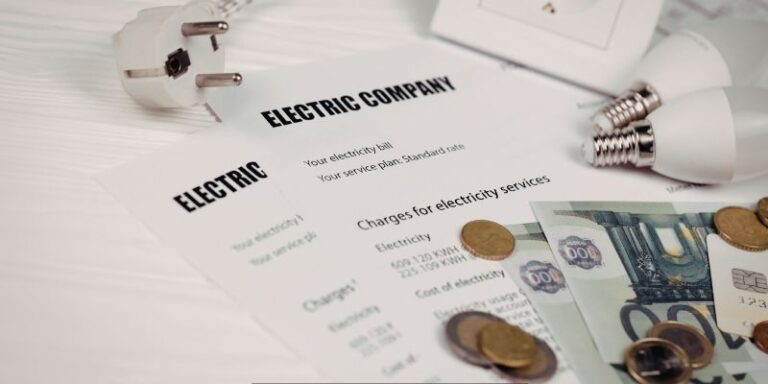
Understanding an electric bill can often feel like deciphering a foreign language. For many, the various charges and terms can be overwhelming, leading to confusion about what they are actually paying for each month. Typically, an electric bill includes several components: the energy consumed, the rate charged per kilowatt-hour, and additional fees such as delivery charges, taxes, and surcharges.
By breaking down these elements, individuals can gain a clearer picture of their energy consumption and costs. This understanding is crucial for identifying areas where savings can be made. Moreover, many utility companies provide detailed breakdowns of energy usage over time, allowing customers to compare their current consumption with previous months or even years.
This historical data can be invaluable for spotting trends and making informed decisions about energy use. By taking the time to analyze their electric bills, consumers can identify peak usage times and adjust their habits accordingly, ultimately leading to more efficient energy consumption and lower bills.
Key Takeaways
- Understanding your electric bill helps identify areas to save energy and reduce costs.
- Using energy-efficient appliances and light bulbs significantly lowers electricity consumption.
- Unplugging unused devices and utilizing smart power strips prevent unnecessary power drain.
- Adjusting your thermostat and insulating your home improve heating and cooling efficiency.
- Considering renewable energy sources and using electricity during off-peak hours can further cut expenses.
Energy-Efficient Appliances
Investing in energy-efficient appliances is one of the most effective ways to reduce electricity consumption in a household. These appliances are designed to use less energy while still providing the same level of performance as their traditional counterparts. For instance, Energy Star-rated refrigerators, washing machines, and dishwashers consume significantly less electricity than older models.
By replacing outdated appliances with energy-efficient options, homeowners can not only lower their monthly electric bills but also contribute to a more sustainable environment. In addition to the immediate financial benefits, energy-efficient appliances often come with long-term savings. While the initial purchase price may be higher, the reduction in energy costs over time can lead to substantial savings.
Furthermore, many utility companies offer rebates or incentives for purchasing energy-efficient appliances, making them even more appealing. As consumers become increasingly aware of their environmental impact, the shift towards energy-efficient appliances is likely to continue growing, benefiting both households and the planet.
Unplug Unused Devices
In today’s technology-driven world, many households are filled with devices that consume power even when they are not in use. This phenomenon is often referred to as “phantom load” or “vampire power.” Devices such as chargers, televisions, and computers can draw electricity even when turned off or in standby mode. By unplugging these unused devices, individuals can significantly reduce their energy consumption without sacrificing convenience or comfort.
To make this process easier, homeowners can implement simple strategies such as using power strips to group multiple devices together. By turning off a single power strip when devices are not in use, they can effectively cut off power to all connected devices at once. This not only saves energy but also extends the lifespan of electronics by reducing wear and tear from constant power flow.
By being mindful of their energy usage habits and taking proactive steps to unplug unused devices, consumers can make a meaningful impact on their electric bills.
Use Natural Light
Harnessing natural light is an effective way to reduce reliance on artificial lighting and lower electricity costs. During daylight hours, opening curtains and blinds can illuminate a home without the need for electric lights. This simple practice not only saves energy but also enhances the overall ambiance of a space, creating a warm and inviting atmosphere.
By strategically placing mirrors and reflective surfaces throughout a home, individuals can maximize the benefits of natural light, allowing it to bounce around and brighten even the darkest corners. In addition to reducing electricity usage during the day, utilizing natural light can also have positive effects on mental well-being. Exposure to sunlight has been linked to improved mood and increased productivity.
By designing living spaces that prioritize natural light—such as using skylights or larger windows—homeowners can create environments that are both energy-efficient and conducive to a healthier lifestyle. Embracing natural light is not just an eco-friendly choice; it is also a way to enhance the quality of life within a home.
Adjust Your Thermostat
| Method | Description | Estimated Savings (%) | Implementation Cost | Time to See Savings |
|---|---|---|---|---|
| Use LED Lighting | Replace incandescent bulbs with energy-efficient LED bulbs. | 10-15% | Low | Immediate |
| Install Programmable Thermostat | Automate heating and cooling schedules to reduce energy use. | 10-12% | Medium | 1-3 months |
| Unplug Idle Electronics | Disconnect devices when not in use to avoid phantom energy drain. | 5-10% | None | Immediate |
| Improve Home Insulation | Seal leaks and add insulation to reduce heating/cooling loss. | 15-20% | High | 6-12 months |
| Use Energy-Efficient Appliances | Replace old appliances with ENERGY STAR rated models. | 10-25% | High | 1-2 years |
| Wash Clothes in Cold Water | Reduce hot water use by washing clothes in cold water. | 5-10% | None | Immediate |
| Air Dry Laundry | Use clotheslines or drying racks instead of electric dryers. | 5-15% | None | Immediate |
| Use Ceiling Fans | Circulate air to reduce reliance on air conditioning. | 5-10% | Low | Immediate |
Adjusting the thermostat is a straightforward yet powerful method for managing energy consumption in a household. By setting the thermostat a few degrees lower in winter and higher in summer, individuals can significantly reduce heating and cooling costs. For instance, during colder months, wearing warmer clothing indoors can allow for a lower thermostat setting without sacrificing comfort.
Similarly, in warmer months, using fans or opening windows during cooler evenings can help maintain a comfortable temperature without relying heavily on air conditioning. Smart thermostats have emerged as an innovative solution for optimizing temperature control in homes. These devices learn user preferences over time and can automatically adjust settings based on occupancy patterns or even weather forecasts.
By utilizing smart technology, homeowners can ensure that their heating and cooling systems operate efficiently while minimizing unnecessary energy use. The combination of mindful thermostat adjustments and smart technology can lead to substantial savings on electric bills while maintaining a comfortable living environment.
Insulate Your Home
Proper insulation is essential for maintaining a comfortable indoor temperature while minimizing energy consumption. A well-insulated home prevents heat from escaping during winter months and keeps cool air inside during summer months. This not only enhances comfort but also reduces the workload on heating and cooling systems, leading to lower energy bills.
Common areas where insulation is needed include attics, walls, basements, and around windows and doors. Investing in high-quality insulation materials can yield significant long-term savings. Homeowners may consider options such as spray foam insulation or fiberglass batts to improve their home’s energy efficiency.
Additionally, sealing gaps and cracks around windows and doors with weatherstripping or caulk can further enhance insulation effectiveness. By prioritizing proper insulation, individuals can create a more energy-efficient home that remains comfortable year-round while reducing their overall carbon footprint.
Use Energy-Efficient Light Bulbs
Switching to energy-efficient light bulbs is one of the simplest yet most impactful changes individuals can make to reduce electricity consumption. Traditional incandescent bulbs consume significantly more energy than their modern counterparts, such as compact fluorescent lamps (CFLs) or light-emitting diodes (LEDs). These energy-efficient options not only use less electricity but also have longer lifespans, resulting in fewer replacements over time.
The transition to LED lighting has gained popularity due to its remarkable efficiency and versatility. LEDs consume up to 80% less energy than incandescent bulbs while providing the same level of brightness. Additionally, they emit less heat, making them safer for use in various fixtures around the home.
By replacing outdated bulbs with energy-efficient alternatives, homeowners can enjoy substantial savings on their electric bills while contributing to a more sustainable future.
Utilize Smart Power Strips
Smart power strips are an innovative solution for managing energy consumption in households filled with electronic devices. Unlike traditional power strips that simply provide multiple outlets, smart power strips are designed to detect when devices are not in use and automatically cut off power to them. This feature helps eliminate phantom load and ensures that energy is not wasted on devices that are turned off but still plugged in.
In addition to their energy-saving capabilities, smart power strips often come equipped with surge protection features that safeguard valuable electronics from power surges or spikes. Some models even allow users to control connected devices remotely through smartphone apps or voice commands via smart home assistants. By incorporating smart power strips into their homes, individuals can take proactive steps toward reducing energy consumption while enjoying added convenience and protection for their electronics.
Reduce Hot Water Usage
Hot water usage is another significant contributor to household energy consumption. Simple changes in daily routines can lead to substantial savings on electric bills related to water heating. For instance, taking shorter showers or using cold water for laundry whenever possible can significantly reduce hot water usage without sacrificing cleanliness or comfort.
Additionally, homeowners may consider installing low-flow showerheads and faucets that reduce water flow while maintaining pressure. Another effective strategy for reducing hot water usage is adjusting the temperature setting on water heaters. Many water heaters are set at higher temperatures than necessary; lowering the thermostat to around 120 degrees Fahrenheit can save both energy and money without compromising hot water availability for daily needs.
By being mindful of hot water usage habits and making small adjustments, individuals can contribute to lower electric bills while promoting more sustainable water heating practices.
Consider Renewable Energy Sources
As awareness of climate change grows, many homeowners are exploring renewable energy sources as a means of reducing their reliance on traditional electricity sources. Solar panels have become increasingly popular due to their ability to harness sunlight and convert it into usable electricity for homes. By installing solar panels on rooftops or in yards, individuals can generate their own clean energy while potentially lowering their electric bills significantly.
In addition to solar power, other renewable options such as wind turbines or geothermal systems may be viable depending on geographic location and available resources. While the initial investment for renewable energy systems may be substantial, government incentives and tax credits often help offset costs. Over time, homeowners who invest in renewable energy sources may find themselves enjoying reduced utility bills while contributing positively to environmental sustainability.
Take Advantage of Off-Peak Hours
Many utility companies offer lower rates during off-peak hours when demand for electricity is lower. By shifting high-energy activities—such as running dishwashers or doing laundry—to these off-peak times, consumers can take advantage of reduced rates and save money on their electric bills. Understanding peak versus off-peak hours is essential for maximizing these savings opportunities.
To facilitate this shift in behavior, homeowners may consider using timers or programmable appliances that allow them to schedule operations during off-peak hours automatically. For example, setting a dishwasher or washing machine to run overnight or during early morning hours can lead to significant savings over time without requiring major lifestyle changes. By being strategic about when they use electricity-intensive appliances, individuals can effectively manage their energy costs while contributing to a more balanced demand on the electrical grid.
In conclusion, there are numerous strategies available for reducing electricity consumption and managing electric bills effectively. From understanding electric bills better to investing in energy-efficient appliances and utilizing renewable energy sources, individuals have many options at their disposal. By adopting these practices into their daily lives, they not only save money but also contribute positively toward environmental sustainability—creating a win-win situation for both households and the planet.
FAQs
What are some effective ways to lower my electric bill?
Some effective ways to lower your electric bill include using energy-efficient appliances, turning off lights and electronics when not in use, utilizing programmable thermostats, sealing windows and doors to prevent drafts, and using LED lighting.
Does using LED bulbs really help reduce electricity costs?
Yes, LED bulbs use significantly less energy than traditional incandescent bulbs and last much longer, which can lead to noticeable savings on your electric bill over time.
How much can a programmable thermostat save on electricity?
A programmable thermostat can save you about 10-15% on heating and cooling costs by automatically adjusting the temperature when you are asleep or away from home.
Is it worth investing in energy-efficient appliances?
Yes, energy-efficient appliances typically use less electricity and can reduce your overall energy consumption, leading to lower electric bills and long-term savings despite a potentially higher upfront cost.
Can sealing windows and doors really impact my electric bill?
Absolutely. Sealing leaks around windows and doors helps maintain your home’s temperature, reducing the need for heating and cooling and thereby lowering your electric bill.
How does unplugging devices affect electricity usage?
Unplugging devices when they are not in use prevents “phantom” or standby power consumption, which can account for a small but significant portion of your electricity usage.
Are there any habits that can help reduce electricity consumption?
Yes, habits such as turning off lights when leaving a room, using natural light during the day, running full loads in dishwashers and washing machines, and avoiding excessive use of heating and cooling systems can help reduce electricity consumption.
Does adjusting my thermostat by a few degrees make a difference?
Yes, adjusting your thermostat by just 1-2 degrees can lead to noticeable savings on your electric bill, especially during extreme weather months.
Can solar panels help lower my electric bill?
Installing solar panels can significantly reduce your electric bill by generating your own electricity, though the initial investment and suitability depend on your location and home setup.
Are there any government programs or incentives to help lower electric bills?
Many regions offer rebates, tax credits, or incentives for energy-efficient upgrades and renewable energy installations. Check with your local utility or government energy office for available programs.