Key Takeaways
- Hospital-acquired infections (HAIs) are often preventable and may result from negligence in healthcare settings.
- Common causes include poor hygiene, inadequate sterilization, and improper antibiotic use.
- Legal recourse is available for patients harmed by negligent practices that lead to HAIs.
- Prevention requires strict adherence to protocols and accountability among healthcare providers.
Table of Contents
- Understanding Hospital-Acquired Infections
- Common Causes of HAIs
- When Negligence Leads to HAIs
- Legal Implications of HAIs Due to Negligence
- Preventive Measures to Reduce HAIs
- Real-Life Consequences of HAIs
- Seeking Legal Recourse
- Conclusion
Understanding Hospital-Acquired Infections
Hospital-acquired infections (HAIs), or nosocomial infections, are infections patients contract during treatment for unrelated conditions in a healthcare facility. These infections can manifest in various forms, affecting the urinary tract, surgical sites, bloodstream, or respiratory system. They are a leading cause of illness and can significantly complicate a patient’s recovery.
HAIs remain a persistent challenge within healthcare. In addition to impeding the healing process, they place a heavy burden on hospital resources and often lead to extended hospital stays, additional treatments, and higher financial costs for patients. If you or a loved one experiences complications from HAIs, consulting with Dunwoody medical malpractice lawyers can provide necessary guidance regarding your rights and legal options.
Common Causes of HAIs
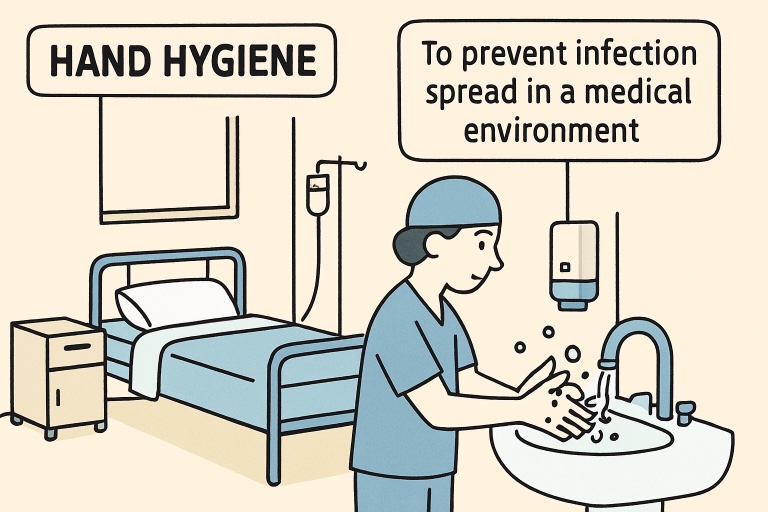
- Lapses in Hand Hygiene: Proper handwashing is one of the most effective ways to control infection. However, lapses in this basic protocol allow bacteria and viruses to pass from one patient to another easily.
- Improper Equipment Sterilization: Medical tools and devices used without proper cleaning and sterilization can introduce dangerous pathogens directly into patient tissue or the bloodstream.
- Unclean Hospital Environments: Rooms, beds, surfaces, and even air systems that are not regularly and effectively cleaned can serve as reservoirs for infectious agents.
- Antibiotic Mismanagement: When antibiotics are overprescribed or misused, it fosters the development of drug-resistant bacteria, which are far more challenging to treat if infections occur.
According to the World Health Organization (WHO), at any given time, 7 out of every 100 hospitalized patients in high-income countries and 10 in low- and middle-income countries will acquire at least one healthcare-associated infection. More information on reducing your risk as a patient can be found on the WHO’s patient safety resources.
When Negligence Leads to HAIs
Not every hospital-acquired infection is preventable, but research suggests that a significant proportion of HAIs could be prevented with current care practices and technologies. Negligence in a healthcare setting occurs when the staff fails to follow accepted medical standards or protocols, resulting in direct harm to a patient. Common examples include failing to follow established hand hygiene protocols, careless sterilization of surgical or diagnostic equipment, and failing to ensure that rooms and surfaces are thoroughly sanitized between patients.
Negligence can also arise from documentary failures, such as failing to keep accurate patient records or overlooking a patient’s risk factors for infection. The consequences for patients can be profound, resulting in complicated recoveries, prolonged hospitalizations, or even fatalities in severe cases. The World Health Organization provides additional guidance on patient safety and actionable steps hospitals should take to minimize risk.
Legal Implications of HAIs Due to Negligence
If an HAI is determined to have resulted from negligent care or protocols not being followed, patients have the right to pursue a claim against the facility or provider. To prove medical malpractice, it must be established that:
- The hospital or medical professional had a duty of care to the patient.
- This duty was breached by failing to follow accepted practices (for example, by not sterilizing equipment or by ignoring hygiene protocols).
- The breach directly caused the patient’s infection and resulting harm.
Medical malpractice claims require detailed medical records, expert testimony, and a thorough investigation of hospital procedures and staff conduct. Patients who suffer as a result of preventable HAIs may be entitled to compensation for additional medical bills, lost wages, pain and suffering, and other damages.
Preventive Measures to Reduce HAIs
- Emphasizing Hand Hygiene: Hospitals need to enforce strict handwashing policies among staff, patients, and visitors.
- Routine Sterilization: Medical tools and equipment should be sterilized consistently in accordance with recognized standards before each use.
- Environmental Cleaning: Patient rooms, operating theaters, and common areas must undergo regular, evidence-based cleaning procedures.
- Antibiotic Stewardship: Prudent use of antibiotics helps prevent the emergence of resistant organisms that make infections more challenging to treat.
Ongoing training and audits can help reinforce these protocols and ensure that both staff and administration remain vigilant in reducing HAI risks.
Real-Life Consequences of HAIs
Consider a scenario in which a patient is admitted for an uncomplicated orthopedic surgery. Due to improperly sterilized surgical tools, the patient develops a severe infection that ultimately spreads to their bloodstream. As a result, their hospital stay is extended by several weeks, additional surgeries are required, and intensive antibiotic therapy becomes necessary. The physical, financial, and psychological fallout can be devastating for the patient and their family.
These stories are not uncommon and underline the critical need for rigorous infection prevention strategies and accountability in every healthcare setting.
Seeking Legal Recourse
If you believe that negligence resulted in an HAI for you or your loved one, the path to justice starts with consulting a lawyer experienced in medical malpractice claims. They can evaluate the merits of your case, collect medical documentation and expert opinions, and guide you through filing a lawsuit. Acting promptly ensures essential evidence is preserved and that you have the most substantial possible claim for rightful compensation.
Conclusion
Hospital-acquired infections are a significant threat to patient health, particularly when they are preventable by established best practices. By understanding the causes and recognizing when negligence might be to blame, patients and their families can better advocate for safe and appropriate care. For those who have suffered from HAIs due to avoidable errors or lapses, pursuing legal action can provide the means for redress and help spotlight the importance of rigorous infection control in healthcare settings.