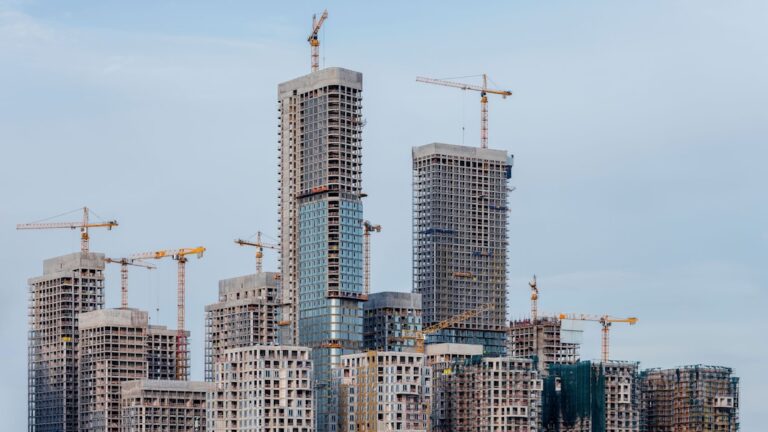
When considering a residential property, potential buyers often face a choice between existing homes and those newly built. New construction homes offer a distinct set of advantages that cater to a variety of needs and preferences. This article will explore these benefits in detail, providing a comprehensive overview for those embarking on the home-buying journey.
Modern Design and Functionality
New construction homes are typically built with current lifestyles and design trends in mind. This often translates to open-concept living spaces, which foster a sense of connection and adaptability for families and entertainers alike.
Optimized Layouts for Contemporary Living
Builders frequently prioritize efficient use of space, incorporating features that align with modern living. This can include larger kitchens with ample counter and storage space, dedicated home offices, and en-suite bathrooms in primary bedrooms. The flow of a new home is generally more intuitive and less compartmentalized than older properties, reflecting a shift away from formal, separate rooms.
Incorporating Energy-Efficient Features
Energy efficiency is a significant selling point for new construction. Modern building codes and consumer demand have driven the integration of advanced materials and technologies designed to reduce utility consumption and environmental impact.
Superior Insulation and Sealing
New homes often feature advanced insulation techniques and meticulous air sealing. This creates a more consistent indoor temperature, reducing the load on heating and cooling systems. Think of it as wrapping your home in a warm blanket, preventing heat loss in winter and heat gain in summer. This translates directly into lower energy bills.
High-Performance Windows and Doors
Double or even triple-paned windows with low-E coatings are standard in many new developments. These windows minimize heat transfer, further contributing to energy savings and enhanced comfort. Similarly, well-sealed, energy-efficient doors prevent drafts and energy leakage.
Efficient HVAC Systems
New homes are equipped with modern, energy-efficient heating, ventilation, and air conditioning (HVAC) systems. These systems are designed to operate at higher efficiency ratings than older models, consuming less energy to achieve desired indoor climates. Tankless water heaters, which heat water on demand, are also increasingly common, offering further energy savings.
Integration of Smart Home Technology
The “smart home” concept has moved from novelty to a standard consideration in new construction. Builders are increasingly integrating technology that allows for greater convenience, security, and energy management.
Connected Appliances and Systems
From thermostats that can be controlled remotely via smartphone to integrated security systems and lighting controls, new homes are often pre-wired or equipped with smart technology. This can automate daily tasks, enhance home security, and provide granular control over energy usage.
Future-Proofing for Technological Advancements
Even if a buyer does not immediately adopt all available smart home features, the underlying infrastructure in new construction is often designed to accommodate future technological upgrades. This forward-thinking approach can save homeowners significant expense and hassle down the line as technology evolves.
Reduced Maintenance and Immediate Livability
One of the most appealing aspects of new construction is the minimal immediate maintenance required compared to an older property. This offers a significant advantage for buyers seeking a hassle-free move-in experience.
Pristine and Unworn Components
Every aspect of a new construction home is, by definition, new. This means flooring, paint, fixtures, appliances, and structural components are all in pristine condition, free from the wear and tear of previous occupants. This eliminates the immediate need for replacements or extensive cosmetic upgrades.
Manufacturer Warranties on Appliances and Systems
New homes come with the significant benefit of manufacturer warranties on appliances, HVAC systems, plumbing, and electrical components. These warranties provide a safety net, covering the cost of repairs or replacements for a specified period, offering peace of mind and financial predictability for the initial years of ownership.
Long Lifespan of Building Materials
Modern building materials are engineered for durability and longevity. From roofing shingles designed to withstand extreme weather to robust framing and foundation systems, new construction homes are built with materials that are expected to last for decades, reducing the likelihood of major structural repairs in the foreseeable future.
Minimal Initial Repairs and Renovations
Unlike purchasing an older home, which often comes with a laundry list of immediate repairs or desired renovations, new construction homes are move-in ready. Buyers can typically settle in and begin enjoying their new space without the immediate burden of plumbing fixes, electrical upgrades, or outdated kitchens. This allows for a more gradual and personalized approach to any desired aesthetic changes.
Customization and Personalization Options
While not all new construction is entirely custom-built, many developments offer buyers the opportunity to personalize various aspects of their home before it is completed. This allows for a degree of tailored living that is often difficult to achieve with existing properties.
Selecting Finishes and Fixtures
During the construction process, buyers may have the ability to choose from a range of pre-selected finishes and fixtures. This can include flooring types and colors, cabinet styles and hardware, countertop materials, paint colors, and even light fixtures. This is akin to a painter choosing their palette before beginning a masterpiece, allowing for a reflection of individual taste.
Upgrading Structural or Layout Features
In some cases, buyers may have the option to make minor modifications to the floor plan or select upgraded structural features. This could involve adding a larger pantry, expanding a bathroom, or choosing a different window configuration. These customizations are typically best addressed early in the construction timeline.
Personalizing Exterior Elements
The exterior of a new home can also often be personalized. This might include selecting brick or siding colors, choosing the style of garage doors, or even opting for different landscaping packages. These elements contribute to the curb appeal and overall aesthetic of the property, allowing it to stand out within the neighborhood.
Future-Proofing Through Design Choices
By making thoughtful choices during the customization phase, buyers can also inadvertently “future-proof” their homes. For instance, selecting wider doorways or planning for future accessible living can add long-term value and adaptability to the property.
Elevated Building Standards and Quality Assurance
New construction homes are built to meet current building codes and incorporate advancements in construction techniques, often resulting in a higher overall quality of build.
Adherence to Modern Building Codes
Building codes are regularly updated to reflect advancements in safety, structural integrity, and energy efficiency. New homes are constructed to comply with these latest regulations, ensuring a baseline level of quality and safety.
Advanced Construction Techniques
Builders today utilize a range of modern construction techniques and technologies that can lead to stronger, more durable homes. This can include advanced framing methods, improved foundation techniques, and the use of more resilient materials.
Rigorous Inspection Processes
The construction of a new home typically involves multiple stages of inspection by building officials, as well as internal quality control measures by the builder. These inspections ensure that the home is built to code and meets the builder’s standards at various key stages of development.
Superior Air Quality and Healthier Living Environments
The combination of energy-efficient technologies and often the use of low-VOC (volatile organic compound) materials can contribute to improved indoor air quality in new construction homes. This translates to a healthier living environment for occupants, reducing exposure to potential allergens and irritants.
Potential for Predictable Costs and Value Appreciation
While the initial purchase price of new construction can be a consideration, the long-term financial implications often present tangible benefits.
Predictable Closing Costs
For new construction homes, the closing costs are generally more predictable than those for resale properties. Many builders offer incentives or have established relationships with lenders and title companies, leading to a more transparent and often lower overall closing expense.
Energy Savings Translating to Financial Gains
As previously discussed, the energy-efficient features of new homes directly translate into lower monthly utility bills. Over the lifespan of homeownership, these savings can accumulate significantly, effectively reducing the overall cost of owning the property. This is like having a steady trickle of extra income after the initial investment.
Capitalizing on Market Growth
New construction homes are often built in developing areas or on land that is slated for future growth and amenities. Investing in such a property can position homeowners to benefit from the appreciation of the surrounding community as it matures and amenities are developed.
Reduced Immediate Renovation Expenses
The absence of immediate repair or renovation needs in new construction means that buyers do not have to allocate significant funds to these expenses in the early years of ownership. This frees up capital that can be used for other investments, savings, or simply enjoyed by the homeowner.
In conclusion, new construction homes offer a compelling package of benefits that appeal to a wide range of homebuyers. From modern design and energy efficiency to reduced maintenance and the potential for personalization, these homes are built to meet the demands of contemporary living. By thoroughly understanding these advantages, prospective buyers can make a well-informed decision that aligns with their lifestyle, financial goals, and long-term aspirations.
FAQs
What are new construction homes?
New construction homes are residential properties that are newly built and have never been previously occupied. They are typically constructed by builders or developers and sold directly to buyers or through real estate agents.
What are the benefits of buying a new construction home?
Benefits include modern design and features, energy-efficient materials and appliances, customization options, lower maintenance costs initially, and warranties on the structure and systems.
How long does it take to build a new construction home?
The construction timeline varies depending on the size and complexity of the home, weather conditions, and builder schedules, but it generally takes between 4 to 12 months from start to finish.
Can buyers customize new construction homes?
Yes, many builders offer customization options such as choosing floor plans, finishes, fixtures, and upgrades, allowing buyers to tailor the home to their preferences before construction is completed.
Are new construction homes more expensive than existing homes?
New construction homes can sometimes be more expensive due to modern features, customization, and builder costs, but prices vary widely based on location, market conditions, and home size. Additionally, new homes may offer savings on maintenance and energy costs over time.