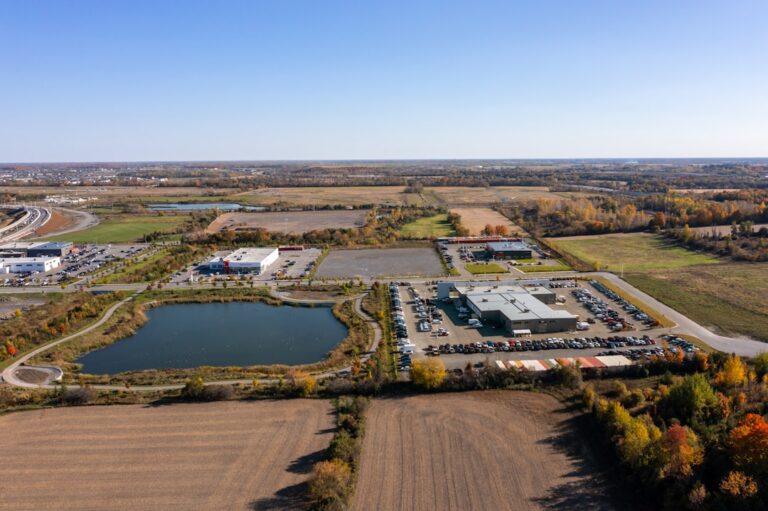
Prime Land for Sale: Your Opportunity Awaits
The acquisition of land represents a fundamental investment, often serving as the bedrock for economic growth and personal prosperity. This article examines a specific parcel of prime land, delving into its characteristics, potential, and the significant opportunities it presents to discerning investors and developers. The focus is on providing a factual overview to facilitate informed decision-making, removing the hyperbole often associated with real estate marketing. This land is not a golden ticket, but rather a well-defined asset with inherent value that can be leveraged through strategic action.
The parcel in question, hereafter referred to as “the Property,” is situated within [Specify General Location, e.g., the fertile plains of the Mid-West, the rapidly developing outskirts of a major metropolitan area, a historically significant coastal region]. Its precise geographical coordinates are [Provide coordinates or a general address range]. The surrounding area is characterized by [Describe the dominant landscape – e.g., rolling hills, flat arable land, proximity to water bodies, urban sprawl].
Topographical Features
The topography of the Property is [Describe – e.g., predominantly flat, gently sloping, moderately undulating]. Undulating terrain can offer visual appeal and opportunities for phased development, while flat land is generally more straightforward for construction and agricultural use. The average elevation of the land is [Provide average elevation]. Understanding the micro-topography is crucial for determining drainage patterns, foundation requirements, and potential environmental sensitivities. For instance, areas with significant slopes may necessitate specialized engineering solutions, adding to development costs but potentially enhancing aesthetic value. Conversely, flatlands, while easier to build upon, may require careful attention to water management.
Soil Composition and Agricultural Viability
The soil composition of the Property has been assessed through [Mention any testing, e.g., preliminary soil surveys, detailed geological reports]. The dominant soil types are [List soil types, e.g., loam, clay, sandy loam]. Loam soils are widely recognized for their fertility and excellent drainage, making them ideal for a broad spectrum of agricultural endeavors, from row crops to orchards. Clay soils, while retaining moisture well, can present drainage challenges and require amendment for optimal productivity. Sandy loams offer good drainage and moderate nutrient retention. The presence of [Mention any specific soil characteristics, e.g., high organic matter content, mineral deposits] can further influence its agricultural potential.
Water Resources and Drainage
The Property is serviced by [Describe water sources – e.g., access to municipal water lines, a natural spring, proximity to a river or lake, substantial groundwater reserves]. The availability and reliability of water are paramount for both agricultural and industrial applications, as well as for general development requiring potable water. Drainage systems, both natural and established, are integral to the land’s usability. [Describe drainage – e.g., natural runoff is managed by existing contours, a network of established drainage ditches is present, no significant drainage issues have been identified]. Understanding these aspects mitigates risks associated with waterlogging or drought.
Climate and Microclimate Considerations
The region experiences a [Describe climate type – e.g., temperate climate with four distinct seasons, semi-arid climate with hot summers and mild winters, humid subtropical climate]. Average annual rainfall is approximately [Provide rainfall data]. Seasonal temperature variations range from [Provide temperature ranges]. Any specific microclimate features within the Property, such as sheltered valleys or exposed ridges, should be noted as they can influence agricultural yields or the suitability for certain types of construction. Proximity to large bodies of water can often moderate temperature extremes in the immediate vicinity.
If you’re considering purchasing land for sale, it’s essential to think about how you plan to design and build your future home. A related article that might inspire your choices is about the different styles of bathrooms, which can significantly influence your overall home aesthetic. You can read more about this topic in the article titled “Modern vs. Traditional Bathroom Styles: Which One Suits Your Home?” by following this link: Modern vs. Traditional Bathroom Styles. This resource will help you decide on the best design that complements your new property.
Infrastructure Accessibility and Connectivity
The strategic value of any land parcel is intrinsically linked to its access to established infrastructure and its connectivity to key transportation networks. This section details the existing and potential connectivity of the Property.
Proximity to Transportation Networks
The Property boasts [Describe proximity to major roads, highways, rail lines, or ports]. For road transport, the nearest major arterial route is [Name of highway/road], located [Distance] from the Property. This offers efficient access for hauling materials, distributing goods, and facilitating workforce commutes. Rail connectivity, if available, can be a significant advantage for bulk transportation of raw materials or finished products, reducing logistical costs. Similarly, proximity to [Name of port/airport], if applicable, enhances global trade opportunities.
Highway Access
Access to high-speed highways is a critical determinant of logistical efficiency. The Property’s proximity to [Name of highway] allows for rapid transit of goods and personnel to [Mention key destinations or economic hubs]. This reduces transit times and associated operational costs for businesses relying on outward distribution or inward supply chains. The nature of the access – whether direct interchange access or requiring local road travel – is also a factor in evaluating efficiency.
Rail and Air Connectivity
[Elaborate on rail or air connectivity if relevant. For instance, if a railway line runs adjacent to the property, detail the type of service expected. If a major airport is within a reasonable distance, discuss its implications for freight and business travel.] This aspect of connectivity is particularly vital for industries with international supply chains or a need for rapid personnel deployment.
Utility Services
The availability and capacity of essential utility services are foundational for any development. The Property is connected to or has immediate access to:
Water and Sewerage Systems
The Property has access to [Describe water and sewerage – e.g., municipal water supply with a capacity of X gallons per minute, a well-appointed municipal sewer system, existing septic system and leach field, requires connection to XXX utility]. The quality and capacity of these services dictate the potential scale of development. Insufficient capacity or the need for extensive new infrastructure can represent significant capital investment hurdles. The presence of established public utilities significantly reduces development lead times.
Electricity and Gas
Electricity is supplied by [Name of utility provider] with [Describe capacity or availability – e.g., an adequate grid connection, a substation located within X miles]. Natural gas can be supplied by [Name of gas provider] to [Describe availability – e.g., the boundary of the property, requiring an extension of X feet]. Reliance on alternative energy sources, such as solar or wind, may also be a consideration depending on the Property’s location and environmental factors.
Telecommunications and Internet
Modern business operations are heavily reliant on robust telecommunications. The Property has access to [Describe telecommunications – e.g., high-speed fiber optic internet from XXX provider, standard DSL service, potential for satellite internet]. The presence of reliable broadband internet is no longer a luxury but a necessity for competitiveness in almost all sectors.
Zoning Regulations and Permitted Land Use
Understanding the existing zoning designations and the permissible land uses is a prerequisite for any intended development. Zoning ordinances are the rulebooks that govern how land can be utilized within a specific jurisdiction and are designed to promote orderly growth and protect public welfare.
Current Zoning Classification
The Property is currently zoned as [Specify zoning designation, e.g., Agricultural, Residential (R-1, R-2), Commercial (C-1, C-2), Industrial (I-1, I-2), Mixed-Use]. Each of these classifications carries a distinct set of permitted uses, development standards, and restrictions. For example, an “Agricultural” zoning classification typically permits farming and related agricultural activities but restricts residential or commercial construction.
Impact of Agricultural Zoning
If the Property is zoned Agricultural, it generally permits a wide range of farming operations, including crop cultivation, livestock raising, and the construction of agriculturally related structures like barns and silos. However, non-agricultural uses, such as retail stores or manufacturing facilities, would likely require a rezoning application and a public hearing, which is not guaranteed.
Impact of Residential Zoning
Residential zoning categories specify the density and type of housing permitted. R-1 might allow only single-family detached homes, while R-3 could permit multi-family dwellings like apartments or townhouses. Setback requirements, lot coverage ratios, and building height restrictions are also detailed within residential zoning.
Impact of Commercial Zoning
Commercial zoning encompasses a broad spectrum of retail, service, and office uses. C-1 zonings are often for neighborhood-level services, while C-3 might allow for larger-scale commercial developments, including shopping centers or big-box retailers. Performance standards, such as signage regulations and hours of operation, may also apply.
Impact of Industrial Zoning
Industrial zoning is designated for manufacturing, warehousing, processing, and heavy industry. These zones often have specific requirements regarding noise, emissions, and traffic generation to mitigate impacts on surrounding areas.
Potential for Rezoning and Variance Applications
In situations where the current zoning does not align with a specific development vision, the possibility of seeking a rezoning or applying for a variance becomes relevant.
Rezoning Process
A rezoning application typically involves submitting detailed plans to the local planning department, followed by public hearings before a planning commission and ultimately the governing body (e.g., City Council, County Commissioners). The process can be lengthy and depends on the comprehensive plan of the municipality and the perceived community impact of the proposed change.
Variance Procedures
A variance is a deviation from specific zoning regulations granted by a zoning board where strict adherence would cause undue hardship. This is generally for minor deviations, such as a slight reduction in a required setback, rather than a fundamental change in land use.
Master Plan and Comprehensive Land Use Designations
Local governments often maintain a Master Plan or Comprehensive Plan that outlines their long-term vision for land use and development. The Property’s designation within this plan can indicate future development trends and the likelihood of successful rezoning applications. For example, if the Master Plan designates the area for future commercial expansion, a rezoning to a commercial classification might be more favorably received.
Economic Potential and Market Demand
The intrinsic value of land is realized through its capacity to generate economic returns. This section provides an analysis of the potential economic viability of the Property, considering prevailing market conditions and projected demand.
Current Market Trends
The real estate market in the [Specify region] is currently characterized by [Describe current trends – e.g., steady growth, a strong seller’s market, increasing demand in specific sectors, stabilized prices]. Analyzing historical price trends and absorption rates provides insight into the market’s trajectory. Data from [Mention sources, e.g., local real estate associations, appraisal firms, government economic development agencies] indicates a [Describe trend, e.g., 5% annual appreciation in comparable properties].
Demand Analysis by Sector
Understanding the specific demand drivers within various economic sectors is crucial for identifying the most viable development pathways.
Agricultural Demand
If the Property is suitable for agricultural use, demand is influenced by factors such as global commodity prices, local consumer demand for fresh produce, and the viability of niche farming opportunities. The presence of established agricultural cooperatives or processing facilities in the vicinity can further bolster demand. [Provide specific agricultural demand data if available, e.g., acreage dedicated to specific crops, livestock production figures].
Residential Development Demand
The demand for housing is often driven by population growth, job creation, and household formation rates. Examining [Mention factors, e.g., local employment growth, migration patterns, affordability indices] provides an indicator of residential development potential. The desirability of the location for families, proximity to amenities, and school district quality are also significant factors.
Commercial and Industrial Demand
Demand in the commercial and industrial sectors is tied to business expansion, job growth, and the overall economic health of the region. Factors such as proximity to markets, availability of skilled labor, and the cost of doing business are key determinants. [Provide specific commercial/industrial demand data if available, e.g., vacancy rates for office or warehouse space, new business registrations].
Investment Return Projections
Based on the current market and projected demand, potential return on investment can be estimated. This calculation involves considering acquisition costs, development expenses, and projected income or appreciation.
Rental Income Potential
For income-generating properties, the projected rental income is a critical metric. This is determined by comparing rental rates for comparable properties in the area. [Provide example rental rates or cap rate data for similar properties]. The potential for rental income from agricultural leases, residential rentals, or commercial/industrial leases should be evaluated.
Capital Appreciation Potential
Capital appreciation, the increase in the Property’s value over time, is another significant component of return on investment. This is influenced by factors such as market demand, infrastructure improvements, and the overall economic growth of the region. Historical appreciation rates in the immediate vicinity can serve as a baseline indicator.
Competitive Landscape
A thorough analysis of the competitive landscape is essential. This involves identifying existing properties that compete for similar tenants or buyers and understanding their pricing and features. [Describe any significant competitors, e.g., recently developed subdivisions, existing industrial parks, large agricultural operations]. Identifying competitive advantages of the Property, such as superior location or unique features, is important.
If you’re considering purchasing land for sale, it’s essential to think about how you might want to develop it in the future. One aspect that can significantly enhance your property’s appeal is the choice of colors for any structures you plan to build. For inspiration on this topic, you might find this article on the top paint colors of the year helpful. It offers insights on how to use these colors effectively in your home, which can be a valuable resource as you envision your new property. You can read more about it here.
Development Opportunities and Future Prospects
| Location | Size (Acres) | Price per Acre | Land Type | Zoning | Contact |
|---|---|---|---|---|---|
| Springfield | 10 | 15,000 | Residential | R-1 | info@springfieldland.com |
| Riverside | 25 | 12,500 | Agricultural | A-2 | sales@riversideland.com |
| Hilltop | 5 | 20,000 | Commercial | C-3 | contact@hilltoprealty.com |
| Lakeside | 15 | 18,000 | Residential | R-2 | info@lakesideland.com |
| Greenfield | 30 | 10,000 | Agricultural | A-1 | greenfield@landforsale.com |
The Property is more than just a piece of land; it is a platform for creation and growth. This section explores the diverse development opportunities that the Property affords and its potential to contribute to the future economic and social landscape.
Agricultural Expansion and Innovation
Given its soil composition and potential water resources, the Property offers a fertile ground for agricultural expansion. This could encompass traditional farming operations, the cultivation of high-value crops for local or regional markets, or the development of specialized agricultural enterprises such as vineyards, orchards, or sustainable farming initiatives.
Precision Agriculture Adoption
The adoption of precision agriculture technologies, such as GPS-guided equipment, soil sensors, and drone-based monitoring, can significantly enhance efficiency and yield. The relatively large size of the Property could make such investments more economically viable.
Diversification into Value-Added Products
Beyond raw commodity production, there is potential for developing value-added agricultural products on-site. This could include processing facilities for fruits, vegetables, or dairy products, thereby capturing greater profit margins and creating local employment opportunities.
Residential and Mixed-Use Development
Depending on the zoning and market demand, the Property could serve as a site for residential development, ranging from single-family homes to multi-unit dwellings. Integrating residential components with commercial or recreational facilities could create vibrant, self-sustaining communities.
Master-Planned Communities
The scale of the Property might lend itself to the development of a master-planned community, offering a comprehensive living experience with integrated amenities such as parks, schools, and retail centers. Such developments can attract a diverse range of residents and foster a strong sense of place.
Affordable Housing Solutions
Addressing the demand for affordable housing could be a significant opportunity, especially in areas experiencing rapid growth and rising living costs. Developing an appropriate mix of housing types could cater to a broader demographic.
Commercial and Industrial Hub Creation
The Property’s accessibility and proximity to transportation networks make it a viable location for commercial and industrial development. This could include logistics centers, light manufacturing facilities, research and development parks, or retail complexes.
Logistics and Distribution Centers
The strong demand for efficient logistics and distribution is a significant driver for industrial development. The Property’s location relative to major transportation corridors positions it as an attractive site for such operations. Streamlined access to highways and potential rail spurs would be a major advantage.
Incubator and Accelerator Programs
The establishment of business incubators or accelerators could foster innovation and entrepreneurship. These facilities provide shared resources, mentorship, and networking opportunities for startups, contributing to the diversification of the local economy.
Renewable Energy Generation
The Property’s geographical location and open spaces may present opportunities for renewable energy generation, such as solar farms or wind energy projects. This could provide an additional revenue stream and contribute to the region’s clean energy initiatives.
Solar Farm Development
Large, open tracts of land are ideal for solar energy installations. The potential for consistent sunlight in the region can make a solar farm a profitable and environmentally beneficial venture. Interconnection with the local electricity grid would be a key consideration.
Wind Turbine Installation
Depending on wind patterns and local regulations, the installation of wind turbines could also be a viable option, particularly if the Property is located in an area with consistent wind speeds. Environmental impact assessments would be crucial for such developments.
Recreational and Tourism Potential
The natural features of the Property and its surrounding environment could be leveraged for recreational and tourism-related development. This might include the creation of parks, nature reserves, eco-lodges, or outdoor adventure facilities.
Ecotourism Initiatives
Developing ecotourism opportunities, such as guided nature walks, birdwatching tours, or sustainable camping facilities, can attract visitors interested in natural environments and conservation. This can create economic benefits while promoting responsible land stewardship.
Event and Entertainment Venues
The Property’s size and accessibility could also make it suitable for developing outdoor event venues, concert stages, or recreational sports complexes, drawing visitors from a wider geographic area.
The Property represents a confluence of advantageous natural attributes and strategic location. Its future is not predetermined but will be shaped by the vision and execution of its next steward. The opportunities presented are multifaceted, inviting a diverse range of approaches from those seeking to cultivate growth, innovation, and enduring value.
FAQs
What should I consider before buying land for sale?
When buying land, consider factors such as location, zoning regulations, access to utilities, land topography, and potential for future development. It’s also important to check for any liens or restrictions on the property.
How can I verify the ownership of land for sale?
You can verify land ownership by checking public records at the local county recorder’s office or land registry. A title search conducted by a professional can also confirm ownership and reveal any encumbrances.
What are common types of land available for sale?
Common types include residential, commercial, agricultural, industrial, and recreational land. Each type has specific zoning laws and intended uses that buyers should understand before purchasing.
Are there financing options available for purchasing land?
Yes, financing options for land purchases include traditional bank loans, seller financing, and land loans from specialized lenders. Terms and interest rates may vary and often depend on the land type and buyer’s creditworthiness.
What due diligence is necessary when buying land?
Due diligence includes conducting a land survey, checking zoning and land use restrictions, assessing environmental conditions, verifying access to utilities and roads, and reviewing any legal or title issues related to the property.