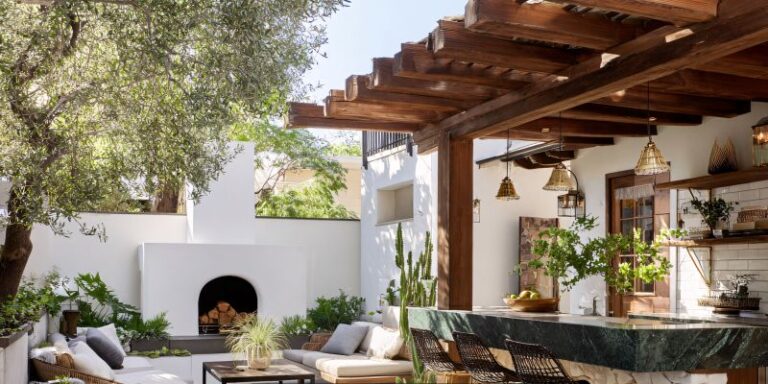
Traditional wooden pergolas are outdoor structures constructed from natural timber that serve both functional and aesthetic purposes in residential landscapes. These structures typically feature open lattice or beam designs that allow for partial coverage while maintaining visual connection between spaces. Wood species commonly used include cedar, redwood, pine, and pressure-treated lumber, each offering different durability and weather resistance characteristics.
The construction of wooden pergolas involves vertical posts supporting horizontal beams and cross-rafters, creating an open-roof framework. This design provides approximately 20-30% shade coverage depending on beam spacing and orientation. The natural properties of wood allow these structures to integrate with existing landscape elements while requiring periodic maintenance including staining, sealing, or replacement of weathered components.
Wooden pergolas function as support systems for climbing vegetation such as vines, roses, or ivy, which can increase shade coverage to 60-80% when fully established. The structures also define outdoor spaces, create visual boundaries, and can support additional features like lighting, curtains, or retractable canopies. Installation typically requires concrete footings for stability, and local building codes may require permits for structures exceeding certain dimensions.
Maintenance requirements include annual inspection for structural integrity, treatment for insect damage, and refinishing every 2-3 years depending on climate conditions and wood type.
Key Takeaways
- Pergolas come in various styles including traditional wood, modern metal, and rustic stone.
- Functional designs can include built-in seating, outdoor kitchens, and retractable canopies.
- Aesthetic enhancements like hanging plants, string lights, and vine coverage add charm and ambiance.
- Minimalist pergolas focus on clean lines and simplicity for a contemporary look.
- Incorporating water features can create a relaxing and tranquil outdoor space.
Modern Metal Pergola
In contrast to the warmth of wood, modern metal pergolas present a sleek and contemporary aesthetic that appeals to those with a taste for minimalism and industrial design. Constructed from materials such as aluminum or steel, these structures are often characterized by clean lines and geometric shapes. The durability of metal ensures that these pergolas can withstand various weather conditions, making them a long-lasting investment for any outdoor space.
Their modern appearance can serve as a striking focal point in gardens or patios, often complementing contemporary architecture. Moreover, modern metal pergolas can be customized in various ways to suit individual preferences. Homeowners can choose from a range of finishes, colors, and designs to create a structure that aligns with their vision.
Some metal pergolas even incorporate innovative features such as integrated lighting or adjustable slats for controlling sunlight exposure. This versatility allows for a personalized touch while maintaining the sleek look that defines modern design. As outdoor living continues to evolve, modern metal pergolas are becoming increasingly popular for those seeking a stylish yet functional addition to their homes.
Rustic Stone Pergola
The rustic stone pergola embodies a sense of permanence and strength, often evoking images of ancient architecture and natural landscapes. Constructed from locally sourced stone or brick, these structures exude an earthy charm that resonates with nature lovers. The rough texture and varied colors of stone create a unique visual appeal, making each rustic stone pergola distinct.
This type of pergola is particularly well-suited for gardens that emphasize natural beauty, as it harmonizes with the surrounding flora and fauna. Beyond aesthetics, rustic stone pergolas offer exceptional durability and stability. Unlike wooden structures that may require regular maintenance or replacement, stone pergolas can withstand the test of time with minimal upkeep.
They provide a solid framework for climbing plants, which can soften the hard edges of the stone and create a lush canopy overhead. This combination of strength and beauty makes rustic stone pergolas an ideal choice for homeowners looking to create an inviting outdoor space that feels both timeless and grounded in nature.
Minimalist Pergola Design
Minimalist pergola design focuses on simplicity and functionality, stripping away unnecessary embellishments to create a clean and uncluttered look. These structures often feature straight lines and open spaces, allowing for an unobstructed view of the sky and surrounding landscape. The minimalist approach emphasizes the beauty of the materials used—whether wood, metal, or composite—highlighting their natural qualities without overwhelming the senses.
This design philosophy resonates with those who appreciate modern aesthetics and seek to create serene outdoor environments. In addition to their visual appeal, minimalist pergolas are highly adaptable. They can be integrated into various outdoor settings, from urban rooftops to expansive gardens, without clashing with existing architecture or landscaping.
The open design allows for flexibility in usage; homeowners can choose to leave the space bare or enhance it with furniture, plants, or decorative elements as desired. This versatility makes minimalist pergolas an excellent choice for individuals who value both style and practicality in their outdoor living spaces.
Vine-Covered Pergola
| Pergola Idea | Material | Average Size (ft) | Estimated Build Time (days) | Maintenance Level | Popular Features |
|---|---|---|---|---|---|
| Wooden Classic Pergola | Cedar or Redwood | 10 x 12 | 3-5 | Medium | Climbing plants, retractable canopy |
| Aluminum Modern Pergola | Aluminum | 12 x 14 | 2-4 | Low | Adjustable louvers, LED lighting |
| Vinyl Pergola | Vinyl | 8 x 10 | 1-3 | Low | Easy cleaning, weather resistant |
| Garden Pergola with Vines | Wood or Metal | 10 x 10 | 4-6 | High | Natural shade, floral decoration |
| Retractable Canopy Pergola | Wood or Aluminum | 12 x 16 | 3-5 | Medium | Weather protection, motorized canopy |
A vine-covered pergola transforms an ordinary outdoor structure into a lush retreat filled with greenery and life. By encouraging climbing plants such as wisteria, grapevines, or ivy to grow over the framework, homeowners can create a natural canopy that provides shade and beauty. The interplay between the structure and the vines not only enhances the aesthetic appeal but also fosters a sense of tranquility as one relaxes beneath the foliage.
This organic connection between architecture and nature creates an inviting atmosphere perfect for gatherings or quiet moments alone. The benefits of a vine-covered pergola extend beyond mere aesthetics; they also contribute to environmental sustainability. The foliage provides natural cooling through shade while improving air quality by absorbing carbon dioxide and releasing oxygen.
Additionally, these structures can serve as habitats for various wildlife species, promoting biodiversity in the garden. As homeowners increasingly seek ways to incorporate nature into their living spaces, vine-covered pergolas stand out as an enchanting option that marries beauty with ecological responsibility.
Pergola with Built-In Seating
A pergola with built-in seating elevates outdoor living by seamlessly integrating comfort into the structure itself. This design choice not only maximizes space but also encourages social interaction among family and friends. Built-in benches or seating areas can be customized to fit the dimensions of the pergola, allowing for creative arrangements that suit various activities—whether it’s hosting a barbecue or enjoying a quiet evening under the stars.
The convenience of having seating readily available enhances the usability of the outdoor space. Moreover, built-in seating can be designed with storage options in mind, providing practical solutions for keeping outdoor essentials organized. Homeowners can incorporate cushions or pillows into the seating design for added comfort while choosing weather-resistant materials to ensure durability against the elements.
This thoughtful approach transforms the pergola into an inviting gathering spot that encourages relaxation and enjoyment of the outdoors. As outdoor living continues to gain popularity, pergolas with built-in seating are becoming increasingly sought after for their functionality and style.
Pergola with Outdoor Kitchen
The integration of an outdoor kitchen within a pergola creates an exceptional space for culinary enthusiasts who enjoy cooking and entertaining outdoors. This design allows homeowners to take full advantage of their outdoor areas by providing all the necessary amenities—such as grills, sinks, countertops, and storage—under one roof. The shelter provided by the pergola ensures that cooking can continue regardless of weather conditions, making it an ideal setting for year-round gatherings.
In addition to practicality, an outdoor kitchen within a pergola enhances the overall aesthetic appeal of the space. Homeowners can choose materials and finishes that complement both the kitchen appliances and the surrounding environment, creating a cohesive look that ties everything together. The presence of a pergola also allows for creative lighting options—such as pendant lights or string lights—to be incorporated into the design, adding ambiance during evening gatherings.
As more people embrace outdoor living as an extension of their homes, pergolas with outdoor kitchens are becoming increasingly popular for those looking to elevate their entertaining experience.
Pergola with Hanging Plants
A pergola adorned with hanging plants adds layers of texture and color to any outdoor space while creating an enchanting atmosphere. By suspending planters from beams or hooks within the structure, homeowners can introduce vibrant flowers or lush greenery that cascades downwards, softening the lines of the pergola itself. This vertical gardening approach not only maximizes space but also allows for creative expression through plant selection and arrangement.
Hanging plants can serve multiple purposes beyond aesthetics; they can also improve air quality and provide additional shade when strategically placed. Homeowners may choose trailing vines or flowering plants that attract pollinators, further enhancing biodiversity in their gardens. The combination of hanging plants with a pergola creates a dynamic environment that evolves throughout the seasons as different blooms come into play.
As individuals seek ways to personalize their outdoor spaces, incorporating hanging plants into pergola designs offers an opportunity for creativity while fostering a connection with nature.
Pergola with String Lights
The addition of string lights to a pergola transforms it into a magical retreat after sunset, creating an inviting ambiance perfect for evening gatherings or quiet nights spent outdoors. These twinkling lights can be draped across beams or hung from posts, casting a warm glow that enhances the overall atmosphere of the space. Whether used for special occasions or everyday enjoyment, string lights add charm and character while encouraging social interaction under their soft illumination.
Moreover, string lights come in various styles—from classic Edison bulbs to modern LED options—allowing homeowners to choose designs that align with their personal aesthetic preferences. They can be easily installed and adjusted according to desired brightness levels or patterns, making them versatile additions to any pergola setup. As outdoor living spaces become extensions of homes where memories are made, incorporating string lights into pergola designs has become increasingly popular for those looking to create enchanting environments that invite relaxation and connection.
Pergola with Retractable Canopy
A pergola equipped with a retractable canopy offers unparalleled flexibility in managing sunlight exposure and weather conditions in outdoor spaces. This innovative design allows homeowners to extend or retract the canopy as needed—providing shade during hot summer days while allowing sunlight to filter through when desired. The ability to control light levels enhances comfort levels significantly, making it easier to enjoy outdoor activities regardless of changing weather patterns.
Retractable canopies come in various materials and colors, allowing homeowners to customize their look while ensuring durability against UV rays and moisture. This adaptability makes them suitable for diverse climates and settings—from sunny backyards to coastal retreats—ensuring that outdoor spaces remain functional year-round. As individuals increasingly seek ways to enhance their outdoor living experiences while maintaining comfort and style, pergolas with retractable canopies are becoming essential features in modern landscape design.
Pergola with Water Feature
Incorporating a water feature into a pergola design creates an oasis-like atmosphere that promotes relaxation and tranquility in outdoor spaces. The soothing sound of flowing water can enhance the sensory experience while providing visual interest through fountains or small ponds nestled within or around the structure. This harmonious blend of architecture and nature invites individuals to unwind amidst calming surroundings—making it an ideal setting for meditation or social gatherings alike.
Water features can be designed in various styles—from contemporary wall-mounted fountains to rustic stone basins—allowing homeowners to choose options that align with their overall aesthetic vision. Additionally, integrating plants around water features enhances biodiversity while creating lush backdrops that further enrich the environment’s beauty. As more people seek ways to cultivate peaceful retreats within their homes’ landscapes, pergolas featuring water elements stand out as captivating choices that elevate outdoor living experiences through sensory engagement and natural beauty.
FAQs
What is a pergola?
A pergola is an outdoor garden feature forming a shaded walkway, passageway, or sitting area with vertical posts or pillars that usually support cross-beams and a sturdy open lattice. It can be freestanding or attached to a building.
What materials are commonly used to build pergolas?
Pergolas are commonly made from wood, vinyl, aluminum, or steel. Wood offers a natural look, vinyl requires low maintenance, and metal options provide durability and modern aesthetics.
How can I decorate or enhance a pergola?
You can decorate a pergola with climbing plants like vines or flowers, string lights, hanging planters, outdoor curtains, or fabric drapes to create shade and add style.
What are some popular pergola design ideas?
Popular pergola designs include modern minimalist styles, rustic wooden structures, Mediterranean-inspired arches, and pergolas with retractable canopies or integrated lighting.
Can pergolas be used year-round?
With the addition of features like retractable canopies, weatherproof curtains, heaters, or fans, pergolas can be adapted for use in different seasons and weather conditions.
Do pergolas require permits?
Permit requirements vary by location and the size or type of pergola. It is advisable to check with local building authorities before construction.
How much does it typically cost to build a pergola?
The cost depends on size, materials, design complexity, and labor. Basic DIY pergolas can cost a few hundred dollars, while custom-built or large pergolas may cost several thousand dollars.
What maintenance is needed for a pergola?
Maintenance depends on the material. Wooden pergolas may require staining or sealing to prevent weather damage, while vinyl and metal pergolas generally need only occasional cleaning.
Can pergolas increase property value?
A well-designed and maintained pergola can enhance outdoor living space and curb appeal, potentially increasing property value.
Are pergolas suitable for small spaces?
Yes, pergolas can be customized to fit small patios or gardens, providing shade and aesthetic appeal without overwhelming the space.