The modern farmhouse interior represents a harmonious fusion of rustic charm and contemporary elegance. This design style has gained immense popularity in recent years, appealing to those who appreciate the warmth of traditional aesthetics while also seeking the clean lines and functionality of modern design. The essence of the modern farmhouse lies in its ability to create a welcoming environment that feels both lived-in and stylish.
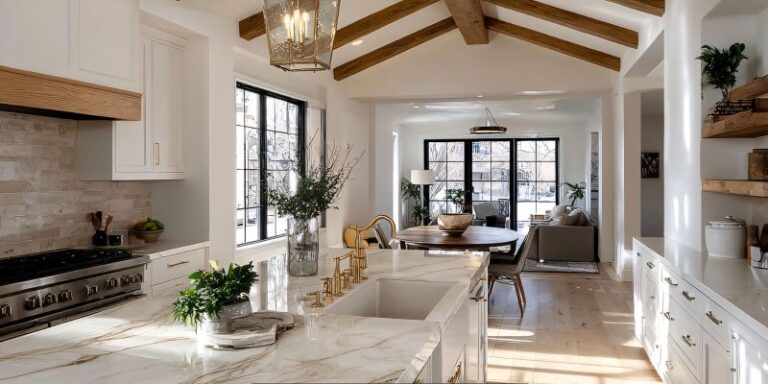
It draws inspiration from the simplicity of rural life, yet it incorporates modern conveniences and design principles that cater to today’s lifestyle. At its core, the modern farmhouse interior is characterized by an open floor plan, which promotes a sense of spaciousness and connectivity among different living areas. This layout often features large windows that allow natural light to flood the space, enhancing the overall ambiance.
The use of natural materials, such as wood and stone, is prevalent, providing a tactile quality that evokes a sense of comfort. By blending these rustic elements with contemporary furnishings and decor, the modern farmhouse creates a unique aesthetic that is both timeless and fresh.
Key Takeaways
- Modern farmhouse design combines rustic charm with contemporary aesthetics for a balanced look.
- Using natural materials and neutral colors creates a cozy, inviting atmosphere.
- Mixing vintage and modern furniture adds character and timeless appeal.
- Natural light and open spaces are essential for enhancing the farmhouse interior.
- Incorporating greenery and industrial elements adds versatility and freshness to the design.
Embracing the Charm of Rustic Materials in Modern Farmhouse Design
Rustic materials play a pivotal role in defining the modern farmhouse aesthetic. Wood, in particular, is a staple element that can be found in various forms throughout the home. From exposed beams and reclaimed wood flooring to shiplap walls and custom cabinetry, wood adds warmth and character to the space.
The natural imperfections found in reclaimed wood tell a story, connecting the home to its historical roots while also providing a sense of authenticity that resonates with many homeowners. In addition to wood, other rustic materials such as stone and metal are often incorporated into modern farmhouse design. Stone accents, whether in the form of a fireplace or an accent wall, bring an earthy quality that complements the overall aesthetic.
Meanwhile, metal elements—such as wrought iron fixtures or galvanized steel accents—add an industrial touch that enhances the contemporary feel of the space. By thoughtfully combining these materials, designers can create a cohesive look that celebrates both rustic charm and modern sophistication.
Creating a Cozy and Inviting Atmosphere with Modern Farmhouse Interior
A key aspect of modern farmhouse design is its ability to foster a cozy and inviting atmosphere. This is achieved through careful selection of furnishings, textiles, and decor that promote comfort and relaxation. Soft, plush sofas adorned with an array of throw pillows invite family and friends to gather and unwind.
Layering different textures—such as chunky knit blankets, linen curtains, and woven rugs—adds depth to the space while enhancing its warmth. Lighting also plays a crucial role in creating an inviting ambiance within a modern farmhouse interior. The use of warm-toned light fixtures, such as pendant lights or chandeliers made from natural materials, can transform a room into a welcoming haven.
Additionally, strategically placed lamps and candles can create soft pools of light that encourage intimacy and connection among occupants. By focusing on these elements, homeowners can cultivate an environment that feels both comfortable and stylish.
Incorporating Vintage and Antique Elements into Modern Farmhouse Design
Integrating vintage and antique elements into modern farmhouse design adds layers of history and personality to the space. These pieces often serve as conversation starters, each with its own unique story that enriches the overall narrative of the home. Whether it’s a weathered dining table passed down through generations or a collection of antique farm tools displayed on a wall, these items infuse character into the modern farmhouse aesthetic.
Incorporating vintage elements does not mean sacrificing modern sensibilities; rather, it enhances them. For instance, pairing an antique sideboard with sleek contemporary chairs creates an intriguing juxtaposition that highlights the beauty of both styles. Additionally, vintage accessories—such as old books, vintage glassware, or handmade pottery—can be used to accessorize shelves and tabletops, adding warmth and charm without overwhelming the space.
This thoughtful blend of old and new creates a dynamic environment that feels both curated and lived-in.
The Role of Neutral Colors in Achieving a Modern Farmhouse Interior
| Metric | Value | Description |
|---|---|---|
| Average Room Size | 250-400 sq ft | Typical size for living rooms and kitchens in modern farmhouse interiors |
| Popular Wall Colors | White, Soft Gray, Beige | Neutral tones that create a bright and airy atmosphere |
| Common Flooring Materials | Reclaimed Wood, Wide Plank Hardwood | Natural textures that add warmth and rustic charm |
| Lighting Style | Industrial, Vintage Edison Bulbs | Fixtures that blend rustic and modern aesthetics |
| Furniture Style | Distressed Wood, Slipcovered Sofas | Comfortable and casual pieces with a worn-in look |
| Accent Materials | Metal, Shiplap, Barn Doors | Elements that emphasize farmhouse character and texture |
| Average Ceiling Height | 9-12 feet | Provides an open and spacious feel typical of modern farmhouse design |
| Use of Natural Light | High | Large windows and open layouts maximize daylight |
Neutral colors are fundamental in achieving the serene and balanced aesthetic characteristic of modern farmhouse interiors. Shades such as whites, creams, grays, and soft earth tones provide a versatile backdrop that allows other design elements to shine. These colors evoke a sense of calmness and tranquility, making them ideal for creating spaces where families can relax and unwind.
Moreover, neutral palettes serve as a canvas for incorporating bolder accents through decor and furnishings. A neutral living room can be enlivened with vibrant throw pillows or artwork that introduces pops of color without overwhelming the overall design. This flexibility allows homeowners to easily update their spaces with changing trends or personal preferences while maintaining the timeless appeal of their modern farmhouse interior.
Balancing the Old and New: Mixing Vintage and Modern Furniture in Farmhouse Design
Striking a balance between vintage and modern furniture is essential in achieving a cohesive modern farmhouse design. This approach allows homeowners to celebrate their personal style while creating an inviting atmosphere that feels both fresh and familiar. Mixing different eras can lead to unexpected combinations that enhance the character of the space.
For example, pairing a sleek mid-century modern coffee table with a traditional upholstered sofa creates an interesting visual contrast that draws the eye. Similarly, incorporating contemporary lighting fixtures alongside antique furniture pieces can create a harmonious blend that feels intentional rather than haphazard. By thoughtfully curating these combinations, homeowners can create spaces that reflect their individuality while embracing the essence of modern farmhouse design.
The Importance of Natural Light and Open Spaces in Modern Farmhouse Interior
Natural light is one of the defining features of modern farmhouse interiors, contributing significantly to their airy and open feel. Large windows not only invite sunlight into the home but also connect indoor spaces with the beauty of the outdoors. This seamless transition fosters a sense of openness that enhances the overall living experience.
Open spaces are equally important in modern farmhouse design, as they promote fluidity between different areas of the home. An open-concept layout allows for easy movement and interaction among family members while creating an inviting atmosphere for entertaining guests. By prioritizing natural light and open spaces, homeowners can cultivate environments that feel expansive and welcoming.
Integrating Industrial Elements into Modern Farmhouse Design
The integration of industrial elements into modern farmhouse design adds an edgy contrast to the rustic charm typically associated with this style. Industrial features—such as exposed ductwork, concrete floors, or metal accents—can enhance the contemporary aspect of a modern farmhouse while providing visual interest. For instance, incorporating metal light fixtures or furniture pieces can create striking focal points within a room.
Additionally, using reclaimed industrial materials—such as barn doors or factory windows—can further bridge the gap between rustic and modern aesthetics. This blend not only enriches the design but also reflects a growing trend toward sustainability by repurposing materials with history.
The Versatility of Modern Farmhouse Interior: Adaptable to Different Home Styles
One of the most appealing aspects of modern farmhouse interior design is its versatility; it can be adapted to suit various home styles beyond traditional farmhouses. Whether it’s a suburban home or an urban loft, elements of modern farmhouse design can be seamlessly integrated to create inviting spaces. For example, in a contemporary urban setting, sleek lines and minimalist decor can be combined with rustic accents like reclaimed wood furniture or vintage accessories to achieve a modern farmhouse feel.
This adaptability allows homeowners to express their unique tastes while enjoying the warmth and comfort associated with this beloved design style.
Incorporating Greenery and Natural Elements in Modern Farmhouse Interior
Incorporating greenery and natural elements into modern farmhouse interiors enhances their organic appeal while promoting well-being within the home. Plants not only purify the air but also add life and vibrancy to spaces that may otherwise feel sterile or lifeless. From potted herbs in the kitchen to larger indoor trees in living areas, greenery can be strategically placed to create focal points throughout the home.
Natural elements such as stone or wood accents further enhance this connection to nature. For instance, using wooden planters or stone tabletops can create a cohesive look that ties together various design elements while emphasizing sustainability. By embracing nature within their interiors, homeowners can cultivate environments that feel refreshing and rejuvenating.
Achieving a Timeless and Elegant Look with Modern Farmhouse Interior
Achieving a timeless and elegant look within modern farmhouse interiors involves careful consideration of design choices that transcend fleeting trends. By focusing on quality materials, classic silhouettes, and thoughtful details, homeowners can create spaces that remain stylish for years to come. Investing in high-quality furnishings—such as solid wood tables or handcrafted cabinetry—ensures durability while adding an element of sophistication to the design.
Additionally, incorporating classic patterns like stripes or checks through textiles can evoke a sense of tradition while remaining relevant in contemporary settings. Ultimately, by prioritizing timeless elements within their designs, homeowners can enjoy spaces that are not only beautiful but also enduringly stylish.
FAQs
What defines a modern farmhouse interior style?
Modern farmhouse interior style combines the rustic charm of traditional farmhouse design with contemporary elements. It typically features a neutral color palette, natural materials like wood and metal, clean lines, and a mix of vintage and modern furnishings.
What colors are commonly used in modern farmhouse interiors?
Neutral colors such as white, beige, gray, and soft earth tones are commonly used. These colors create a bright and airy atmosphere, often complemented by black or dark accents for contrast.
What materials are popular in modern farmhouse design?
Wood, especially reclaimed or distressed wood, is a key material. Other popular materials include metal (often black or matte finishes), shiplap walls, natural stone, and linen or cotton fabrics.
How can I incorporate modern farmhouse style into a small space?
Use light colors to make the space feel larger, incorporate multifunctional furniture, and add rustic elements like wooden shelves or vintage decor. Keeping the design simple and uncluttered helps maintain the modern farmhouse aesthetic.
What types of furniture are typical in modern farmhouse interiors?
Furniture often includes wooden dining tables, slipcovered sofas, farmhouse-style cabinets, and industrial-style lighting fixtures. Pieces usually have a mix of rustic and modern features, such as clean lines combined with distressed finishes.
Are modern farmhouse interiors suitable for all rooms in a house?
Yes, modern farmhouse style can be adapted for any room, including kitchens, living rooms, bedrooms, and bathrooms. Each room typically features a balance of comfort, functionality, and rustic-modern design elements.
How does lighting play a role in modern farmhouse interiors?
Lighting is important for creating a warm and inviting atmosphere. Common choices include pendant lights, lantern-style fixtures, and Edison bulbs, often with black or metal finishes to complement the rustic-modern look.
Can modern farmhouse interiors incorporate technology?
Yes, modern farmhouse interiors can seamlessly integrate technology. The key is to choose devices and appliances with simple, unobtrusive designs that blend with the overall aesthetic.
What are some common decorative accents in modern farmhouse interiors?
Decorative accents often include vintage signs, woven baskets, galvanized metal containers, farmhouse-style clocks, and natural elements like plants or dried flowers.
Is modern farmhouse interior design expensive to implement?
The cost varies depending on the scale of the project and materials used. Many elements, such as paint, DIY wood projects, and thrifted vintage items, can make the style affordable. However, high-end furniture and custom features may increase costs.