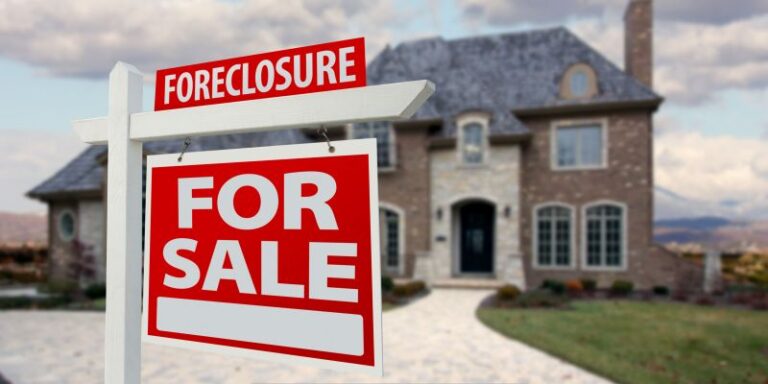
Foreclosure homes represent a unique segment of the real estate market, often attracting buyers looking for bargains. When a homeowner defaults on their mortgage payments, the lender has the right to reclaim the property through a legal process known as foreclosure. This process allows the lender to recover the remaining balance of the loan by selling the property.
As a result, foreclosure homes are typically sold at a lower price than comparable properties, making them appealing to investors and first-time homebuyers alike. The foreclosure process can vary significantly from state to state, with some jurisdictions allowing for judicial foreclosures, where the lender must go through the court system, while others permit non-judicial foreclosures, which can be completed more quickly. Understanding these nuances is crucial for potential buyers, as they can impact the timeline and procedures involved in purchasing a foreclosure home.
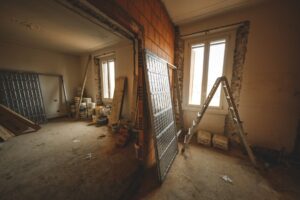
Additionally, buyers should be aware that properties in foreclosure may come with various challenges, including liens, unpaid taxes, or property damage, which can complicate the buying process.
Key Takeaways
- Foreclosure homes can offer significant discounts but require thorough research and inspection.
- Financing foreclosure purchases may involve special considerations compared to traditional home buying.
- Negotiating directly with banks is often necessary to secure favorable terms on foreclosure properties.
- Understanding potential risks, such as property condition and legal issues, is crucial before buying.
- Successful purchases depend on careful planning, including where to find listings and how to make competitive offers.
Benefits of Buying Foreclosure Homes
One of the most significant advantages of purchasing a foreclosure home is the potential for substantial savings. These properties are often listed at prices below market value, allowing buyers to acquire real estate at a fraction of the cost. This financial benefit can be particularly appealing for first-time homebuyers or those looking to invest in rental properties.
The lower purchase price can also provide buyers with more flexibility in terms of renovations or improvements, as they may have additional funds available after closing. Another benefit of buying foreclosure homes is the opportunity for investment growth. As neighborhoods recover and property values rise, buyers who purchase foreclosures at lower prices may see significant returns on their investments over time.
Additionally, many foreclosure homes are located in areas that are undergoing revitalization or development, further enhancing their potential for appreciation. For savvy investors and homebuyers willing to put in the effort, purchasing a foreclosure can be a strategic move that pays off in the long run.
Where to Find Foreclosure Homes for Sale
Finding foreclosure homes for sale requires a proactive approach and an understanding of where to look. One of the most common sources is online real estate platforms that specialize in listing foreclosures. Websites such as Zillow, Realtor.com, and Foreclosure.com provide comprehensive listings of properties in various stages of foreclosure.
These platforms often include detailed information about each property, including its condition, location, and price, making it easier for buyers to identify potential opportunities. In addition to online resources, buyers can also explore local government websites and court records to find information about upcoming foreclosure auctions. Many counties publish lists of properties scheduled for foreclosure sales, which can be an excellent way to discover homes before they hit the market.
Networking with real estate agents who specialize in foreclosures can also yield valuable insights and access to off-market deals. By leveraging multiple sources, buyers can increase their chances of finding the right foreclosure home that meets their needs.
Researching Foreclosure Homes
Thorough research is essential when considering a foreclosure home purchase. Buyers should start by gathering as much information as possible about the property itself, including its history, condition, and any outstanding liens or debts. This information can often be obtained through public records or by contacting the local tax assessor’s office.
Understanding the property’s background can help buyers make informed decisions and avoid potential pitfalls. In addition to researching the property, buyers should also investigate the surrounding neighborhood. Factors such as local schools, amenities, crime rates, and future development plans can significantly impact property values and overall quality of life.
Buyers may want to visit the area at different times of day to get a sense of the community and its dynamics. Engaging with local residents or community groups can provide valuable insights that may not be readily available through online research.
How to Finance a Foreclosure Home Purchase
| Location | Number of Foreclosure Homes | Average Price | Average Days on Market | Price Reduction (%) |
|---|---|---|---|---|
| New York, NY | 120 | 350,000 | 45 | 15 |
| Los Angeles, CA | 95 | 420,000 | 50 | 12 |
| Chicago, IL | 150 | 280,000 | 60 | 18 |
| Houston, TX | 110 | 250,000 | 55 | 14 |
| Phoenix, AZ | 85 | 300,000 | 48 | 16 |
Financing a foreclosure home purchase can differ from traditional home buying processes due to the unique nature of these properties. Many lenders offer specific loan programs designed for foreclosures, which may include options like FHA 203(k) loans that allow buyers to finance both the purchase price and renovation costs in one mortgage. Buyers should explore various financing options and consult with mortgage professionals who have experience with foreclosure transactions.
It is also essential for buyers to get pre-approved for a mortgage before making an offer on a foreclosure home. Pre-approval not only demonstrates financial readiness but also gives buyers a clear understanding of their budget and purchasing power. This step is particularly important in competitive markets where multiple offers may be submitted on a single property.
By securing financing ahead of time, buyers can act quickly when they find a suitable foreclosure home.
Inspecting Foreclosure Homes
Inspecting a foreclosure home is a critical step in the buying process that cannot be overlooked. Many foreclosures are sold “as-is,” meaning that buyers are responsible for any repairs or issues that may arise after purchase. Therefore, conducting a thorough inspection is vital to uncover any hidden problems that could lead to costly repairs down the line.
Buyers should consider hiring a professional home inspector who specializes in foreclosures to assess the property’s condition comprehensively. During the inspection, buyers should pay close attention to key areas such as the roof, plumbing, electrical systems, and foundation. Additionally, it is wise to check for signs of mold or pest infestations, which can be common in vacant properties.
Understanding the extent of necessary repairs will help buyers make informed decisions about their offers and budget for any renovations needed after closing.
Making an Offer on a Foreclosure Home
When it comes time to make an offer on a foreclosure home, buyers should approach the process strategically. Given that many foreclosures are priced below market value, it is essential to conduct thorough research on comparable properties in the area to determine a fair offer price. Buyers should consider factors such as recent sales data and current market conditions when crafting their offers.
In many cases, banks or lenders will have specific guidelines for submitting offers on foreclosure properties. Buyers should ensure they follow these guidelines closely and include any required documentation with their offer. Additionally, it may be beneficial to include an earnest money deposit to demonstrate serious intent and strengthen their position in negotiations.
Negotiating with Banks for Foreclosure Homes
Negotiating with banks for foreclosure homes can be a complex process that requires patience and persistence. Unlike traditional sellers, banks are often motivated by their need to recover losses from defaulted loans rather than emotional attachments to the property. This means that negotiations may be more straightforward but can also involve lengthy back-and-forth discussions.
Buyers should be prepared for potential counteroffers from banks and remain flexible in their negotiations. It is essential to maintain open lines of communication and respond promptly to any inquiries or requests from the lender. Additionally, having a knowledgeable real estate agent who understands the intricacies of negotiating with banks can provide valuable support throughout this process.
Closing on a Foreclosure Home
Closing on a foreclosure home involves several steps that differ from traditional real estate transactions. Once an offer is accepted, buyers will need to complete various paperwork and fulfill any conditions outlined in the purchase agreement. This may include securing financing, obtaining title insurance, and conducting final inspections.
During closing, buyers should carefully review all documents before signing to ensure accuracy and clarity regarding terms and conditions. It is also advisable for buyers to have legal representation during this stage to address any concerns or questions that may arise. Once all parties have signed off on the necessary documents and funds have been transferred, ownership of the property will officially change hands.
Potential Risks of Buying Foreclosure Homes
While there are numerous benefits associated with purchasing foreclosure homes, potential risks must also be considered. One significant risk is the possibility of hidden defects or issues within the property that may not be immediately apparent during inspections. Buyers may encounter costly repairs or renovations that exceed their initial budget if they do not conduct thorough due diligence.
Additionally, buyers should be aware of potential legal complications associated with foreclosures. Properties may come with outstanding liens or unpaid taxes that could become the buyer’s responsibility after purchase. It is crucial for buyers to conduct title searches and consult with legal professionals to mitigate these risks before finalizing their purchase.
Tips for Successful Foreclosure Home Purchases
To navigate the complexities of buying foreclosure homes successfully, prospective buyers should keep several tips in mind. First and foremost, conducting thorough research is essential at every stage of the process—from identifying potential properties to understanding local market conditions and financing options. Buyers should also remain patient and flexible throughout their search for foreclosure homes.
The process can take time, especially when dealing with banks and lenders who may have lengthy response times. Building relationships with real estate agents who specialize in foreclosures can provide valuable insights and access to new listings as they become available. Finally, maintaining realistic expectations is crucial when purchasing foreclosure homes.
While there are opportunities for significant savings and investment growth, buyers should be prepared for challenges along the way. By staying informed and proactive throughout the process, they can increase their chances of making successful purchases that align with their goals and aspirations in real estate investment.
FAQs
What are foreclosure homes?
Foreclosure homes are properties that have been repossessed by lenders, typically banks, after the previous owner failed to make mortgage payments. These homes are then sold to recover the outstanding loan balance.
How can I find foreclosure homes for sale?
Foreclosure homes can be found through various sources such as real estate websites, public records, bank websites, real estate agents specializing in foreclosures, and government agencies.
Are foreclosure homes cheaper than regular homes?
Foreclosure homes are often priced below market value to encourage quick sales, but prices can vary depending on location, condition, and demand.
What condition are foreclosure homes usually in?
Foreclosure homes may be in varying conditions, ranging from well-maintained to needing significant repairs, as previous owners may have neglected maintenance or the property may have been vacant.
Can I get financing for a foreclosure home?
Yes, financing is possible, but it may be more challenging. Some lenders require inspections or appraisals, and certain types of loans may not be available for homes needing extensive repairs.
Are there risks involved in buying foreclosure homes?
Yes, risks include hidden damages, liens or unpaid taxes on the property, and limited opportunity for inspections before purchase. It is important to conduct thorough due diligence.
Do foreclosure homes come with warranties?
Typically, foreclosure homes are sold “as-is” without warranties, meaning the buyer assumes responsibility for any repairs or issues after purchase.
Can I negotiate the price of a foreclosure home?
Yes, there is often room for negotiation, especially if the property has been on the market for a while or requires repairs.
What is the process of buying a foreclosure home?
The process usually involves researching available properties, securing financing, making an offer, conducting inspections if possible, and completing the purchase through the lender or auction.
Are foreclosure homes available in all areas?
Foreclosure homes are available in many areas but the availability depends on local real estate markets and economic conditions. Some regions may have more foreclosure listings than others.