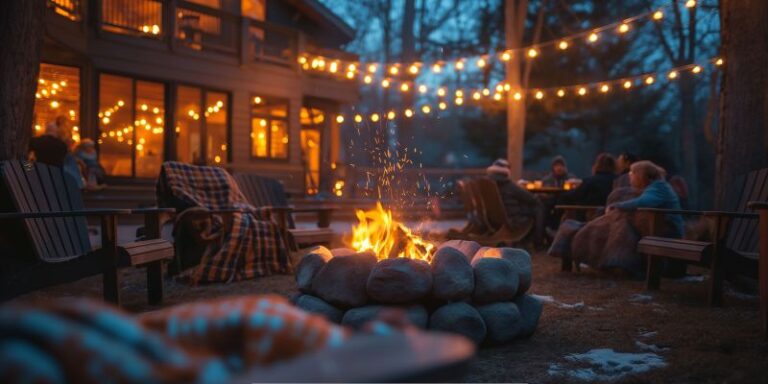
Fire pits are outdoor heating features that have gained popularity as additions to residential outdoor spaces. These installations consist of a contained area designed for burning wood, gas, or other fuel sources to produce heat and flame. Fire pits serve multiple functions including providing warmth, creating ambient lighting, and offering a focal point for outdoor gatherings.
Modern fire pit designs range from portable metal bowls to permanent stone or brick installations. Materials commonly used include steel, cast iron, copper, stone, brick, and concrete. Gas-powered models offer convenience and consistent flame control, while wood-burning varieties provide traditional crackling sounds and wood smoke aroma.
Fire pits can be installed at ground level, raised on pedestals, or built into decking and patio surfaces. Beyond heating, fire pits extend the practical use of outdoor spaces during cooler weather conditions. Many designs incorporate cooking capabilities, allowing users to roast food or heat beverages.
Safety considerations include proper ventilation, clearance from structures and vegetation, and compliance with local fire regulations. Installation typically requires attention to drainage, wind patterns, and proximity to seating areas to optimize both safety and functionality.
Key Takeaways
- Fire pits enhance backyard ambiance and provide a cozy gathering spot.
- DIY fire pit projects can be customized with rustic or modern designs.
- Creative seating and lighting improve comfort and atmosphere around fire pits.
- Combining fire pits with water features and landscaping adds visual appeal.
- Safety measures are essential for enjoyable and secure outdoor fire pit use.
DIY Fire Pit Design and Construction
For those who enjoy hands-on projects, constructing a DIY fire pit can be a rewarding endeavor. The process begins with careful planning, including selecting the right location in the yard that is both safe and accessible. Homeowners should consider factors such as wind direction, proximity to structures, and local regulations regarding open flames.
Once the site is chosen, the design can take shape. Options range from simple stone circles to more elaborate brick or paver constructions, allowing for personal expression in the design. The construction process typically involves gathering materials such as fire-resistant bricks or stones, gravel for drainage, and a metal fire ring for added safety.
After marking the desired shape on the ground, excavation begins to create a level base. Layering gravel at the bottom helps with drainage, while the outer walls are built up with chosen materials. This DIY project not only enhances the backyard but also provides a sense of accomplishment as homeowners create a space that reflects their style and preferences.
Rustic and Natural Fire Pit Setting
A rustic fire pit setting evokes a sense of nostalgia and connection to nature. This style often incorporates natural materials such as stone, wood, and earth tones that blend seamlessly with the surrounding landscape. A simple stone fire pit surrounded by logs or wooden benches can create an inviting atmosphere reminiscent of campfires from childhood.
The use of reclaimed wood for seating or decorative elements adds character and sustainability to the design. To enhance the rustic charm, homeowners can incorporate natural landscaping around the fire pit. Native plants, wildflowers, and ornamental grasses can frame the area, creating a serene environment that invites relaxation.
Twinkling string lights or lanterns hung from nearby trees can add a magical touch during evening gatherings, while the sounds of nature provide a soothing backdrop. This combination of elements fosters an intimate setting perfect for storytelling or quiet reflection.
Modern and Sleek Fire Pit Designs
In contrast to rustic designs, modern fire pits emphasize clean lines and minimalist aesthetics. These contemporary styles often feature materials such as stainless steel, concrete, or glass, creating a sleek look that complements modern architecture. A linear fire pit with a long rectangular shape can serve as a striking centerpiece in a contemporary backyard, while built-in seating made from smooth concrete or stylish outdoor furniture enhances the overall design.
Color palettes in modern fire pit settings tend to be neutral or monochromatic, allowing the flames to take center stage. Incorporating geometric shapes and innovative designs can elevate the visual appeal of the space. For instance, a sunken fire pit surrounded by low-profile seating creates an intimate gathering spot while maintaining a chic appearance.
The combination of modern design elements with functional features ensures that these fire pits not only look good but also serve as practical gathering spots for friends and family.
Creative Seating Arrangements around the Fire Pit
| Fire Pit Type | Material | Average Size (Diameter) | Seating Capacity | Estimated Build Time | Maintenance Level | Popular Backyard Style |
|---|---|---|---|---|---|---|
| Wood-Burning Fire Pit | Stone or Brick | 36-48 inches | 6-8 people | 1-2 days | Medium | Rustic, Traditional |
| Gas Fire Pit | Steel or Concrete | 30-42 inches | 4-6 people | Few hours to 1 day | Low | Modern, Contemporary |
| Portable Fire Pit | Steel or Cast Iron | 20-30 inches | 2-4 people | None (Ready to use) | Low | Casual, Versatile |
| Sunken Fire Pit | Stone or Brick | 48-60 inches | 8-10 people | 2-3 days | Medium | Cozy, Social |
| Fire Pit Table | Concrete, Metal, or Stone | 36-48 inches (table diameter) | 4-6 people | Few hours to 1 day | Low | Contemporary, Functional |
Seating arrangements play a crucial role in enhancing the experience around a fire pit. Traditional options like Adirondack chairs or benches are always popular; however, homeowners can get creative with their seating choices to foster conversation and comfort. For instance, using oversized cushions or poufs can create a relaxed atmosphere where guests can lounge comfortably while enjoying the warmth of the fire.
Incorporating movable seating options allows for flexibility in gatherings. Folding chairs or modular seating can be easily rearranged to accommodate different group sizes or activities. Additionally, integrating built-in seating around the fire pit not only saves space but also creates a cohesive look in the backyard design.
Adding throw blankets and pillows can further enhance comfort while encouraging guests to linger longer around the flames.
Fire Pit Cooking and Grilling Ideas
Fire pits are not just for warmth; they can also serve as versatile cooking stations for outdoor culinary adventures. Homeowners can explore various cooking methods using their fire pits, from roasting marshmallows for s’mores to grilling meats and vegetables over an open flame. Investing in a grill grate that fits over the fire pit allows for easy cooking while enjoying the ambiance of the flames.
For those looking to elevate their outdoor cooking experience, incorporating specialized cooking equipment such as cast iron skillets or Dutch ovens can expand culinary possibilities. These tools allow for simmering stews or baking bread directly over the fire, creating delicious meals infused with smoky flavors. Hosting themed cookouts around the fire pit can also be a fun way to engage guests in cooking together while enjoying each other’s company.
Fire Pit Lighting and Ambiance
Creating the right ambiance around a fire pit is essential for setting the mood during gatherings. While the flickering flames provide natural light, additional lighting elements can enhance the overall atmosphere. String lights draped overhead or lanterns placed strategically around the seating area can add warmth and charm to evening gatherings.
Solar-powered garden lights can also illuminate pathways leading to the fire pit, ensuring safety while enhancing aesthetics. Incorporating candles into the decor adds an intimate touch to the setting. Placing candles in glass holders or lanterns around the fire pit creates a soft glow that complements the flames’ flicker.
Additionally, using colored glass or decorative stones in the fire pit itself can create stunning visual effects when lit, adding an artistic flair to the experience. The combination of natural firelight with thoughtfully placed lighting elements fosters an inviting environment perfect for relaxation and connection.
Fire Pit Safety Tips for Outdoor Gatherings
While fire pits offer enjoyment and warmth, safety should always be a top priority during outdoor gatherings. Homeowners should ensure that their fire pit is placed at least ten feet away from any structures or flammable materials such as trees or furniture. It is also essential to have a clear area around the fire pit free from debris that could catch fire easily.
Establishing rules for safe use is crucial when hosting gatherings around a fire pit. Guests should be reminded not to throw flammable items into the fire and to keep a safe distance from the flames. Having a bucket of water or sand nearby for emergencies is also advisable.
Additionally, homeowners should never leave a fire unattended and should ensure it is completely extinguished before leaving the area or going to bed.
Incorporating Water Features with Fire Pits
The combination of water features with fire pits creates a stunning contrast that enhances any outdoor space’s tranquility and beauty. A small pond or fountain near a fire pit can provide soothing sounds that complement the crackling flames while creating an inviting atmosphere for relaxation. The visual interplay between water and fire adds depth to the landscape design, making it more dynamic.
Homeowners can also consider incorporating features like waterfalls or streams that flow near their fire pit area. This not only enhances aesthetics but also helps create microclimates that keep outdoor spaces comfortable during hot summer days or cool evenings. The combination of these elements encourages guests to linger longer in this serene environment while enjoying both visual beauty and sensory experiences.
Fire Pit Landscaping and Decor Ideas
Landscaping around a fire pit is essential for creating an inviting outdoor space that feels cohesive and well-designed. Homeowners can enhance their fire pit area by incorporating various plants that thrive in their climate while adding color and texture to the surroundings. Low-maintenance perennials or ornamental grasses can frame the area beautifully without requiring excessive upkeep.
Decorative elements such as outdoor rugs, cushions, or throw blankets can further enhance comfort while adding personality to the space. Incorporating art pieces like sculptures or wind chimes can create focal points that draw attention while complementing the natural beauty of the surroundings. By thoughtfully combining landscaping with decor ideas, homeowners can create an enchanting atmosphere that invites relaxation and enjoyment around their fire pits.
Conclusion and Final Tips for Cozy Outdoor Gatherings
In conclusion, creating an inviting outdoor space centered around a fire pit offers endless opportunities for enjoyment and connection with loved ones. Whether opting for rustic charm or modern elegance, homeowners have numerous design options at their disposal to suit their personal style and preferences. By incorporating thoughtful seating arrangements, cooking ideas, lighting elements, and safety measures, they can ensure memorable gatherings filled with warmth and laughter.
As families gather around flickering flames under starlit skies, they create cherished memories that last a lifetime. With careful planning and creativity, any backyard can transform into a cozy haven where stories are shared, friendships are strengthened, and moments are celebrated together around the comforting glow of a fire pit.
FAQs
What are some popular types of fire pits for backyards?
Popular types of fire pits include wood-burning fire pits, propane or natural gas fire pits, and gel fuel fire pits. Each type offers different benefits in terms of ambiance, ease of use, and maintenance.
What materials are commonly used to build fire pits?
Common materials for fire pits include stone, brick, concrete, metal (such as steel or cast iron), and sometimes ceramic. The choice of material affects the fire pit’s durability, appearance, and heat retention.
Are fire pits safe to use in residential backyards?
Yes, fire pits can be safe when used properly. It is important to follow local regulations, maintain a safe distance from structures and flammable materials, use a fire screen if available, and never leave the fire unattended.
Can fire pits be used year-round?
Fire pits can be used year-round in many climates, but usage may be limited by weather conditions such as heavy rain or snow. Some fire pits are designed with covers or accessories to protect them during off-seasons.
What are some design ideas to enhance a backyard fire pit area?
Design ideas include surrounding the fire pit with comfortable seating like benches or chairs, adding decorative stones or pavers, incorporating lighting, and using landscaping elements such as plants or pathways to create an inviting atmosphere.
Do fire pits require special permits or approvals?
Permit requirements vary by location. It is advisable to check with local fire departments or municipal authorities to determine if a permit is needed before installing a fire pit.
How do you maintain a backyard fire pit?
Maintenance includes regularly cleaning out ashes, checking for cracks or damage, covering the fire pit when not in use to protect it from weather, and ensuring gas connections (if applicable) are secure and leak-free.
What fuels can be used in backyard fire pits?
Wood is the traditional fuel for many fire pits. Propane and natural gas are common for gas fire pits, while gel fuel is used in some portable or decorative models. The choice depends on the fire pit type and user preference.
Are there eco-friendly fire pit options?
Yes, some fire pits use cleaner-burning fuels like propane or natural gas, which produce fewer emissions than wood. Additionally, using sustainably sourced wood and following best practices can reduce environmental impact.
Can fire pits increase the value of a home?
A well-designed and properly installed fire pit can enhance outdoor living space and appeal, potentially increasing a home’s value by making the backyard more attractive and functional.