A strong coastal storm is expected to hit the East Coast on Thanksgiving Day, and forecasters are warning that damaging wind gusts could knock out power just as millions of people are cooking dinner. As of Tuesday morning, Nov. 24, 2026, the National Weather Service had High Wind Watches out from the Philadelphia area, Delmarva and New Jersey to New York City and Long Island, with gusts of 50 to 60 mph possible inland and near 70 mph along parts of the Atlantic coast.
The short answer: charge everything Wednesday night, cook or prep what you can early, keep the fridge and freezer closed if the power goes out, and finish a half-cooked turkey right away on another heat source instead of letting it sit. Never run a generator, grill or camp stove inside the house or garage. Here’s what to expect and a step-by-step plan.
Where the Thanksgiving storm could cause outages
Forecasts were still being fine-tuned on Tuesday, but these are the main warnings published so far:
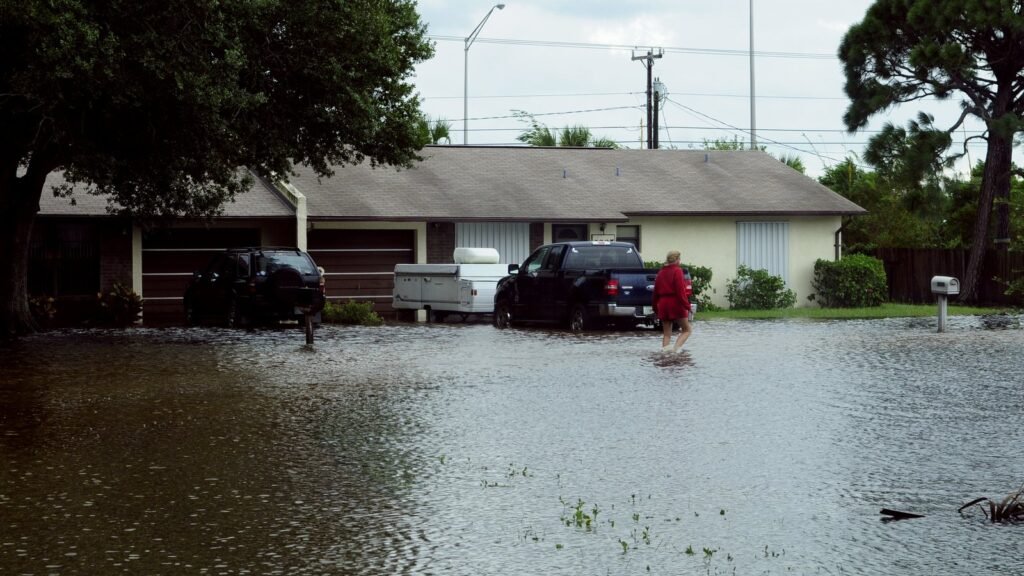
- Philadelphia, New Jersey and Delaware: The NWS office in Mount Holly, N.J., said in its Nov. 24 forecast discussion that impacts start late Wednesday night, peak on Thanksgiving Day and ease into Friday. It expanded the High Wind Watch inland to the entire Philly metro, Delmarva and parts of central and northern New Jersey, and warned that “widespread tree damage and power outages will be possible.” Significant coastal flooding is also expected Thursday. The good news: it expects an all-rain event, with no snow or ice.
- New York City and Long Island: The NWS in New York issued a High Wind Watch for New York City, Nassau and Suffolk counties and parts of northeast New Jersey from Thursday morning through late Thursday night. RiverheadLOCAL reports gusts of up to 60 mph are possible, enough to bring down trees and power lines.
- Connecticut and southern New England: In Connecticut, WFSB says heavy rain and strong winds could arrive around the time many families sit down to eat. Around Boston, NBC Boston expects the worst of the storm Thursday night into Friday morning, with gusts that could top 50 mph on Cape Cod and the Islands.
Utilities are getting ready. Eversource says it is pre-staging crews and extra poles, wires and transformers, and Jersey Central Power & Light told the Daily Caller News Foundation it is bringing in more crews before the storm. Even so, restoring power after widespread tree damage can take time, and the Weather Prediction Center says gusty winds may hang on into Friday and the weekend.
Before Thursday: a power outage plan for Thanksgiving
1. Charge, gather and test (Wednesday night)
Charge phones, power banks and rechargeable flashlights. Give every household member a flashlight, and use flashlights instead of candles. Ready.gov also suggests making a list of everything in your home that needs electricity, including medical devices and refrigerated medicine, and having a backup plan for each one. If you own a generator, test it outside now, not during the storm.
2. Get ahead on the cooking
The storm’s timing helps some areas. In much of New England, the heaviest wind and rain aren’t expected until Thursday evening or night. Starting the turkey early, making sides on Wednesday and having a few dishes that don’t need an oven (salads, cranberry sauce, pies, rolls) gives you a cushion if the power drops in the middle of the afternoon.
3. Get your fridge and freezer ready
Put an appliance thermometer in the fridge and freezer so you can check temperatures without guessing. Freeze some containers of water or gel packs to use in coolers, and keep a cooler handy. A full freezer stays cold longer than a half-empty one, so fill gaps with frozen water bottles.
4. Secure the yard and unplug what you can
Bring in patio furniture, decorations and anything else the wind could throw into a window. If you’re still putting up holiday lights, wait until after the storm. When the power goes out, Ready.gov recommends unplugging appliances and electronics because power can come back with surges; a surge protector for your appliances and electronics also helps.
For the flooding side of the storm (gutters, sump pumps and moving valuables off the basement floor), use our East Coast storm home prep checklist.
If the power goes out while the turkey is cooking
This is the big Thanksgiving question. The USDA’s rule is simple: never partially cook food and finish cooking it later, because that gives bacteria a chance to grow. A half-cooked turkey shouldn’t sit in a cooling oven or go back in the fridge to wait for the power.
What to do instead:
- Check the temperature with a food thermometer so you know how far it has to go.
- Move it to another heat source right away. Options include a gas stovetop or oven that still works (many gas ovens need electricity to ignite, so check yours), a covered outdoor grill, or a neighbor’s or relative’s oven if they still have power.
- Cook it to a safe temperature. Poultry is safe at 165°F, according to the USDA. Check the thickest part of the breast and the innermost thigh.
- Cut it into pieces if the whole bird won’t fit on the grill or is cooking too slowly. Parts cook faster.
Only use grills outdoors, and keep them away from the house. Wind and rain also make outdoor cooking riskier: weather.com advises against frying a turkey when gusts are above 15 mph. Most people will be safer roasting indoors and keeping a backup plan. If you do fry, read our guide to preventing Thanksgiving cooking fires and putting out a grease fire first.
How long food lasts without power
Ready.gov and USDA give the same basic timeline, as long as you keep the doors closed:
- Refrigerator: keeps food cold for about 4 hours.
- Full freezer: holds its temperature for about 48 hours.
- Half-full freezer: about 24 hours.
If the outage will last more than 4 hours, move perishables like the turkey, gravy, stuffing, dairy and leftovers into a cooler with ice. Throw out perishable food that has been at 40°F or above for 2 hours or more, or that smells or looks off. Don’t taste food to test it. As Ready.gov puts it, “When in doubt, throw it out!”
This applies to the dinner table too. USDA says perishable food shouldn’t sit in the “danger zone” between 40°F and 140°F for more than 2 hours. That’s a good rule on any Thanksgiving, but it matters more when the fridge isn’t working.
Generator and heating safety
Carbon monoxide poisoning is one of the biggest risks after storms. Ready.gov’s rules:
- Run generators only outdoors, at least 20 feet from windows, doors and attached garages. Never run one in the garage, even with the door open.
- Keep the generator dry. Touching a wet generator, or devices connected to one, can cause an electric shock.
- Connect appliances with heavy-duty extension cords, and let the generator cool before refueling.
- Never use a gas stove or oven to heat your home.
- Install battery-backup carbon monoxide detectors on every level of the home.
The storm is expected to be all rain, but colder air follows on Friday. If you lose heat for a long time, Ready.gov suggests checking with local officials about warming centers instead of using unsafe heat sources.
After the storm
- Report the outage to your utility through its app or website instead of assuming the neighbors already did. Eversource, for example, takes outage reports in its mobile app.
- Stay away from downed lines. Treat every fallen wire as live and report it to the utility or 911.
- Take photos of any tree, roof or water damage before you clean up, in case you need to file an insurance claim.
- Sort the fridge using the times above before anyone digs into the leftovers.
FAQ
Can I leave a turkey in the oven after the power goes out?
Not to finish later. If the turkey isn’t done, move it to another heat source right away and cook it to 165°F. If it’s fully cooked, serve it within 2 hours or chill it in a cooler with ice.
Is food in the fridge safe after a 6-hour outage?
Perishable food in a closed fridge is safe for about 4 hours. After that, check it with a thermometer. Throw out perishables that have been at 40°F or above for 2 hours or more.
Will the Thanksgiving storm bring snow?
The NWS in Mount Holly expects an all-rain event for its area, including the Poconos. The main threats are high winds and coastal flooding. Snow showers are possible later in parts of the interior Northeast and Great Lakes as the storm moves away on Friday.
Where can I get the latest forecast?
Check weather.gov for your local office’s watches and warnings, and your utility’s outage map for restoration times.
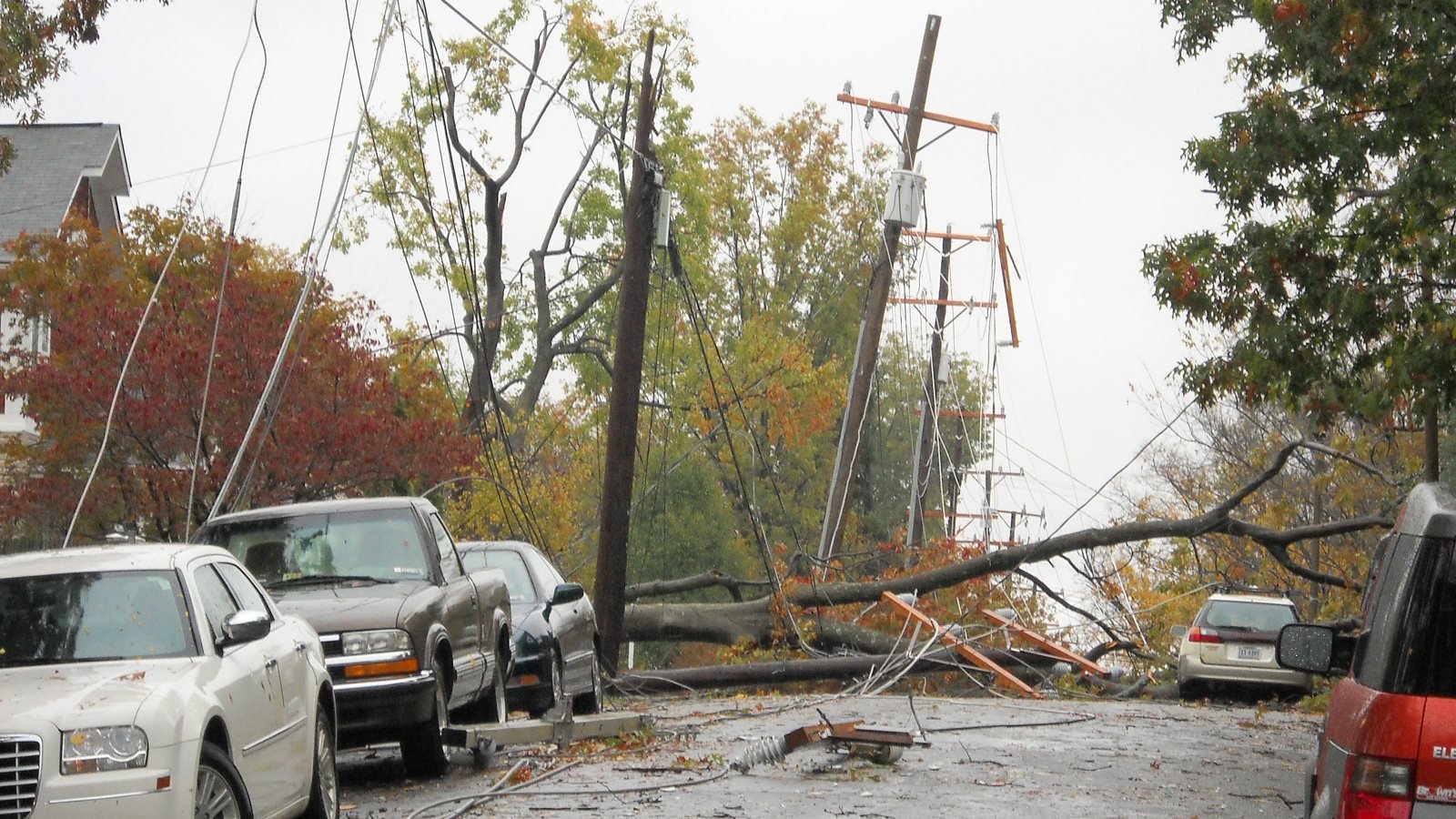
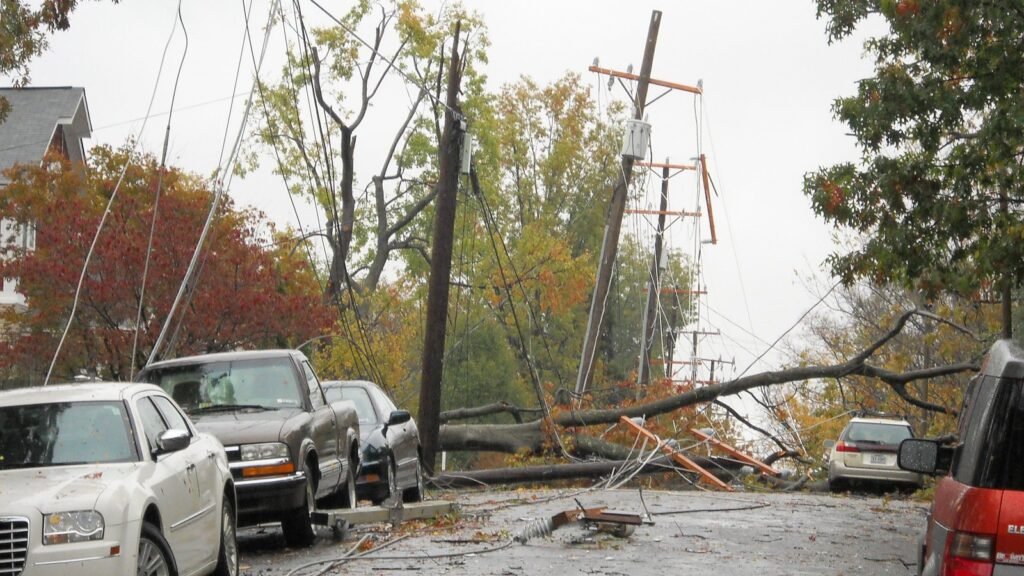
Featured image: “Storm Downed power lines and trees from Storm Sandy” by Arlington County, via Wikimedia Commons, licensed CC BY-SA 2.0 (cropped). File photo from 2012.