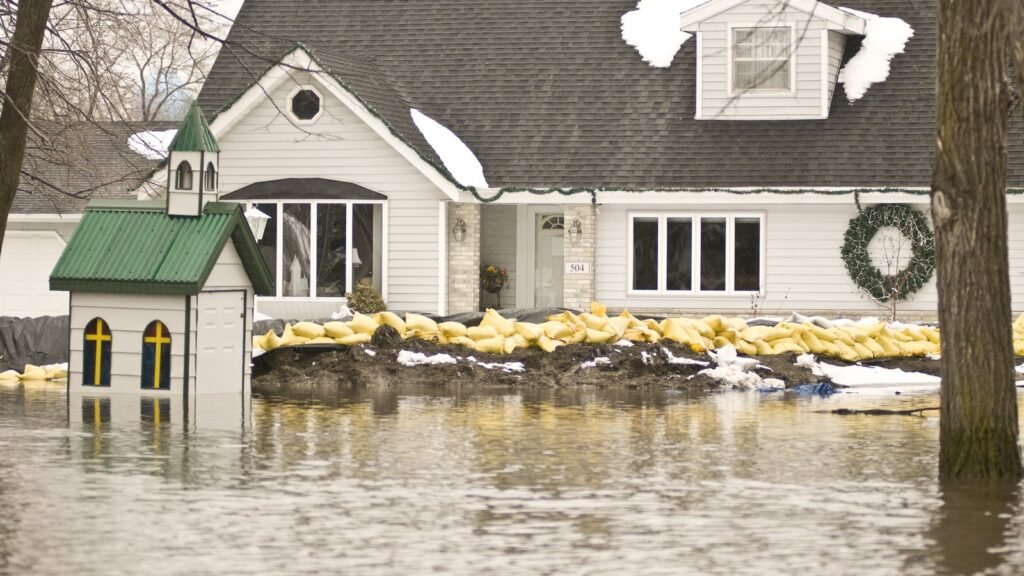
If your home flooded in South Florida last week, don’t wait for FEMA to start your recovery. Florida asked the federal government on November 23, 2026 to declare the November 17–19 flooding a major disaster, but as of November 24 that request is still under review, so FEMA grants for households are not available yet. Report your damage to your city or county now, call your flood insurer if you have a policy, and photograph everything before you throw it out. Those records count for an insurance claim and for any federal aid that comes later.
Here’s where things stand, what to do this week and what help is open right now.
What happened in the South Florida flooding
Days of heavy rain hit Broward and Miami-Dade counties from November 17 to 19. Broward County declared a local state of emergency at 7 a.m. on November 18, and Fort Lauderdale, Hollywood and Tamarac declared their own. Rain totals in Broward topped 15 inches in some places, including 15.44 inches in Sunrise, 15.37 inches in Hollywood and 15.32 inches in Plantation, according to CBS News Miami. Water got into homes, garages and cars, and about 30 Broward public schools reported flooding or damage. Students aren’t expected back until November 30, after Thanksgiving break.
Central Florida was hit too. Governor Ron DeSantis said parts of the state got 15 to 20 inches of rain in a week. State teams have done nearly 500 floodwater rescues and have mucked out more than 250 flooded homes, according to the governor’s office.
Is FEMA help available yet?
Not yet. Homeowners and renters can only get FEMA Individual Assistance after the president approves a major disaster declaration that names their county. DeSantis announced the South Florida request on November 23. FEMA told the Miami Herald that it and an earlier request for Brevard County and Central Florida, filed about two weeks before, are both “currently under review.” A White House spokeswoman said FEMA has sent its recommendation and the president is still reviewing it.
Even if aid is approved, it won’t cover everything. The Herald, citing a congressional report, says FEMA individual assistance grants average under $5,000. That still matters, because about 80% of Floridians don’t have flood insurance, and most homeowners policies in the state exclude flood damage.
The groundwork for aid is already happening. FEMA, the Small Business Administration and state officials toured flooded parts of Davie on November 21 to start a preliminary damage assessment of homes, Davie Today reported. The town noted that the assessment doesn’t guarantee aid. Your damage reports feed into these counts, so file one even if you don’t expect help.
What to do now: a step-by-step checklist
1. Report your damage to your city or county
Broward County runs an online damage assessment form. You enter your address, choose a damage level and say how high the water got. Many cities, including Hollywood, also collect reports with photos. Local officials use these reports to show the state and FEMA how widespread the damage is.
2. Call your flood insurer before you call a contractor
If you have a National Flood Insurance Program (NFIP) or private flood policy, report the loss as soon as possible, with your policy number ready. FEMA’s flood insurance claims checklist says an adjuster should contact you within 48 hours of your report. Keep a log of every call: the date, the time, who you spoke with and what was said.
NFIP building coverage pays up to $250,000 for the structure and up to $100,000 for belongings, if you bought contents coverage, according to NBC 6 South Florida. The Insurance Information Institute told NBC 6 that just one inch of water can cause about $25,000 in damage to a home.
3. Document everything before it goes to the curb
The FEMA checklist says not to throw anything away before the adjuster sees it, unless it’s a health hazard or local rules require you to remove it. Before cleanup:
- Photograph and video every room from several angles, including the water line on walls inside and outside.
- Record the make, model and serial number of damaged appliances and electronics.
- Keep small samples of carpet, flooring and blinds you remove.
- Make a list of damaged belongings with their approximate age and replacement cost.
- Save receipts for cleanup supplies, fans, dehumidifiers and any emergency repairs.
4. Ask about an advance payment and watch the deadlines
When you meet the adjuster, ask to see their Flood Control Number card and a government photo ID. You can ask for an advance partial payment of your claim. The FEMA checklist says to send your supporting documents to your insurer within 60 days of the flood, or by the date your insurer gives you. For flooding on November 17–19, 60 days falls in mid-January. If you find more damage later, you can ask for an additional payment even after the claim seems settled. If your claim is denied, you have 60 days from the insurer’s letter to appeal to FEMA.
5. Dry out fast to stop mold
South Florida’s warm, humid weather speeds up mold growth. The EPA advises drying water-damaged areas and items within 24 to 48 hours to prevent mold. Pull out wet carpet, padding and drywall that soaked up water (after you photograph them), run fans and dehumidifiers, and open windows when the air outside is drier. For longer-term habits, see our guide to preventing mold and mildew growth in your home.
Treat floodwater as contaminated. CBS News Miami reported that septic backups in Hollywood’s Playland Estates mixed sewage with floodwater. Wear gloves, boots and a mask when you clean up, and wash any skin that touches the water.
6. Vet contractors carefully
Door-to-door repair offers are common after floods. Before you sign anything, check the contractor’s license with the Florida Department of Business and Professional Regulation at MyFloridaLicense.com, get written estimates and avoid paying large sums up front. If you have insurance, check with your adjuster before you hire anyone for major work. Our guide on when to hire a contractor instead of doing it yourself covers the basics of choosing a pro.
Help you can get right now
- Multi-Agency Resource Center in Broward: The state opened one on November 24 at the City Hall Parking Garage in Dania Beach, where residents can meet state agencies and recovery groups. All state resource centers close on Thanksgiving Day.
- Muck-and-gut help: State teams are removing wet materials from flooded homes. Check FloridaDisaster.org/Updates for current resources.
- Insurance questions: The Florida Department of Financial Services Insurance Consumer Helpline is 1-877-693-5236.
- Finding your flood insurer: The FEMA helpline is 800-621-3362.
- Businesses: FloridaCommerce’s Business Damage Assessment Survey (“2026 Fall Flooding”) records losses. It isn’t an application for money. The state’s ESF 18 team (850-815-4925) can help businesses with tarps, cleanup buckets and temporary power.
If you don’t have flood insurance
Your homeowners policy probably won’t pay for rising water. NBC 6 reports that standard Florida homeowners policies specifically exclude flood damage. Rain that came in through a roof damaged by wind is a different matter, so ask your homeowners insurer how your policy handles it. For now, report your damage, keep your photos and receipts, and register with FEMA if a declaration is approved for your county.
Buying a policy now won’t cover last week’s flood, because NFIP policies usually take 30 days to start. It can protect you next time, though. Our guide explains how to buy flood insurance online through FEMA’s NFIP Direct. If more storms are on the way, our storm prep checklist for heavy rain and flooding covers what to do before the water rises.
FAQ
Does car insurance cover flood damage?
Only if you have comprehensive coverage. CBS News Miami notes that liability-only auto policies usually don’t cover flooded vehicles.
When will FEMA decide?
There’s no set date. The Miami Herald reports that declarations have taken more than twice as long on average as in the past. We’ll update this article when a decision is announced.
This article is general information, not insurance or legal advice. Check your own policy and talk to your insurer about your claim.
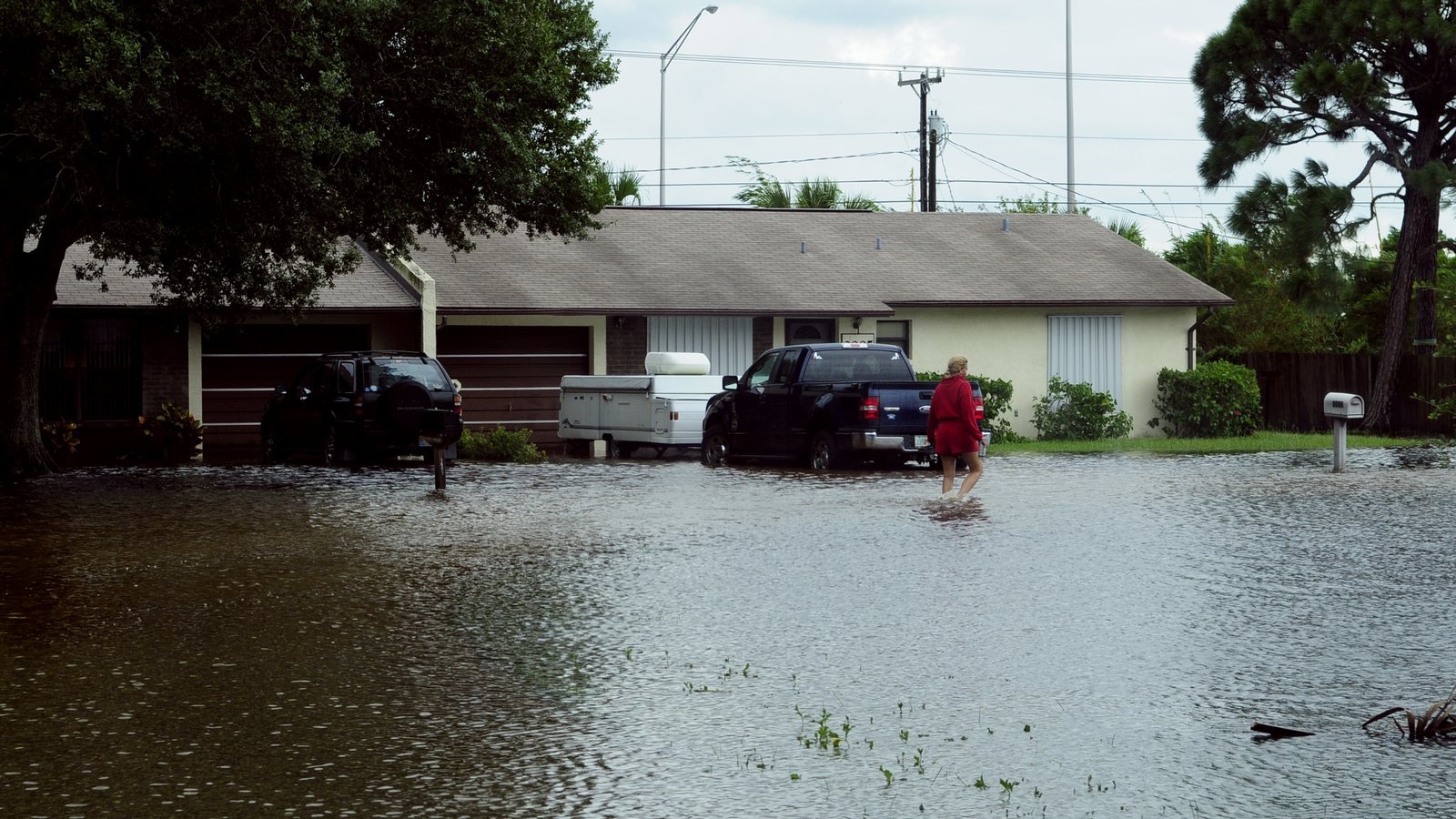
Featured photo: A Florida home surrounded by floodwater after Tropical Storm Fay in 2008 (file photo), by Barry Bahler/FEMA, via Wikimedia Commons, public domain.