Maintaining a property goes far beyond routine cleaning and occasional repairs. One of the most overlooked yet essential aspects of property upkeep is effective waste management. Whether you are a homeowner, landlord, or property manager, the way waste is handled can have a direct impact on the condition, safety, and long-term value of a property.
From construction debris to everyday household rubbish, waste accumulation can quickly become a serious issue if not managed properly. On the other hand, a well-structured waste management approach helps preserve property aesthetics, protect structural integrity, and enhance overall market appeal. This article explores the role waste management plays in property maintenance and how it contributes to sustaining and increasing property value.
Why Waste Management Matters in Property Maintenance
At its core, property maintenance is about preserving the condition and functionality of a building or space. Waste, if left unmanaged, disrupts this balance in several ways.
Firstly, accumulated waste can create an unsightly environment. Overflowing bins, scattered debris, and neglected outdoor areas immediately reduce the visual appeal of a property. This is particularly important for landlords or those preparing a property for sale, where first impressions play a crucial role.
Secondly, unmanaged waste can lead to hygiene and health concerns. Organic waste, for instance, attracts pests such as rodents and insects, which can cause damage and pose risks to occupants. Additionally, certain types of waste may produce unpleasant odours or harbour bacteria, further affecting the liveability of a space.
Finally, improper waste disposal can result in structural issues. Construction materials, heavy debris, or water-retaining waste can place strain on surfaces, block drainage systems, and contribute to long-term deterioration.
The Link Between Cleanliness and Property Value
Property value is influenced by both tangible and intangible factors. While location and structural integrity are key, cleanliness and maintenance also carry significant weight.
A clean and well-maintained property signals to buyers or tenants that the space has been cared for. This perception often translates into higher property value and stronger demand. In contrast, properties with visible waste issues tend to be viewed as neglected, which can lead to reduced offers or longer time on the market.
In rental properties, effective waste management also contributes to tenant satisfaction. Tenants are more likely to stay in a property that is clean, organised, and easy to maintain. This reduces vacancy rates and ensures a more consistent income stream for landlords.
Waste Management During Renovations and Repairs
Renovation projects are one of the most common sources of large-scale waste. Whether it is a kitchen upgrade, landscaping project, or full property refurbishment, significant amounts of debris are generated.
Without a proper system in place, this waste can quickly overwhelm the site. Piles of materials not only create hazards but also slow down progress and increase the risk of damage to surrounding areas.
Using structured waste solutions, such as skip bins, allows for efficient collection and removal of debris. Services like those offered by JACS Bins are often integrated into renovation workflows to ensure waste is managed responsibly and without disrupting the project timeline.
By keeping the site organised and free from clutter, property owners can maintain safety standards and ensure that renovation work contributes positively to the property’s value.
Preventing Long-Term Damage Through Proper Disposal
Certain types of waste can cause lasting damage if not handled correctly. For example, building materials left exposed to the elements may leach chemicals into surfaces or surrounding soil. Similarly, blocked gutters or drains caused by debris can lead to water damage, which is often costly to repair.
Regular waste removal helps prevent these issues before they escalate. By clearing away unwanted materials promptly, property owners can protect both the structural integrity and the surrounding environment.
This proactive approach also supports compliance with local regulations. Improper disposal of certain waste types can result in fines or legal complications, which can further impact property value and reputation.
Enhancing Kerb Appeal Through Waste Control
Kerb appeal plays a significant role in how a property is perceived. The exterior is the first thing people notice, and even minor signs of neglect can leave a lasting impression.
Effective waste management ensures that outdoor areas remain tidy and presentable. This includes maintaining clean driveways, organised storage areas, and clutter-free gardens.
For homeowners preparing to sell, investing time in waste removal can significantly enhance presentation. Simple actions such as clearing out unwanted items, disposing of green waste, and organising outdoor spaces can make a property appear more spacious and inviting.
In commercial properties, a clean exterior reflects professionalism and attention to detail. This can influence customer perceptions and contribute to business success.
Supporting Sustainable Property Practices
Sustainability is becoming increasingly important in property management. Buyers and tenants are more conscious of environmental impact, and properties that align with sustainable practices are often more desirable.
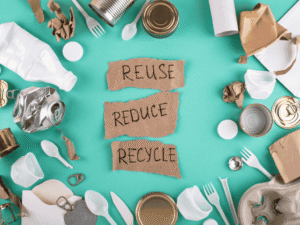
Responsible waste management plays a key role in this shift. Recycling, reusing materials, and reducing landfill contributions all contribute to a more sustainable approach.
Many waste service providers, including JACS Bins, focus on sorting and recycling materials wherever possible. This not only reduces environmental impact but also aligns with broader sustainability goals.
Incorporating eco-friendly waste practices can enhance a property’s appeal, particularly among environmentally conscious buyers or tenants. It also positions the property as forward-thinking and aligned with modern expectations.
The Role of Waste Management in Compliance and Safety
Property owners have a responsibility to ensure that their spaces are safe and compliant with local regulations. Waste management is a critical component of this responsibility.
Improperly stored or disposed waste can create safety hazards. Sharp objects, hazardous materials, and unstable piles of debris all pose risks to occupants and visitors. In commercial settings, these risks can extend to employees and customers.
Regular waste removal helps maintain a safe environment and reduces the likelihood of accidents. It also ensures compliance with waste disposal regulations, which can vary depending on the type of material involved.
For landlords and property managers, maintaining compliance is essential to avoid legal issues and protect their investment.
Streamlining Property Maintenance with Efficient Systems
One of the key benefits of effective waste management is improved efficiency. When waste is handled systematically, routine maintenance becomes easier and more manageable.
For example, having a designated system for waste collection and disposal reduces clutter and allows maintenance teams to focus on more critical tasks. It also minimises disruptions, particularly in multi-tenant properties where shared spaces must remain accessible.
Skip bin hire services provide a practical solution for managing both ongoing and one-off waste needs. By having a reliable method for waste removal, property owners can streamline operations and maintain consistent standards.
Waste Management in Different Property Types
The approach to waste management can vary depending on the type of property.
Residential Properties
In residential settings, waste management focuses on household rubbish, garden waste, and occasional renovation debris. Regular collection and proper sorting are key to maintaining cleanliness and functionality.
Rental Properties
For landlords, waste management includes ensuring that tenants have access to appropriate disposal options. Clear guidelines and regular maintenance help prevent issues such as overflow or misuse.
Commercial Properties
Commercial spaces often generate larger volumes of waste, including packaging, office materials, and specialised waste types. Structured systems and professional services are essential to handle these efficiently.
Construction Sites
Construction and renovation projects require dedicated waste solutions due to the volume and nature of materials involved. Proper handling is critical to ensure safety and compliance.
Practical Tips for Effective Waste Management
To maximise the benefits of waste management in property maintenance, consider the following practical steps:
- Establish a regular waste removal schedule to prevent build-up
- Separate recyclable materials from general waste
- Use appropriate containers for different types of waste
- Address waste issues promptly to avoid escalation
- Work with reliable waste service providers for larger projects
By implementing these practices, property owners can maintain a clean, safe, and efficient environment.
How Waste Management Influences Long-Term Investment Value
Property is often considered a long-term investment, and its value is influenced by ongoing maintenance decisions. Waste management, while sometimes overlooked, plays a significant role in this equation.
A property that is consistently well-maintained is less likely to require costly repairs. It also retains its appeal over time, making it more attractive to potential buyers or tenants.
In contrast, neglecting waste management can lead to gradual deterioration. What starts as a minor issue can evolve into more serious problems that impact both usability and value.
By prioritising waste management, property owners can protect their investment and ensure that it continues to perform well in the market.
Conclusion
Waste management is an integral part of property maintenance that directly influences both condition and value. From preventing damage and enhancing kerb appeal to supporting sustainability and compliance, its impact is far-reaching.
While it may not always be the most visible aspect of property care, effective waste management underpins many of the qualities that make a property desirable and functional. Incorporating structured systems and working with reliable services, such as those provided by JACS Bins, can help property owners maintain high standards without unnecessary complexity.
Ultimately, managing waste responsibly is not just about keeping a space clean. It is about preserving value, ensuring safety, and creating an environment that stands the test of time.