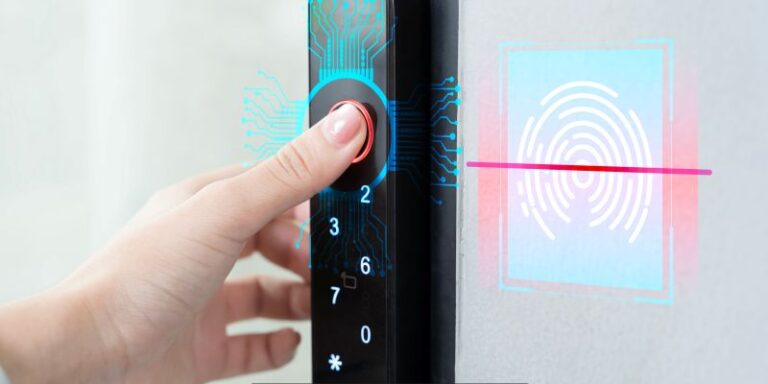
Smart locks represent a significant advancement in residential security technology, combining convenience with enhanced security capabilities. Unlike conventional locks that depend exclusively on physical keys, smart locks employ electronic mechanisms to secure entry points, enabling homeowners to manage access through smartphones, digital keypads, or biometric authentication systems. This technology provides improved security while offering greater flexibility and user convenience compared to traditional mechanical locks.
With increasing urbanization and growing demand for efficient home management solutions, smart locks have become a viable option for contemporary residential applications. Smart lock technology incorporates various connectivity protocols, including Bluetooth, Wi-Fi, and Z-Wave communication standards. These systems allow users to remotely control door locks, monitor access activity through real-time notifications, and provide temporary access credentials to visitors or service personnel.
Smart locks can integrate with comprehensive home automation ecosystems, enabling coordination with security cameras, alarm systems, and other connected devices. As homeowners increasingly adopt intelligent home technologies, understanding smart lock functionality and capabilities has become important for making informed security decisions.
Key Takeaways
- Smart locks enhance home security by offering keyless entry and remote access features.
- Various types of smart locks include keypad, biometric, and Bluetooth-enabled models.
- Integration with home automation systems allows seamless control and monitoring of smart locks.
- Key factors in choosing a smart lock include compatibility, security features, and ease of installation.
- Regular maintenance and troubleshooting ensure the reliability and longevity of smart locks.
Benefits of Smart Locks for Home Security
The primary advantage of smart locks lies in their ability to bolster home security significantly. Traditional keys can be lost, stolen, or duplicated, posing a risk to homeowners. In contrast, smart locks eliminate the need for physical keys, reducing the chances of unauthorized access.
Many models come equipped with advanced features such as auto-locking mechanisms and tamper alerts, which provide an additional layer of protection. This proactive approach to security ensures that homeowners can feel confident in their choice of locking systems. Moreover, smart locks offer unparalleled convenience.
Homeowners can manage access without needing to be physically present at their doors. This feature is particularly beneficial for those who frequently have visitors or service personnel entering their homes. With the ability to create temporary access codes or send digital keys via smartphone apps, homeowners can maintain control over who enters their property and when.
This flexibility not only enhances security but also simplifies daily life, making it easier to manage access for family members, friends, and service providers.
Types of Smart Locks Available
Smart locks come in various types, each designed to cater to different needs and preferences. One of the most common types is the keypad lock, which allows users to enter a code to unlock the door. This option is particularly popular among families, as it eliminates the need for physical keys while still providing a straightforward method of access.
Keypad locks can also be programmed with multiple codes, enabling different family members or guests to have their unique entry codes. Another popular option is the smart deadbolt, which often combines traditional locking mechanisms with electronic features. These locks typically require a smartphone app or a key fob for operation and may include additional features such as remote locking and unlocking capabilities.
Biometric locks are also gaining traction; these utilize fingerprint recognition technology to grant access. This type of lock offers a high level of security since fingerprints are unique to each individual, making unauthorized access nearly impossible.
Factors to Consider When Choosing a Smart Lock
When selecting a smart lock, several factors should be taken into account to ensure that it meets the homeowner’s specific needs. One crucial consideration is compatibility with existing door hardware. Not all smart locks fit every door type; therefore, homeowners must verify that the chosen lock is suitable for their door’s size and design.
Additionally, the installation process can vary significantly between models, so understanding whether professional installation is required or if it can be done independently is essential. Another important factor is connectivity options. Homeowners should consider whether they prefer Bluetooth, Wi-Fi, or Z-Wave connectivity based on their existing home automation systems.
Each technology has its advantages and limitations; for instance, Wi-Fi-enabled locks allow for remote access from anywhere with an internet connection but may consume more battery power than Bluetooth models. Furthermore, evaluating the lock’s battery life and backup options is vital to ensure reliability during power outages or battery failures.
Installation Process for Smart Locks
| Feature | Description | Typical Range/Value | Importance |
|---|---|---|---|
| Lock Type | Type of locking mechanism used | Deadbolt, Lever, Mortise | High |
| Connectivity | How the lock connects to devices or networks | Bluetooth, Wi-Fi, Z-Wave, Zigbee | High |
| Power Source | Type of power supply | Battery (AA, rechargeable), Wired | Medium |
| Battery Life | Duration before battery replacement or recharge | 6 months to 1 year | High |
| Access Methods | Ways to unlock the door | Keypad, Smartphone app, Physical key, Fingerprint | High |
| Security Features | Additional security measures | Auto-lock, Tamper alerts, Encryption | High |
| Installation Type | How the lock is installed | DIY, Professional | Medium |
| Compatibility | Works with smart home systems | Amazon Alexa, Google Assistant, Apple HomeKit | Medium |
| Operating Temperature | Temperature range for reliable operation | -20°C to 50°C (-4°F to 122°F) | Low |
| Weight | Physical weight of the lock | 0.5 to 1.5 kg | Low |
The installation process for smart locks can vary depending on the model and type chosen. Many smart locks are designed for easy installation and can be completed by homeowners without professional assistance. Typically, this involves removing the existing deadbolt or lock mechanism and replacing it with the new smart lock unit.
Most manufacturers provide detailed instructions and necessary tools to facilitate this process. However, some models may require more complex installation procedures that involve wiring or integration with existing home security systems. In such cases, homeowners may opt to hire a professional locksmith or technician to ensure proper installation and functionality.
Regardless of the chosen method, it is crucial to follow the manufacturer’s guidelines closely to avoid potential issues that could compromise security.
Integrating Smart Locks with Home Automation Systems
One of the most appealing aspects of smart locks is their ability to integrate seamlessly with home automation systems. This integration allows homeowners to create a cohesive smart home environment where various devices communicate and work together efficiently. For instance, a smart lock can be programmed to automatically unlock when a homeowner approaches the door with their smartphone in hand, enhancing convenience and security.
Additionally, integrating smart locks with other home automation devices can enhance overall security measures. For example, when a smart lock is connected to a home security system, it can trigger alarms or send notifications if unauthorized access is attempted. Furthermore, homeowners can set up routines that link their smart locks with lighting systems; when the door is unlocked at night, outdoor lights can automatically illuminate for added safety.
Remote Access and Monitoring Features of Smart Locks
Remote access is one of the standout features of smart locks that sets them apart from traditional locking mechanisms. Homeowners can control their locks from anywhere using a smartphone app, allowing them to lock or unlock doors remotely as needed. This feature is particularly useful for those who may forget to secure their doors before leaving home or for those who want to grant access to visitors while away.
Monitoring capabilities further enhance the appeal of smart locks. Many models provide real-time notifications regarding door activity, alerting homeowners when their doors are locked or unlocked. Some advanced systems even offer activity logs that track who accessed the door and when.
This level of monitoring not only provides peace of mind but also allows homeowners to maintain better control over who enters their homes.
Enhancing Home Security with Smart Locks
Smart locks play a pivotal role in enhancing overall home security by providing advanced features that traditional locks lack. For instance, many smart locks come equipped with built-in alarms that activate if someone attempts to tamper with the lock or force entry. This immediate alert system can deter potential intruders and notify homeowners of suspicious activity.
Moreover, the ability to create temporary access codes for guests or service providers adds another layer of security. Homeowners can grant access without needing to provide physical keys, which can be easily lost or duplicated. Once the visit is over, these codes can be deleted or changed instantly through the smartphone app, ensuring that access is tightly controlled at all times.
Managing Access and Permissions with Smart Locks
Managing access permissions is one of the most significant advantages offered by smart locks. Homeowners can easily create unique codes for family members, friends, or service personnel, allowing them to enter without needing a physical key. This feature is particularly beneficial for families with children who may need access while parents are away or for those who frequently host guests.
Additionally, many smart lock systems allow users to set time-limited access codes that automatically expire after a specified period. This feature is ideal for service providers such as cleaners or maintenance workers who only need temporary access to the home. By managing permissions effectively through a smartphone app, homeowners can maintain control over who has access to their property at all times.
Troubleshooting and Maintenance of Smart Locks
Like any technology, smart locks may encounter issues that require troubleshooting and maintenance over time. Common problems include connectivity issues due to weak Wi-Fi signals or low battery levels affecting performance. Homeowners should regularly check battery levels and replace batteries as needed to ensure consistent functionality.
In addition to battery maintenance, keeping software updated is crucial for optimal performance and security enhancements. Many manufacturers release firmware updates that address bugs or improve features; therefore, homeowners should stay informed about these updates and install them promptly. If problems persist despite troubleshooting efforts, contacting customer support or consulting professional locksmith services may be necessary.
Future Trends in Smart Lock Technology
As technology continues to evolve rapidly, so too does the landscape of smart lock innovations. Future trends indicate an increasing focus on enhanced security features such as artificial intelligence (AI) integration and machine learning capabilities that can analyze user behavior patterns for improved security measures. These advancements could lead to smarter locking systems that adapt based on usage patterns and potential threats.
Additionally, advancements in biometric technology may pave the way for more sophisticated locking mechanisms that utilize facial recognition or advanced fingerprint scanning methods. As consumers become more aware of privacy concerns surrounding data collection and storage, manufacturers will likely prioritize developing secure systems that protect user information while providing convenience and accessibility. In conclusion, smart locks represent a significant advancement in home security technology by offering convenience, flexibility, and enhanced safety features compared to traditional locking mechanisms.
As homeowners increasingly seek intelligent solutions for managing their living spaces effectively, understanding the various aspects of smart locks—from types available to installation processes—becomes essential in making informed decisions about home security systems.
FAQs
What is a smart lock for a front door?
A smart lock is an electronic lock that allows you to lock and unlock your front door using a smartphone, keypad, fingerprint, or other wireless methods instead of a traditional key.
How do smart locks work?
Smart locks connect to your home Wi-Fi or use Bluetooth to communicate with your smartphone or other authorized devices. You can control the lock remotely, grant access to guests, and monitor entry activity through a mobile app.
Are smart locks secure?
Smart locks use encryption and security protocols to protect against hacking. However, their security depends on the quality of the lock, the strength of your Wi-Fi network, and regular software updates.
Can I still use a traditional key with a smart lock?
Many smart locks come with a traditional key option as a backup in case of battery failure or technical issues.
Do smart locks require batteries?
Yes, most smart locks are battery-powered and will need periodic battery replacements. Some models provide low-battery alerts through their app.
Can smart locks be installed on any front door?
Smart locks are designed to fit most standard doors, but compatibility depends on the door’s thickness, lock type, and existing hardware. It’s important to check the manufacturer’s specifications before purchasing.
What features do smart locks typically offer?
Common features include remote locking/unlocking, temporary or permanent digital keys for guests, activity logs, integration with smart home systems, voice control, and auto-locking functions.
Are smart locks easy to install?
Many smart locks are designed for DIY installation and come with detailed instructions. However, some models may require professional installation, especially if they involve replacing existing deadbolts or wiring.
Can smart locks be hacked?
While smart locks use encryption to prevent unauthorized access, no system is completely immune to hacking. Choosing reputable brands and keeping software updated reduces the risk.
What happens if the smart lock loses internet or power?
If the lock loses internet connectivity, you may still be able to control it via Bluetooth when nearby. Battery power is essential; if batteries die, you can usually use a physical key or keypad code to unlock the door.