In recent years, the emphasis on sustainability has transformed the landscape of interior design. Designers and homeowners alike are increasingly prioritizing eco-friendly materials that not only reduce environmental impact but also enhance the aesthetic appeal of spaces. Sustainable materials such as bamboo, reclaimed wood, and recycled metals are becoming staples in modern decor.
These materials not only boast durability but also tell a story of responsible sourcing and environmental stewardship. By choosing sustainable options, individuals contribute to a larger movement aimed at reducing waste and promoting a healthier planet. Moreover, eco-friendly designs extend beyond mere material selection.
They encompass a holistic approach to creating spaces that are energy-efficient and promote well-being. For instance, the use of low-VOC (volatile organic compounds) paints and finishes ensures that indoor air quality remains high, benefiting the health of inhabitants. Additionally, designs that incorporate natural light through strategically placed windows or skylights can significantly reduce reliance on artificial lighting, further minimizing energy consumption.
As awareness of environmental issues grows, the demand for sustainable materials and eco-friendly designs continues to rise, shaping the future of interior spaces.
Key Takeaways
- Emphasis on eco-friendly materials and sustainable design practices is growing in home decor.
- Integration of smart technology enhances convenience and connectivity in living spaces.
- Minimalist, multifunctional furniture supports efficient use of space and modern lifestyles.
- Incorporating natural elements and biophilic design promotes well-being and a connection to nature.
- Personalized, handcrafted, and culturally inspired decor adds uniqueness and character to homes.
Smart Home Integration and Technology
The integration of smart home technology has revolutionized the way individuals interact with their living spaces. From automated lighting systems to smart thermostats, technology is seamlessly woven into the fabric of modern homes. This trend not only enhances convenience but also promotes energy efficiency, allowing homeowners to monitor and control their energy usage with ease.
For instance, smart lighting can be programmed to adjust based on natural light levels, ensuring that energy is used judiciously while creating a comfortable ambiance. Furthermore, the rise of smart home integration has led to the development of interconnected systems that enhance security and comfort. Homeowners can now control their security cameras, door locks, and alarms remotely through their smartphones, providing peace of mind whether they are at home or away.
Additionally, voice-activated assistants have become commonplace, allowing individuals to manage their home environment effortlessly. As technology continues to evolve, the possibilities for smart home integration are boundless, promising a future where homes are not only more efficient but also more attuned to the needs of their inhabitants.
Minimalist and Multifunctional Furniture
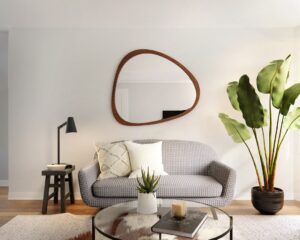
The minimalist design movement has gained traction as individuals seek to simplify their lives and declutter their spaces. Minimalist furniture emphasizes clean lines, functional forms, and a lack of unnecessary ornamentation. This approach not only creates a sense of calm but also allows for greater flexibility in how spaces are utilized.
Multifunctional furniture has emerged as a key component of this trend, offering solutions that maximize space without sacrificing style. For example, a coffee table that doubles as storage or a sofa bed that transforms into a guest bed exemplifies how design can be both practical and aesthetically pleasing. In addition to promoting efficiency, minimalist and multifunctional furniture encourages intentional living.
By investing in pieces that serve multiple purposes, individuals can curate their environments with care, focusing on quality over quantity. This shift in mindset fosters a deeper connection to one’s belongings and encourages a more mindful approach to consumption. As urban living spaces become increasingly compact, the demand for minimalist and multifunctional furniture will likely continue to grow, shaping the way people design their homes.
Biophilic Design and Bringing the Outdoors In
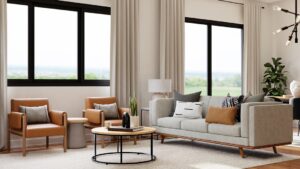
Biophilic design is an innovative approach that seeks to reconnect individuals with nature within their living environments. This design philosophy emphasizes the incorporation of natural elements—such as plants, water features, and natural light—into interior spaces. By doing so, biophilic design not only enhances aesthetic appeal but also promotes mental well-being and reduces stress levels.
Research has shown that exposure to nature can improve mood and cognitive function, making biophilic design an essential consideration for modern interiors. In practice, biophilic design can take many forms. Indoor gardens, living walls, and strategically placed windows that frame outdoor views are just a few examples of how designers are bringing the outdoors in.
Additionally, natural materials like stone and wood can evoke a sense of tranquility and connection to the earth. As urbanization continues to rise, the need for biophilic design becomes increasingly important, offering a sanctuary from the hustle and bustle of city life while fostering a deeper appreciation for the natural world.
Personalized and Customized Decor
| Trend | Description | Popularity (%) | Key Materials | Color Palette |
|---|---|---|---|---|
| Biophilic Design | Incorporating natural elements like plants and natural light to create a connection with nature. | 78% | Wood, Stone, Live Plants | Earthy Greens, Browns, Soft Neutrals |
| Sustainable Materials | Use of eco-friendly and recycled materials in furniture and decor. | 65% | Bamboo, Recycled Metals, Organic Fabrics | Muted Tones, Natural Hues |
| Maximalism | Bold patterns, vibrant colors, and eclectic decor pieces for a personalized look. | 52% | Velvet, Patterned Fabrics, Mixed Metals | Jewel Tones, Bright Colors |
| Smart Home Integration | Incorporating technology seamlessly into home decor for convenience and style. | 60% | Glass, Metal, Smart Devices | Neutral Base with Accent Colors |
| Artisanal Craftsmanship | Handmade and unique decor items emphasizing craftsmanship and tradition. | 55% | Ceramics, Handwoven Textiles, Wood | Warm Neutrals, Terracotta, Deep Blues |
In an era where individuality is celebrated, personalized and customized decor has become a prominent trend in interior design. Homeowners are increasingly seeking ways to infuse their unique personalities into their spaces, moving away from cookie-cutter designs that lack character. Customization allows individuals to select colors, materials, and layouts that resonate with their personal style, creating environments that feel truly reflective of who they are.
This trend extends beyond mere aesthetics; it encompasses the emotional connection individuals have with their spaces. Personalized decor can include family heirlooms, artwork created by local artists, or even custom furniture designed specifically for a particular room. These elements not only enhance the visual appeal of a space but also tell a story that resonates with its inhabitants.
As people continue to prioritize authenticity in their homes, personalized and customized decor will remain at the forefront of interior design trends.
Artisan and Handcrafted Pieces
The resurgence of artisan and handcrafted pieces in interior design speaks to a growing appreciation for craftsmanship and individuality. In an age dominated by mass production, many individuals are seeking unique items that reflect artistry and skill. Handcrafted furniture, textiles, and decor items not only add character to spaces but also support local artisans and sustainable practices.
Each piece carries its own story and history, making it a meaningful addition to any home. Moreover, incorporating artisan pieces into interior design fosters a sense of connection between people and their environments. These items often showcase traditional techniques passed down through generations, celebrating cultural heritage while adding depth to modern spaces.
As consumers become more conscious of their purchasing decisions, the demand for artisan and handcrafted pieces is likely to grow, enriching homes with authenticity and charm.
Global and Cultural Influences in Decor
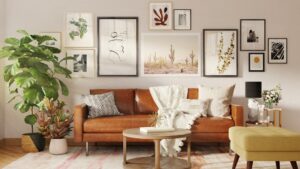
The world is becoming increasingly interconnected, leading to a rich tapestry of global influences in interior design. Homeowners are drawing inspiration from diverse cultures, incorporating elements that reflect their travels or heritage into their decor. This trend celebrates diversity while creating unique environments that tell stories from around the globe.
From Moroccan tiles to Scandinavian minimalism, global influences offer endless possibilities for creative expression. Incorporating cultural elements into decor can also foster inclusivity and understanding among different communities. By embracing various styles and traditions, individuals create spaces that honor diversity while promoting dialogue about cultural significance.
This blending of influences not only enriches personal spaces but also contributes to a broader appreciation for global artistry in interior design.
Bold Colors and Statement Pieces
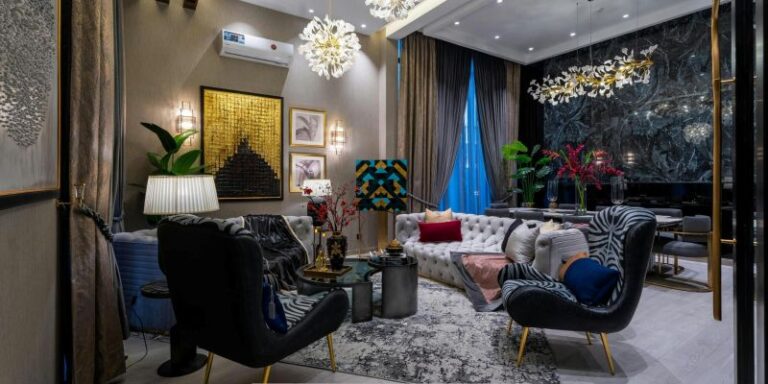
As design trends evolve, bold colors and statement pieces have made a triumphant return in contemporary interiors. Homeowners are increasingly willing to experiment with vibrant hues that evoke emotion and create focal points within their spaces. Whether it’s a striking accent wall painted in deep emerald green or a bright yellow sofa that commands attention, bold colors can transform an ordinary room into an extraordinary one.
Statement pieces—such as oversized artwork or unique sculptures—serve as conversation starters while adding personality to interiors. These elements allow individuals to express their creativity and make bold choices that reflect their tastes. As more people embrace individuality in their decor choices, the use of bold colors and statement pieces will likely continue to flourish in modern design.
Retro and Vintage Revival
Nostalgia plays a significant role in shaping contemporary design trends, leading to a revival of retro and vintage aesthetics in home decor. Many individuals are drawn to the charm and character of bygone eras, seeking out vintage furniture and decor items that evoke memories of the past. This trend not only adds warmth to spaces but also promotes sustainability by encouraging the reuse of existing items rather than opting for new mass-produced alternatives.
Incorporating retro elements into modern interiors creates an eclectic mix that celebrates both history and innovation. Vintage finds can be paired with contemporary pieces to create a harmonious balance between old and new. As homeowners continue to seek authenticity in their spaces, the retro and vintage revival will remain a prominent influence in interior design.
Flexible and Adaptable Spaces
As lifestyles evolve, so too do the needs of living spaces. The concept of flexible and adaptable spaces has gained traction as individuals seek environments that can easily transition between various functions. Open floor plans that allow for seamless movement between areas are becoming increasingly popular, enabling homeowners to customize their spaces based on daily activities or social gatherings.
Furniture designed for versatility plays a crucial role in creating adaptable spaces. Modular sofas that can be rearranged or extendable dining tables that accommodate varying numbers of guests exemplify how design can respond to changing needs. This trend reflects a broader shift towards functionality in interior design, where spaces are no longer static but dynamic environments that evolve alongside their inhabitants.
Wellness and Mindful Design in the Home
The growing awareness of mental health and well-being has led to an increased focus on wellness-oriented design in homes. Mindful design principles prioritize creating environments that promote relaxation, comfort, and overall well-being. Elements such as natural light, calming color palettes, and ergonomic furniture contribute to fostering a sense of tranquility within living spaces.
Incorporating wellness features—such as meditation corners or dedicated spaces for exercise—encourages individuals to prioritize self-care within their homes. Additionally, using natural materials and incorporating biophilic elements further enhances the connection between individuals and their environments. As society continues to recognize the importance of mental health, wellness-focused design will play an integral role in shaping future interiors.
In conclusion, the evolution of interior design reflects broader societal trends towards sustainability, individuality, and well-being. From sustainable materials to smart technology integration, each aspect contributes to creating spaces that resonate with personal values while enhancing quality of life. As these trends continue to develop, they will undoubtedly shape the future of how individuals experience their homes.
FAQs
What are the key home decor trends for 2025?
Key home decor trends for 2025 include sustainable and eco-friendly materials, biophilic design incorporating natural elements, bold colors and patterns, multifunctional furniture, and a blend of vintage and modern styles.
How is sustainability influencing home decor in 2025?
Sustainability is a major influence in 2025 home decor, with increased use of recycled, upcycled, and natural materials. Consumers are prioritizing eco-friendly products and energy-efficient designs to reduce environmental impact.
What role does technology play in 2025 home decor trends?
Technology is integrated seamlessly into home decor through smart furniture, automated lighting, and home automation systems that enhance convenience, comfort, and energy efficiency.
Are there specific color palettes popular in 2025 home decor?
Yes, 2025 favors earthy tones like terracotta, olive green, and warm neutrals, alongside vibrant accent colors such as deep blues and rich reds to create dynamic and inviting spaces.
What types of furniture are trending in 2025?
Multifunctional and modular furniture that maximizes space and adaptability is trending. There is also a resurgence of handcrafted and artisanal pieces that add character and uniqueness to interiors.
How important is biophilic design in 2025?
Biophilic design is highly important in 2025, emphasizing the connection between indoor spaces and nature through the use of plants, natural light, organic shapes, and natural materials to improve wellbeing.
Will vintage styles continue to be popular in 2025?
Yes, vintage and retro styles are blending with contemporary designs to create eclectic and personalized interiors, reflecting a growing appreciation for nostalgia and craftsmanship.
How can homeowners incorporate 2025 trends into their existing decor?
Homeowners can incorporate 2025 trends by adding sustainable decor items, introducing plants, updating color schemes with trending palettes, choosing multifunctional furniture, and mixing vintage pieces with modern elements.