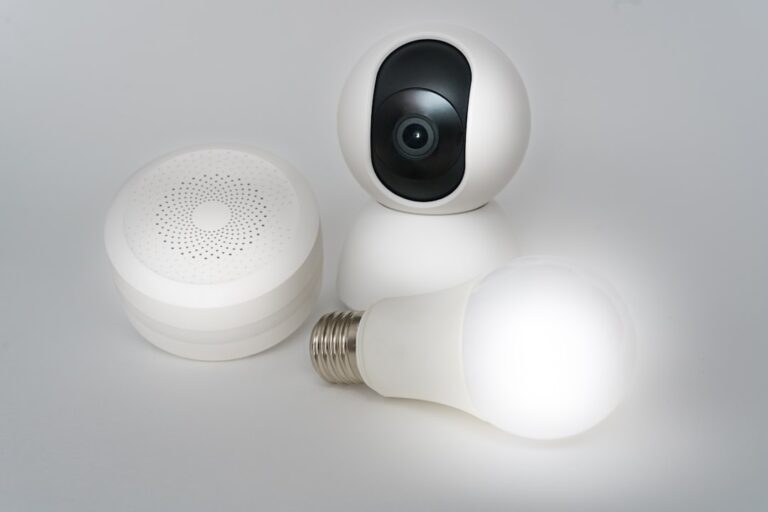
The integration of smart devices into residential environments, commonly referred to as smart home technology, has become a significant trend in modern living. This evolution has shifted the domestic sphere from an assortment of disparate appliances to a more cohesive, interconnected ecosystem. The primary drivers for this revolution are the advancements in connectivity, particularly Wi-Fi and Bluetooth, the proliferation of affordable sensors and microprocessors, and the increasing consumer awareness and demand for convenience, security, and energy efficiency. The impact of these devices extends beyond mere novelty; they are fundamentally altering how individuals interact with their living spaces, manage household tasks, and perceive personal security.
At the heart of any smart home lies its connectivity. Without the ability for devices to communicate with each other and with external networks, their “smartness” is severely limited. This interconnectedness forms the nervous system of the smart home, enabling a symphony of automated actions and remote management.
The Role of Wireless Networks
Wi-Fi as the Backbone
Wi-Fi networks serve as the primary communication channel for the majority of smart home devices. Their ubiquity in modern homes, coupled with increasing bandwidth capabilities, makes them an ideal infrastructure. Devices ranging from smart thermostats and lighting systems to security cameras and smart speakers rely on stable Wi-Fi signals to transmit data and receive commands. The reliability and speed of the Wi-Fi network directly impact the responsiveness and functionality of the entire smart home ecosystem. Interference, signal strength, and network security are therefore critical considerations for effective implementation.
Bluetooth and Zigbee: Complementary Protocols
While Wi-Fi dominates, other wireless protocols play crucial supporting roles. Bluetooth, known for its low power consumption and direct device-to-device communication, is often employed for smaller, localized devices like smart locks, personal health trackers, and certain smart lighting accessories. Zigbee and Z-Wave are mesh networking protocols designed specifically for low-power, low-data-rate communication, making them suitable for networks of sensors, actuators, and smart home hubs. Their mesh capabilities allow devices to relay signals, extending the network’s range and improving its robustness, ensuring that commands can reach even distant devices within the home.
The Central Hub: Orchestrating the Ecosystem
Smart Home Hubs: The Conductor’s Baton
A smart home hub acts as the central command center, an intermediary that translates commands and data between different devices and communication protocols. Without a hub, managing numerous individual apps for each smart device can become cumbersome. Hubs consolidate control, allowing users to manage multiple devices through a single interface, whether it be a dedicated physical device or a software platform. They are instrumental in creating complex automation routines and ensuring compatibility between devices from different manufacturers.
Voice Assistants: The Intuitive Interface
Voice assistants, such as Amazon’s Alexa, Google Assistant, and Apple’s Siri, have become transformative in how users interact with smart homes. They provide a natural language interface, enabling hands-free control of devices. By simply speaking a command, users can adjust the thermostat, turn on lights, play music, or inquire about their home’s status. This intuitive interaction lowers the barrier to entry for smart home technology, making it accessible and convenient for a wider audience. The processing of these voice commands typically occurs in the cloud, requiring a stable internet connection.
As smart home devices continue to revolutionize the way we interact with our living spaces, they can also play a significant role in creating a serene environment. For instance, integrating smart lighting and temperature control can enhance the ambiance of your bathroom, making it a perfect retreat for relaxation. To explore how to design a calming bathroom oasis, you can read more in this article about creating a zen-inspired bathroom for ultimate relaxation: Creating a Zen-Inspired Bathroom for Ultimate Relaxation.
Enhancing Residential Security with Smart Technologies
The integration of smart devices has significantly augmented the capabilities of home security systems, moving beyond traditional alarm bells to offer proactive surveillance, remote monitoring, and immediate response.
Smart Security Cameras: The Vigilant Eyes
Indoor and Outdoor Surveillance
Smart security cameras provide a digital sentinel for residences, offering live video feeds accessible remotely via smartphone applications. These devices often feature motion detection, night vision, and two-way audio capabilities, allowing homeowners to see, hear, and speak to individuals detected on their property. Indoor cameras can monitor activity within the home, while outdoor cameras act as a deterrent and provide evidence in case of intrusion. Cloud storage or local storage options are typically available to record footage for later review.
Smart Doorbell Cameras: The First Line of Defense
Smart doorbell cameras serve as an intelligent entryway, allowing homeowners to see and communicate with visitors before opening the door. These devices combine a doorbell with a camera, motion sensor, and often two-way audio. They can send alerts to a smartphone when someone approaches or rings the bell, enabling remote interaction. This feature enhances security by allowing verification of delivery personnel or unknown visitors, and also provides a convenient way to manage package deliveries when not at home.
Smart Locks and Access Control
Keyless Entry and Remote Access
Smart locks replace traditional deadbolts with electronic mechanisms that can be operated via smartphone apps, keypads, or even voice commands. They offer the convenience of keyless entry and the ability to grant temporary or permanent access to guests, family members, or service providers remotely. This eliminates the need for physical keys and provides a record of who entered and when. Geofencing capabilities can even automatically unlock doors as authorized individuals approach the home.
Smart Sensors: Detecting Anomalies
Smoke Detectors and Carbon Monoxide Sensors
Beyond intrusion detection, smart sensors extend to life safety. Smart smoke and carbon monoxide detectors are networked devices that can send real-time alerts to smartphones in the event of a fire or gas leak. This immediate notification, regardless of the homeowner’s location, can be critical in preventing injury or property damage. These devices often integrate with other smart home systems, potentially triggering actions like turning on lights or unlocking doors in an emergency.
Water Leak and Flood Sensors
Smart water leak and flood sensors are designed to detect the presence of water in sensitive areas, such as under sinks, near water heaters, or in basements. When a leak is detected, these sensors can send immediate alerts to the homeowner’s device, enabling prompt action to mitigate potential water damage. This proactive approach can save significant costs associated with repairs and remediation.
Optimizing Energy Consumption and Environmental Impact
Smart home technology offers a powerful toolkit for managing energy usage, leading to reduced utility bills and a more sustainable lifestyle. By providing granular control and data-driven insights, these devices empower homeowners to make informed decisions about their energy consumption.
Smart Thermostats: Intelligent Climate Control
Learning and Adapting to Habits
Smart thermostats, such as those from Nest or Ecobee, are designed to learn a household’s occupancy patterns and temperature preferences. Over time, they can automatically adjust heating and cooling schedules to optimize energy savings without sacrificing comfort. For instance, they can lower the temperature when the house is empty and resume programmed settings before occupants return.
Remote Management and Geofencing
The ability to control a thermostat remotely via a smartphone application is a core feature. This allows homeowners to adjust the temperature before arriving home or to turn off heating or cooling systems if they forget before leaving. Geofencing capabilities further enhance this by automatically detecting when the last person leaves the house and adjusting the thermostat to an energy-saving mode, and conversely, preparing the dwelling for arrival.
Smart Lighting Systems: Efficiency and Ambiance
LED Technology and Dimming Capabilities
The widespread adoption of LED bulbs, inherently more energy-efficient than incandescent or halogen alternatives, forms a foundational element of smart lighting. Smart lighting systems build upon this by offering advanced control features. Dimmable LEDs allow for precise adjustment of light intensity, reducing energy consumption when full brightness is not required.
Scheduled Operation and Motion Sensing
Smart bulbs and switches enable scheduling of lighting to turn on and off at specific times, mimicking occupancy to deter potential intruders or simply automating daily routines. Motion sensors can be integrated to ensure lights are only active when a room is occupied, further reducing wasted energy. This can be particularly effective in areas with infrequent use, such as hallways or guest rooms.
Energy Monitoring Devices: Insights into Usage
Understanding Consumption Patterns
Smart plugs and whole-home energy monitoring systems provide granular data on device-specific or total household energy consumption. This information, often presented through intuitive dashboards on smartphone apps, allows users to identify energy-hungry appliances and understand their usage patterns. This awareness is the first step towards making informed adjustments to reduce overall consumption.
Identifying “Vampire” Loads
These monitoring devices are effective in identifying “vampire loads,” also known as standby power, where electronics continue to draw power even when turned off. By pinpointing these devices, homeowners can take steps to unplug them or use smart power strips that automatically cut power to idle devices, leading to incremental yet significant energy savings over time.
Automating Household Chores and Enhancing Convenience
| Device Type | Average Price | Power Consumption (W) | Connectivity | Market Share (%) | Average Lifespan (Years) |
|---|---|---|---|---|---|
| Smart Thermostat | 120 | 3 | Wi-Fi, Zigbee | 25 | 10 |
| Smart Speaker | 80 | 5 | Wi-Fi, Bluetooth | 30 | 5 |
| Smart Light Bulb | 15 | 9 | Wi-Fi, Zigbee, Bluetooth | 20 | 3 |
| Smart Security Camera | 100 | 7 | Wi-Fi | 15 | 6 |
| Smart Door Lock | 150 | 2 | Bluetooth, Wi-Fi | 10 | 8 |
Smart devices are increasingly taking on mundane and time-consuming household tasks, freeing up valuable time for individuals and family members to engage in more fulfilling activities. This automation transforms the home into a more responsive and less labor-intensive environment.
Smart Appliances: The Next Generation of Functionality
Refrigerators with Inventory Management
Certain smart refrigerators now feature internal cameras that allow users to view the contents of their refrigerator remotely via a smartphone. Some advanced models can even track inventory, suggest recipes based on available ingredients, and automatically add items to a digital grocery list when they are running low. This reduces food waste by making meal planning more efficient.
Ovens with Remote Preheat and Cooking Control
Smart ovens offer the convenience of preheating the oven remotely, ensuring it is ready at the optimal temperature by the time dinner preparations are complete. Some models allow for complete cooking control, including setting temperatures, cooking times, and even selecting specific cooking modes, all from a smartphone. This is particularly useful for busy individuals or those who prefer to oversee cooking from another room.
Smart Washing Machines and Dryers
Smart washing machines and dryers can notify users when a cycle is complete, allowing them to remove laundry promptly. Some can also be remotely started or paused, providing flexibility in managing household chores. Advanced features may include self-diagnostics, remote troubleshooting, and personalized wash cycle recommendations based on fabric types.
Robotic Vacuums and Mops: Autonomous Cleaning
Navigating and Cleaning Spaces
Robotic vacuum cleaners, such as those from Roomba or Shark, have become increasingly sophisticated. Equipped with sensors and intelligent mapping algorithms, they can autonomously navigate and clean floor surfaces, avoiding obstacles and returning to their charging docks when their battery is low. Some models offer app-based scheduling, zone cleaning, and even mopping capabilities.
Targeted Cleaning and Scheduling
The ability to schedule cleaning sessions at specific times or to define specific zones within the home for cleaning provides a high level of convenience. This allows for regular maintenance cleaning without manual intervention, ensuring a consistently cleaner living environment.
Smart Blinds and Curtains: Automated Light Control
Light Filtering and Privacy Management
Smart blinds and curtains offer automated control over natural light entering a home. They can be scheduled to open and close at specific times of day, helping to regulate indoor temperature by allowing sunlight to warm the home in colder months and blocking direct sun during hotter periods. They also provide an added layer of privacy by automatically closing at dusk.
Integration with Other Smart Home Systems
These automated window coverings can be integrated with other smart home systems, such as smart thermostats or lighting. For example, they can close automatically when the smart thermostat detects rising indoor temperatures due to direct sunlight, or they can coordinate with smart lights to create specific ambiance settings.
As smart home devices continue to revolutionize the way we interact with our living spaces, many homeowners are exploring innovative ways to enhance their daily routines. One fascinating aspect of this technology is its application in outdoor activities, such as ice fishing. For those interested in optimizing their fishing experience, a related article discusses the best times of day for ice fishing success, providing valuable insights that can be applied alongside smart home solutions. You can read more about it here.
The Future of Living: A Connected and Responsive Home
The trajectory of smart home technology suggests a future where residences are not just passive structures but active, intuitive participants in the lives of their occupants. The continued innovation in artificial intelligence, sensor technology, and inter-device communication promises even more integrated and personalized living experiences.
Artificial Intelligence and Predictive Capabilities
Proactive Task Management
The integration of artificial intelligence will likely lead to smart homes that can anticipate needs rather than simply responding to commands. AI algorithms could learn user preferences and daily routines to proactively adjust lighting, temperature, and even suggest meal options based on known dietary restrictions and available ingredients.
Predictive Maintenance and Anomaly Detection
Smart devices, particularly those connected to utilities or complex machinery, may evolve to perform predictive maintenance. By analyzing operational data, they could identify potential issues before they lead to failure, notifying homeowners and scheduling service appointments automatically, thus preventing costly breakdowns.
The Internet of Things (IoT) and Seamless Integration
Expanding the Network of Connected Devices
The “Internet of Things” (IoT) refers to the ever-expanding network of physical objects embedded with sensors, software, and other technologies that enable them to collect and exchange data. In the context of the smart home, this means a continuous influx of new devices and functionalities that will seamlessly integrate into the existing ecosystem, further blurring the lines between the physical and digital worlds.
Interoperability Standards and the Unified Ecosystem
A critical aspect for the future is the development and widespread adoption of interoperability standards. This will ensure that devices from different manufacturers can communicate and work together harmoniously, creating a truly unified smart home experience rather than a collection of disparate, often incompatible, technologies. This move towards standardization will be akin to developing a universal language for all home devices.
Enhanced Personalization and Accessibility
Tailoring the Home Environment
Future smart homes will likely offer unprecedented levels of personalization, adapting to the unique needs and preferences of each individual occupant. This could range from customized lighting and soundscapes to personalized health and wellness monitoring integrated into the living space itself.
Empowering Individuals with Disabilities
The advancements in smart home technology hold significant promise for improving the quality of life for individuals with disabilities. Voice control, automated task management, and remote monitoring can provide greater independence and accessibility within the home environment, transforming how these individuals interact with their surroundings. The smart home is evolving from a luxury to an essential component of modern, inclusive living.
FAQs
What are smart home devices?
Smart home devices are electronic gadgets connected to the internet that allow users to control and automate various household functions such as lighting, heating, security, and entertainment systems remotely via smartphones or voice commands.
How do smart home devices communicate with each other?
Smart home devices typically communicate using wireless protocols such as Wi-Fi, Bluetooth, Zigbee, or Z-Wave. These protocols enable devices to connect to a central hub or directly to a smartphone app for coordinated control.
Are smart home devices secure?
Security varies by device and manufacturer. Many smart home devices use encryption and require secure passwords to protect user data. However, users should keep firmware updated and follow best practices to minimize risks of hacking or unauthorized access.
Can smart home devices save energy?
Yes, many smart home devices help save energy by optimizing usage. For example, smart thermostats adjust heating and cooling based on occupancy, and smart lighting systems turn off lights automatically when rooms are unoccupied.
Do smart home devices require professional installation?
Most smart home devices are designed for easy DIY installation and setup through mobile apps. However, some complex systems, such as integrated security or home automation hubs, may benefit from professional installation for optimal performance.