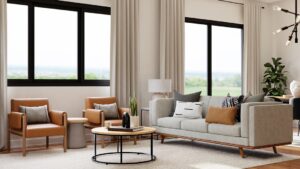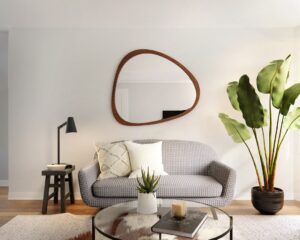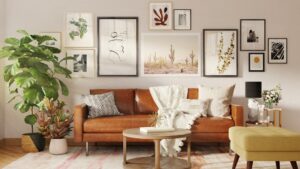
Minimalism in home decor represents a design philosophy centered on simplicity, functionality, and purposeful selection of elements. The approach involves reducing excess items and emphasizing essential pieces that serve specific functions or hold particular significance. Practitioners of minimalist design typically prioritize high-quality items over numerous possessions, creating spaces with clean lines, neutral color palettes, and uncluttered surfaces.
The minimalist design philosophy extends beyond visual aesthetics to encompass lifestyle principles that emphasize experiences and functionality over material accumulation. This approach often involves systematic evaluation of possessions to determine their necessity and contribution to daily life. Research indicates that organized, simplified living spaces can reduce stress levels and improve focus by eliminating visual distractions and decision fatigue associated with excess belongings.
Key characteristics of minimalist home decor include strategic use of negative space, limited color schemes typically featuring whites, grays, and earth tones, and furniture pieces that serve multiple functions. The design methodology focuses on creating environments that support specific activities and personal well-being through deliberate curation of objects and spatial arrangements.
Key Takeaways
- Minimalism in home decor focuses on simplicity, functionality, and intentional design.
- Embracing minimalism involves decluttering, choosing essential furniture, and using a cohesive color palette.
- Natural elements and proper lighting enhance the calm and serene atmosphere of minimalist spaces.
- Thoughtful incorporation of art and decorative accents adds personality without overwhelming the space.
- Maintaining a minimalist home requires consistent organization and mindful everyday living habits.
How to Embrace Minimalism in Your Home
Embracing minimalism in the home begins with a conscious decision to simplify one’s surroundings. The first step is to assess the current state of the home and identify areas that feel cluttered or overwhelming. This process often involves evaluating each item’s significance and utility.
By asking questions such as “Does this bring me joy?” or “Do I use this regularly?” individuals can begin to discern what truly belongs in their space. This thoughtful curation is essential in establishing a minimalist aesthetic that feels both intentional and personal. Once the evaluation is complete, the next phase involves decluttering and organizing.
This can be achieved through various methods, such as the popular KonMari method, which encourages individuals to keep only those items that spark joy. Alternatively, one might opt for a more systematic approach, tackling one room at a time or focusing on specific categories of items. The goal is to create an environment that feels open and inviting, where each piece has its place and purpose.
By implementing storage solutions that are both functional and aesthetically pleasing, individuals can maintain a minimalist home that reflects their values and lifestyle.
The Benefits of Minimalist Home Decor
The benefits of minimalist home decor extend far beyond visual appeal; they encompass emotional and psychological advantages as well. One of the most significant benefits is the reduction of stress and anxiety that often accompanies cluttered spaces. A minimalist environment fosters tranquility, allowing individuals to focus on what truly matters without the distractions of excess belongings.
This sense of calm can lead to improved mental clarity and enhanced productivity, making it easier to navigate daily tasks and responsibilities. Moreover, minimalism promotes sustainability by encouraging individuals to make mindful purchasing decisions. By prioritizing quality over quantity, homeowners are more likely to invest in durable, timeless pieces that stand the test of time.
This shift not only reduces waste but also fosters a deeper appreciation for the items one chooses to bring into their home. Additionally, minimalism often leads to financial savings, as individuals become more discerning consumers, avoiding impulsive purchases and focusing on what they genuinely need.
Choosing the Right Color Palette for a Minimalist Home
Selecting the right color palette is crucial in achieving a minimalist aesthetic that feels cohesive and serene. Neutral tones such as whites, grays, and beiges are often favored in minimalist design due to their ability to create a calm backdrop that allows other elements to shine. These colors evoke a sense of spaciousness and lightness, making rooms feel larger and more open.
By incorporating varying shades within this palette, individuals can add depth and interest without overwhelming the senses. In addition to neutrals, subtle pops of color can be introduced through accent pieces or artwork. Soft pastels or muted tones can provide warmth and personality while still adhering to minimalist principles.
The key is to maintain balance; too many contrasting colors can disrupt the harmony of the space. By thoughtfully selecting a color palette that aligns with minimalist ideals, homeowners can create an environment that feels both inviting and tranquil.
Essential Furniture Pieces for a Minimalist Home
| Metric | Value | Notes |
|---|---|---|
| Average Number of Items per Room | 15-20 | Focus on essential and functional pieces |
| Common Color Palette | White, Beige, Gray, Black | Neutral and muted tones dominate |
| Popular Materials | Wood, Metal, Glass, Linen | Natural and simple textures preferred |
| Average Room Size | 150-250 sq ft | Open and uncluttered spaces |
| Lighting Type | Natural Light + Soft Ambient | Emphasis on bright and airy feel |
| Storage Solutions | Built-in, Hidden, Multi-functional | Reduce visible clutter |
| Furniture Style | Simple, Clean Lines, Functional | Minimal ornamentation |
| Decorative Elements | 1-3 per room | Focus on quality over quantity |
When it comes to furnishing a minimalist home, less is often more. Essential furniture pieces should be functional, versatile, and aesthetically pleasing without being overly ornate. A well-designed sofa that offers comfort while maintaining clean lines is a staple in any minimalist living room.
Similarly, a simple coffee table made from natural materials can serve as both a practical surface and a focal point without overwhelming the space. In addition to larger furniture items, storage solutions play a vital role in maintaining a minimalist aesthetic. Multi-functional pieces such as ottomans with hidden storage or sleek shelving units can help keep clutter at bay while providing necessary functionality.
The emphasis should be on quality craftsmanship and timeless design, ensuring that each piece contributes positively to the overall ambiance of the home. By carefully selecting essential furniture items, individuals can create a cohesive and harmonious living space that embodies minimalist principles.
Incorporating Natural Elements into Minimalist Home Decor
Integrating natural elements into minimalist home decor enhances the overall aesthetic while promoting a sense of connection to nature. Materials such as wood, stone, and plants can add warmth and texture to an otherwise stark environment. For instance, wooden furniture pieces or accents can introduce organic shapes and grains that soften the clean lines typical of minimalist design.
Similarly, stone elements like marble or granite can provide an elegant touch while maintaining simplicity. Plants are another essential component of natural decor in minimalist homes. They not only purify the air but also bring life and vibrancy into spaces that may otherwise feel sterile.
Choosing low-maintenance plants such as succulents or snake plants allows homeowners to enjoy the benefits of greenery without adding complexity to their routines. By thoughtfully incorporating natural elements into their decor, individuals can create an inviting atmosphere that feels both serene and grounded.
Decluttering and Organizing Tips for a Minimalist Home
Decluttering is an ongoing process that requires commitment and mindfulness. To maintain a minimalist home, individuals should establish regular routines for assessing their belongings. One effective strategy is to implement the “one in, one out” rule: for every new item brought into the home, an old item must be removed.
This practice encourages conscious consumption and helps prevent clutter from accumulating over time. Organizing spaces efficiently is equally important in achieving a minimalist aesthetic. Utilizing clear storage bins or labeled boxes can help keep items organized while remaining visually appealing.
Additionally, creating designated spaces for frequently used items ensures that everything has its place, making it easier to maintain order. By adopting these decluttering and organizing tips, individuals can cultivate an environment that reflects their minimalist values while promoting ease of living.
The Role of Lighting in Minimalist Home Decor
Lighting plays a pivotal role in enhancing the ambiance of a minimalist home. Natural light is particularly valued in minimalist design; large windows or open spaces allow sunlight to flood in, creating an airy atmosphere that complements simplicity. To maximize natural light, homeowners should consider using sheer curtains or blinds that can be easily adjusted to let in as much light as possible.
In addition to natural light, artificial lighting should be carefully selected to align with minimalist principles. Simple fixtures with clean lines—such as pendant lights or recessed lighting—can provide functional illumination without detracting from the overall aesthetic. Dimmable options allow for versatility in creating different moods throughout the day or evening.
By thoughtfully considering lighting choices, individuals can enhance their minimalist decor while fostering an inviting atmosphere.
Incorporating Art and Decorative Accents in a Minimalist Home
While minimalism emphasizes simplicity, it does not preclude the inclusion of art and decorative accents; rather, it encourages thoughtful selection. Art pieces should resonate with the homeowner’s personal taste while contributing positively to the overall aesthetic of the space. Large-scale artwork with bold colors or striking imagery can serve as focal points in otherwise understated rooms, drawing attention without overwhelming the senses.
Decorative accents should also be chosen with care; items such as vases or sculptures should complement the minimalist ethos rather than cluttering surfaces. A few well-placed pieces can add character and depth while maintaining an uncluttered appearance. By curating art and decorative accents mindfully, individuals can infuse their homes with personality while adhering to minimalist principles.
Creating a Relaxing and Serene Atmosphere with Minimalist Decor
A key goal of minimalist decor is to create spaces that promote relaxation and serenity. This can be achieved through careful consideration of layout, color schemes, and furnishings. Open floor plans allow for easy movement and flow between spaces, reducing feelings of confinement or chaos.
Additionally, incorporating soft textures through textiles such as throws or cushions can add warmth without compromising simplicity. Sound also plays an important role in establishing a calming atmosphere; minimizing noise pollution through soundproofing or strategic placement of furniture can enhance tranquility within the home. Creating designated quiet areas—such as reading nooks or meditation corners—can further encourage relaxation amidst busy lifestyles.
By focusing on these elements, individuals can cultivate an environment that nurtures peace and well-being.
Maintaining a Minimalist Home: Tips for Everyday Living
Maintaining a minimalist home requires ongoing effort and mindfulness in daily living. One effective strategy is to establish routines for tidying up; setting aside just ten minutes each day for quick decluttering can prevent mess from accumulating over time. Additionally, adopting habits such as keeping surfaces clear of unnecessary items helps maintain an organized appearance.
Mindful consumption is another crucial aspect of sustaining minimalism; individuals should regularly evaluate their belongings and consider whether new purchases align with their values and needs before acquiring them. By fostering awareness around consumption habits and prioritizing simplicity in everyday life, individuals can successfully maintain their minimalist homes while enjoying all the benefits this lifestyle has to offer. In conclusion, minimalism in home decor represents more than just an aesthetic choice; it embodies a philosophy centered around intentionality and simplicity.
By embracing this approach through thoughtful curation of space, color palettes, furniture selection, natural elements integration, decluttering practices, lighting considerations, art incorporation strategies—and ultimately creating serene atmospheres—individuals can cultivate homes that reflect their values while promoting peace of mind amidst today’s fast-paced world.
FAQs
What is minimalist home decor?
Minimalist home decor is a design style that emphasizes simplicity, clean lines, and a clutter-free environment. It focuses on using a limited color palette, functional furniture, and minimal decorative elements to create a calm and organized living space.
What are the key features of minimalist home decor?
Key features include neutral colors, open spaces, simple and functional furniture, minimal accessories, and an emphasis on natural light. The style avoids excessive ornamentation and prioritizes quality over quantity.
How can I start decorating my home in a minimalist style?
Begin by decluttering your space and removing unnecessary items. Choose furniture with clean lines and neutral colors, use simple decor pieces, and maintain open, airy spaces. Focus on functionality and keep surfaces clear.
Is minimalist home decor suitable for small spaces?
Yes, minimalist decor is ideal for small spaces because it maximizes open areas and reduces visual clutter, making rooms feel larger and more organized.
What colors are commonly used in minimalist home decor?
Neutral colors such as white, beige, gray, and black are commonly used. These colors create a calm and cohesive look, often accented with natural materials like wood or stone.
Can minimalist home decor be combined with other styles?
Yes, minimalist decor can be blended with other styles such as Scandinavian, industrial, or modern to create a personalized look while maintaining simplicity and functionality.
What materials are preferred in minimalist home decor?
Natural materials like wood, metal, glass, and stone are preferred for their simplicity and durability. These materials contribute to the clean and uncluttered aesthetic of minimalist design.
How does minimalist home decor impact mental well-being?
Minimalist decor can promote a sense of calm and reduce stress by creating an organized and clutter-free environment, which can improve focus and overall mental well-being.
Are there any common mistakes to avoid in minimalist home decor?
Common mistakes include over-decluttering to the point of making a space feel cold or empty, neglecting functionality, and using too many decorative items that create clutter.
Where can I find minimalist home decor inspiration?
Inspiration can be found in design magazines, websites, social media platforms like Pinterest and Instagram, and by visiting minimalist-designed homes or showrooms.