How to bring spa-style wellness home with a home spa or cold plunge pool, including design tips, DIY treatments and the claimed health benefits.

November 20, 2026


 Mai
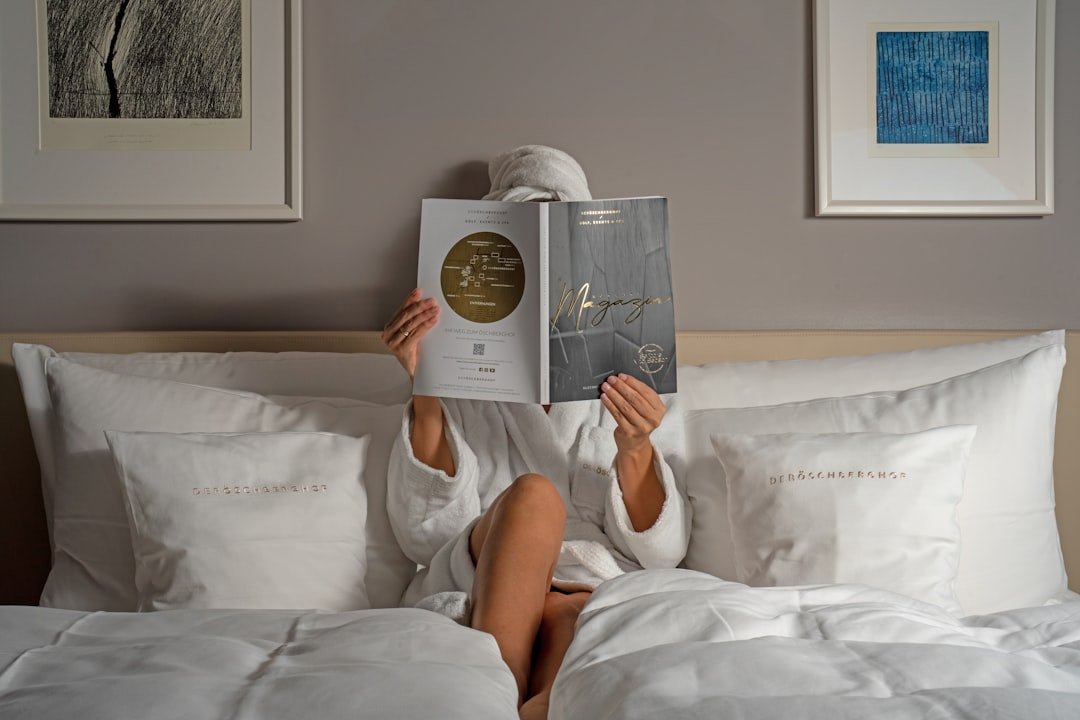
In recent years, the concept of home spas has gained significant traction, transforming ordinary living spaces into personal sanctuaries dedicated to relaxation and wellness. As the pace of modern life accelerates, individuals increasingly seek refuge from daily stressors, prompting a surge in the popularity of home spa installations. This trend reflects a broader cultural shift towards prioritizing mental and physical well-being, as people recognize the importance of self-care in maintaining a balanced lifestyle.
The allure of having a wellness oasis just steps away from one’s living room is undeniable, offering a convenient escape from the hustle and bustle of everyday life.
Homeowners are investing in various features, from saunas and steam rooms to hot tubs and cold plunge pools, all designed to enhance relaxation and recovery.
The rise of technology has also played a pivotal role in this trend, with smart home devices allowing for personalized experiences that cater to individual preferences. As more people embrace the idea of self-care, the home spa has evolved into a vital component of modern living, providing a space where one can unwind, recharge, and reconnect with oneself.
Cold plunge pools have emerged as a popular feature in many home spas, celebrated for their myriad health benefits. These invigorating pools offer a refreshing contrast to traditional hot tubs, providing a unique experience that can enhance physical recovery and mental well-being. Athletes and fitness enthusiasts often turn to cold plunge pools as a means of alleviating muscle soreness and reducing inflammation after intense workouts.
The cold water immersion stimulates blood circulation, helping to flush out toxins and promote faster recovery, making it an essential tool for those committed to maintaining peak physical performance. Beyond physical recovery, cold plunge pools also serve as a powerful tool for stress relief. The shock of cold water can trigger the release of endorphins, the body’s natural mood elevators, leading to an immediate sense of euphoria and relaxation.
This physiological response can help combat anxiety and improve overall mental health. Additionally, the practice of alternating between hot and cold water—known as contrast therapy—can further enhance relaxation and rejuvenation. By incorporating cold plunge pools into their home spa routines, individuals can experience a holistic approach to wellness that addresses both body and mind.

Designing a home spa requires careful consideration of both aesthetics and functionality to create an inviting atmosphere that promotes relaxation. One of the first steps in this process is selecting a suitable location within the home. Whether it’s a dedicated room or an outdoor space, the chosen area should evoke a sense of calm and tranquility.
Natural light plays a crucial role in this ambiance; large windows or skylights can help bring the outdoors in, creating a serene environment that enhances the overall spa experience. In addition to lighting, the choice of materials and colors can significantly impact the mood of the space. Soft, neutral tones combined with natural materials such as wood and stone can create a soothing atmosphere that encourages relaxation.
Incorporating elements like plants or water features can further enhance the sensory experience, promoting a connection with nature. Thoughtful design choices, such as comfortable seating areas, soothing sound systems, and aromatherapy diffusers, can transform an ordinary space into a true wellness retreat that invites individuals to unwind and rejuvenate.
Creating a home spa experience doesn’t have to be limited to expensive installations or professional treatments; many effective DIY options can be easily incorporated into one’s routine. Aromatherapy is one such treatment that harnesses the power of essential oils to promote relaxation and well-being. By using diffusers or adding oils to bathwater, individuals can create an aromatic environment that calms the mind and soothes the senses.
Popular essential oils like lavender, eucalyptus, and chamomile are known for their calming properties and can be tailored to suit personal preferences. Hydrotherapy is another accessible DIY treatment that can be easily integrated into home spa routines. Simple practices such as soaking in warm baths or using showerheads with varying pressure can provide therapeutic benefits.
Adding Epsom salts or herbal infusions to baths can enhance relaxation and relieve muscle tension. For those with access to cold plunge pools, alternating between hot baths and cold plunges can create invigorating experiences that stimulate circulation and promote overall wellness. By embracing these DIY treatments, individuals can cultivate their own personalized spa experiences without breaking the bank.
The health benefits associated with cold plunge pools are supported by scientific research that highlights their positive effects on both physical and mental health. Cold exposure has been shown to activate the body’s sympathetic nervous system, leading to increased adrenaline production and improved circulation. This physiological response not only aids in muscle recovery but also enhances overall cardiovascular health.
Studies have indicated that regular cold exposure can lead to improved immune function, reduced inflammation, and even increased metabolism. Moreover, the mental health benefits of cold plunge pools are equally compelling. Research suggests that cold exposure can help alleviate symptoms of anxiety and depression by promoting the release of neurotransmitters such as norepinephrine and serotonin.
These chemicals play crucial roles in regulating mood and emotional well-being. Additionally, the practice of cold immersion encourages mindfulness and presence, as individuals focus on their breath and bodily sensations during the experience. By understanding the science behind cold plunge pools, individuals can make informed decisions about incorporating this powerful wellness tool into their home spa routines.

Integrating wellness practices into daily life is essential for maintaining overall health and well-being, and home spas provide an ideal setting for doing so. Establishing a routine that includes regular visits to one’s home spa can foster mindfulness and self-care habits that contribute to long-term wellness.
Moreover, home spas offer opportunities for social connection and bonding with family or friends. Sharing spa experiences with loved ones can enhance relationships while promoting collective well-being. Group activities such as yoga sessions or guided meditation in a tranquil environment can deepen connections while fostering a sense of community.
By incorporating wellness practices into daily routines through home spas, individuals can cultivate healthier lifestyles that prioritize self-care and emotional balance.
Selecting the right home spa features requires careful consideration of various factors, including available space, budget, and personal preferences. When choosing a hot tub or sauna, individuals should assess their specific needs—whether they seek relaxation after workouts or social spaces for entertaining guests. Size is also an important consideration; larger units may accommodate more people but require more space and maintenance.
Cold plunge pools come in various designs and sizes as well, allowing homeowners to find options that fit seamlessly into their existing spaces. Portable models are available for those with limited room or budget constraints, while built-in options offer more permanence and aesthetic appeal. It is essential for individuals to research different brands and models thoroughly before making a purchase decision, ensuring they select products that align with their wellness goals while fitting within their lifestyle.
Maintaining home spas and cold plunge pools is crucial for ensuring they remain inviting spaces for relaxation and rejuvenation. Regular cleaning is essential to prevent buildup of bacteria or algae; this includes routine checks on water chemistry levels such as pH balance and chlorine content. Homeowners should familiarize themselves with proper maintenance schedules based on their specific equipment to ensure optimal performance.
In addition to water maintenance, physical upkeep is necessary for preserving the aesthetic appeal of these wellness features. Regular inspections for wear-and-tear on surfaces or equipment will help identify potential issues before they escalate into costly repairs. Investing time in maintenance not only prolongs the lifespan of home spa features but also enhances the overall experience for users.
By prioritizing care for their wellness oasis, individuals can enjoy the full benefits of their home spas for years to come. In conclusion, the rise of home spas reflects a growing recognition of the importance of self-care in today’s fast-paced world. With features like cold plunge pools offering numerous health benefits—from muscle recovery to stress relief—individuals are empowered to create personalized wellness retreats within their own homes.
By thoughtfully designing these spaces, incorporating DIY treatments, understanding the science behind their benefits, and committing to regular maintenance, homeowners can cultivate environments that promote holistic well-being while enhancing their quality of life.
A home spa is a private space within a residence that is equipped with amenities and facilities for relaxation, rejuvenation, and wellness. It typically includes features such as a hot tub, sauna, steam room, and massage area.
A cold plunge pool is a small pool or tub filled with cold water, typically around 50 degrees Fahrenheit or lower. It is used for cold water therapy, which can help reduce inflammation, improve circulation, and promote muscle recovery.
Having a home spa can provide numerous benefits, including stress relief, improved sleep, muscle relaxation, and overall well-being. It also offers the convenience of accessing spa treatments and therapies without leaving the comfort of home.
Using a cold plunge pool can help reduce muscle soreness, speed up recovery after exercise, boost the immune system, and increase alertness. The cold water can also stimulate the release of endorphins, leading to a feeling of euphoria and improved mood.
Popular features of home spas include hydrotherapy jets, aromatherapy options, mood lighting, built-in sound systems, and ergonomic seating. Some home spas also offer customizable settings for temperature, pressure, and massage techniques.
While home spas and cold plunge pools offer numerous benefits, they may not be suitable for everyone. It is important to consult with a healthcare professional, especially for individuals with certain medical conditions or health concerns, before using these amenities.