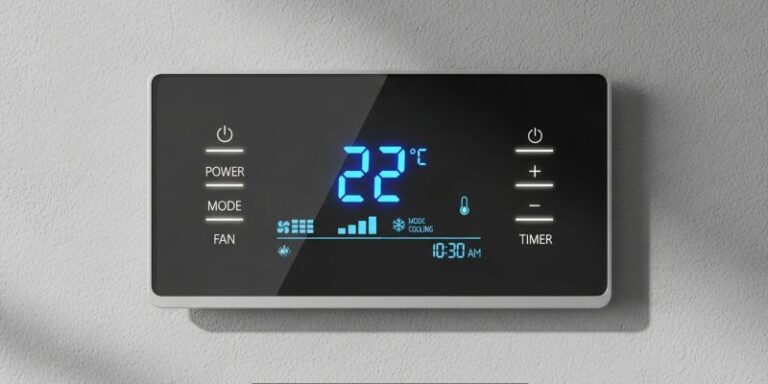
Smart thermostats represent a significant advancement in home heating and cooling technology. Unlike traditional thermostats, which require manual adjustments to maintain a comfortable temperature, smart thermostats utilize Wi-Fi connectivity and advanced algorithms to learn the homeowner’s preferences and adjust settings automatically. This capability not only enhances comfort but also promotes energy efficiency, as these devices can optimize heating and cooling schedules based on occupancy patterns and external weather conditions.
By integrating with smartphones and other smart home systems, smart thermostats provide users with unprecedented control over their home environment. Moreover, smart thermostats often come equipped with features such as remote access, energy usage reports, and compatibility with voice-activated assistants. This means that homeowners can monitor and adjust their heating and cooling systems from virtually anywhere, whether they are at work or on vacation.
The ability to receive alerts about unusual temperature fluctuations or maintenance reminders further enhances the appeal of these devices. As energy costs continue to rise, understanding the basics of smart thermostats becomes increasingly important for homeowners looking to improve their energy efficiency and overall comfort.
Key Takeaways
- Smart thermostats enhance home comfort and energy efficiency through advanced features and connectivity.
- Proper preparation and tool gathering are essential for a smooth installation process.
- Selecting the right model depends on your home’s HVAC system and desired smart features.
- Connecting to Wi-Fi and configuring settings enable remote control and integration with other smart devices.
- Testing and troubleshooting ensure optimal performance and maximize energy savings.
Preparing Your Home for Smart Thermostat Installation
Before embarking on the installation of a smart thermostat, it is essential to prepare the home adequately. The first step involves assessing the existing heating and cooling system to ensure compatibility with the new device. Homeowners should check whether their current system is compatible with smart technology, as some older systems may require additional adapters or may not support smart thermostat features at all.
Additionally, it is advisable to review the wiring configuration of the existing thermostat to identify any potential issues that may arise during installation. Another critical aspect of preparation is selecting an appropriate location for the new thermostat. Ideally, it should be installed in a central location within the home, away from direct sunlight, drafts, or heat sources that could affect its performance.
Homeowners should also consider the height at which the thermostat will be mounted; it should be positioned at eye level for optimal usability. By taking these preparatory steps, homeowners can ensure a smoother installation process and maximize the effectiveness of their new smart thermostat.
Choosing the Right Smart Thermostat for Your Home
Selecting the right smart thermostat is crucial for achieving optimal performance and energy savings. With a plethora of options available on the market, homeowners must consider several factors before making a decision. One of the primary considerations is compatibility with the existing HVAC system.
Some smart thermostats are designed specifically for certain types of systems, such as heat pumps or multi-stage heating and cooling setups. Homeowners should consult their HVAC technician or refer to the manufacturer’s specifications to ensure compatibility. In addition to compatibility, homeowners should evaluate the features offered by different models.
Some smart thermostats come equipped with advanced features such as geofencing, which adjusts the temperature based on the homeowner’s location, while others may offer integration with various smart home ecosystems. User-friendly interfaces and mobile app functionality are also important factors to consider, as they can significantly enhance the overall user experience. By carefully weighing these considerations, homeowners can select a smart thermostat that best meets their needs and preferences.
Gathering the Necessary Tools and Equipment
Once a suitable smart thermostat has been chosen, it is time to gather the necessary tools and equipment for installation. A basic toolkit typically includes a screwdriver set, wire strippers, a drill (if needed), and a level to ensure proper alignment of the thermostat. Additionally, having a voltage tester on hand is essential for ensuring safety during the installation process by confirming that power is off before working with electrical components.
Homeowners may also want to have a smartphone or tablet ready for downloading any required apps associated with the new thermostat. Many manufacturers provide step-by-step installation guides through their apps, which can be incredibly helpful during the process. By assembling all necessary tools and equipment beforehand, homeowners can streamline the installation process and minimize potential delays.
Turning off Power and Disconnecting the Old Thermostat
| Metric | Value | Unit | Notes |
|---|---|---|---|
| Average Installation Time | 45 | minutes | Time taken by a professional to install a smart thermostat |
| Energy Savings | 15-25 | percent | Estimated reduction in heating/cooling energy usage |
| Installation Cost Range | 100-250 | units | Typical cost range for professional installation |
| Compatibility Rate | 85 | percent | Percentage of HVAC systems compatible with smart thermostats |
| Average Lifespan | 10 | years | Expected operational lifespan of a smart thermostat |
| Customer Satisfaction | 90 | percent | Percentage of users satisfied with installation and performance |
Safety should always be a top priority when working with electrical devices. Before beginning the installation of a new smart thermostat, homeowners must turn off power to their heating and cooling system at the circuit breaker. This precaution helps prevent any electrical shocks or damage during the disconnection of the old thermostat.
It is advisable to use a voltage tester to confirm that power is indeed off before proceeding. Once power has been safely turned off, homeowners can begin disconnecting the old thermostat. This process typically involves removing the faceplate and unscrewing the mounting plate from the wall.
Care should be taken to label each wire connected to the old thermostat using masking tape or wire labels, as this will simplify the connection process for the new device. By following these steps diligently, homeowners can ensure a safe transition from their old thermostat to their new smart model.
Installing the New Smart Thermostat
With the old thermostat removed and wires labeled, homeowners can proceed with installing the new smart thermostat. The first step involves attaching the mounting plate of the new device to the wall using screws provided in the package. It is crucial to ensure that the mounting plate is level; an uneven installation can lead to inaccurate temperature readings and affect overall performance.
Next, homeowners will connect the labeled wires from their HVAC system to the corresponding terminals on the new thermostat. Each wire must be securely fastened to its designated terminal according to the manufacturer’s instructions. Once all connections are made, homeowners can attach the faceplate of the smart thermostat to complete the installation process.
After ensuring everything is securely in place, it is time to restore power at the circuit breaker.
Connecting the Smart Thermostat to Wi-Fi and Configuring Settings
After successfully installing the new smart thermostat, homeowners must connect it to their Wi-Fi network for full functionality. Most modern smart thermostats come equipped with a user-friendly interface that guides users through this process step by step. Homeowners will typically need to access their Wi-Fi settings through the thermostat’s touchscreen display or mobile app and enter their network password.
Once connected to Wi-Fi, homeowners can begin configuring settings according to their preferences. This may include setting up heating and cooling schedules based on daily routines or adjusting temperature preferences for different times of day. Many smart thermostats also offer features such as learning algorithms that adapt over time based on user behavior, allowing for even greater energy efficiency and comfort.
By taking advantage of these settings, homeowners can optimize their smart thermostat’s performance.
Testing the Smart Thermostat and Troubleshooting Any Issues
After completing installation and configuration, it is essential for homeowners to test their new smart thermostat to ensure it operates correctly. This involves adjusting temperature settings and observing whether the HVAC system responds appropriately. Homeowners should monitor how quickly the system reaches set temperatures and whether any unusual noises or issues arise during operation.
If problems occur during testing, troubleshooting may be necessary. Common issues include incorrect wiring connections or Wi-Fi connectivity problems. Homeowners should refer back to their installation guide or consult online resources provided by the manufacturer for troubleshooting tips specific to their model.
By addressing any issues promptly, homeowners can ensure that their smart thermostat functions optimally.
Integrating the Smart Thermostat with Other Smart Home Devices
One of the most appealing aspects of smart thermostats is their ability to integrate seamlessly with other smart home devices. Homeowners can enhance their home automation experience by connecting their thermostat with devices such as smart speakers, security systems, and lighting controls. This integration allows for more comprehensive control over home environments; for example, homeowners can set routines that adjust lighting and temperature simultaneously when they arrive home.
To achieve this integration, homeowners typically need to use a central hub or app that supports multiple devices within their smart home ecosystem. Many popular smart home platforms offer compatibility with various brands of smart thermostats, making it easier for users to create customized automation scenarios tailored to their lifestyles. By leveraging these integrations, homeowners can enjoy enhanced convenience and energy savings throughout their homes.
Maximizing Energy Savings and Comfort with Your Smart Thermostat
To fully realize the benefits of a smart thermostat, homeowners should focus on maximizing energy savings while maintaining comfort levels in their homes. One effective strategy involves utilizing scheduling features that allow users to set specific temperature preferences based on occupancy patterns throughout the day. For instance, lowering temperatures during work hours when no one is home can lead to significant energy savings without sacrificing comfort when residents return.
Additionally, many smart thermostats provide insights into energy usage through detailed reports accessible via mobile apps. Homeowners can analyze this data to identify trends in energy consumption and make informed decisions about adjusting settings for optimal efficiency. By actively engaging with these features and making small adjustments over time, homeowners can enjoy both comfort and cost savings while reducing their environmental impact.
Enjoying the Convenience and Benefits of Effortless Smart Thermostat Installation
The installation of a smart thermostat not only enhances home comfort but also offers numerous conveniences that simplify daily life. With remote access capabilities, homeowners can adjust temperatures from anywhere using their smartphones or tablets—eliminating worries about returning home to an uncomfortable environment after a long day away. Furthermore, many models offer voice control compatibility with popular virtual assistants like Amazon Alexa or Google Assistant, allowing users to make adjustments hands-free.
In conclusion, embracing smart technology through devices like smart thermostats represents an investment in both comfort and efficiency for modern households. By understanding how these devices work, preparing adequately for installation, choosing compatible models, and integrating them into existing systems, homeowners can enjoy a seamless transition into a more automated lifestyle that prioritizes convenience while promoting energy savings.
FAQs
What is a smart thermostat?
A smart thermostat is an advanced heating and cooling control device that connects to your home’s Wi-Fi network, allowing you to remotely monitor and adjust your HVAC system via a smartphone, tablet, or computer.
Why should I install a smart thermostat?
Installing a smart thermostat can help you save energy and reduce utility bills by optimizing heating and cooling schedules, learning your preferences, and adjusting settings based on occupancy and weather conditions.
Can I install a smart thermostat myself?
Many smart thermostats are designed for DIY installation and come with detailed instructions. However, if you are unfamiliar with electrical wiring or HVAC systems, it is recommended to hire a professional to ensure safe and proper installation.
What tools do I need for smart thermostat installation?
Common tools include a screwdriver, drill, level, wire stripper, and possibly a voltage tester. The specific tools required may vary depending on your existing thermostat setup and the model of the smart thermostat.
Is my current HVAC system compatible with a smart thermostat?
Most modern HVAC systems are compatible with smart thermostats, but compatibility depends on factors such as the type of heating and cooling system and the presence of a C-wire (common wire). It is important to check the compatibility requirements of the specific smart thermostat model.
How long does it take to install a smart thermostat?
Installation typically takes between 30 minutes to an hour for someone with basic DIY skills. Professional installation may take a similar amount of time but ensures proper setup and configuration.
Do smart thermostats require a C-wire?
Many smart thermostats require a C-wire to provide continuous power. Some models include power adapters or can work without a C-wire using alternative methods, but this varies by brand and model.
Will installing a smart thermostat affect my HVAC system warranty?
Generally, installing a smart thermostat does not void your HVAC system warranty, but it is advisable to check your system’s warranty terms and consult with the manufacturer or installer.
Can I control my smart thermostat remotely?
Yes, one of the main features of a smart thermostat is remote control via a mobile app or web portal, allowing you to adjust temperature settings from anywhere with an internet connection.
Are there any ongoing costs associated with a smart thermostat?
Most smart thermostats have no subscription fees for basic features. However, some brands offer premium services or advanced features that may require a subscription. Additionally, there may be minor costs related to increased Wi-Fi usage.