DIY faux finish techniques for walls, such as sponging, color washing and faux plaster, plus tips for getting good results.
November 18, 2026
Home improvement · Real estate · Life around the house

DIY faux finish techniques for walls, such as sponging, color washing and faux plaster, plus tips for getting good results.
 Mai
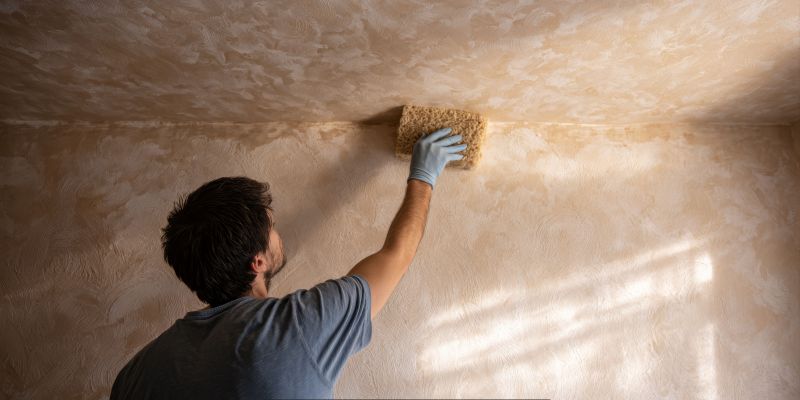
Table of Contents
ToggleWhen it comes to home décor, walls are like blank canvases waiting to be transformed. If you’re looking to add depth, texture, and personality to your space without breaking the bank, DIY faux finish techniques are the perfect solution. Faux finishes mimic the look of natural materials like marble, wood, or stone, or create unique artistic effects that elevate your walls from ordinary to extraordinary.
Faux finishes are a cost-effective way to achieve high-end looks without the expense of real materials. They’re also incredibly versatile, allowing you to customize your walls to match your personal style. Whether you’re going for a rustic, modern, or elegant vibe, there’s a faux finish technique for you. Plus, DIYing these finishes can be a fun and rewarding project that adds value to your home.
Here are some of the most sought-after faux finish techniques you can try at home:
Sponging is one of the easiest faux finish techniques, perfect for beginners. It creates a soft, mottled effect that adds texture and dimension to your walls.
How to Do It:
Pro Tip: Use a lighter base coat with darker accent colors for a subtle effect, or vice versa for a bold statement.
Ragging creates a soft, fabric-like texture on your walls. It’s ideal for adding a touch of elegance to living rooms or bedrooms.
How to Do It:
Pro Tip: Use a lint-free rag to avoid leaving fibers on the wall.
Color washing gives walls a soft, watercolor-like appearance. It’s perfect for creating a warm, inviting atmosphere.
How to Do It:
Pro Tip: Stick to muted tones for a more natural, organic look.
Dragging creates a striped, linen-like texture that adds sophistication to any room.
How to Do It:
Pro Tip: Practice on a sample board first to perfect your technique.
Strie is a technique that mimics the look of fabric, such as silk or linen. It’s a more advanced method but yields stunning results.
How to Do It:
Pro Tip: Work in small sections to ensure the glaze doesn’t dry before you can drag it.
Marbling replicates the luxurious look of marble. It’s a bit more complex but well worth the effort for a high-end finish.
How to Do It:
Pro Tip: Study real marble patterns to make your faux finish more authentic.
DIY faux finish techniques are a fantastic way to add character and charm to your walls without spending a fortune. Whether you’re a beginner or a seasoned DIYer, there’s a technique to suit your skill level and style. By following these steps and tips, you’ll create stunning walls that reflect your creativity and enhance your home’s aesthetic. So grab your tools, pick a technique, and start transforming your space today!

Mai is Candy Bird's go-to writer for everything around the house, from repairs and DIY fixes to smart storage, energy-saving upgrades and buying or selling a home. Her advice is practical, easy to follow and comes with a touch of humor, whether you're a first-time homeowner or a seasoned DIYer.
More from this writer →Five minutes, every weekend. Free.

Practical guides for the place you live: fixing it up, decorating it, keeping it running, and buying, selling or renting it.
© 2026 Candy Bird. All rights reserved.
Candy Bird is ad-supported. Our guides are general information, not professional, legal or financial advice: check with a licensed contractor, agent or lender before big decisions.