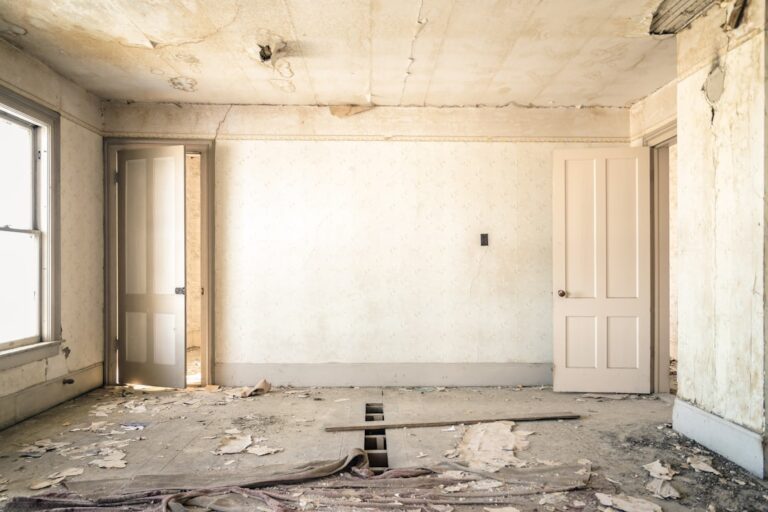
Home renovation, a significant undertaking, involves the process of improving or repairing a home. It can range from minor cosmetic updates to comprehensive structural alterations. The primary motivations for renovation are diverse, encompassing increased functionality, enhanced aesthetics, improved energy efficiency, and augmented property value. This article explores key considerations and practical strategies for successful home renovation.
Effective planning and meticulous budgeting are the cornerstone of any successful renovation project. Without a clear roadmap, renovations can quickly devolve into costly and time-consuming endeavors.
Defining Renovation Scope and Goals
Before any demolition or construction commences, a homeowner must clearly delineate the scope of the project. This involves identifying specific areas for improvement, such as a kitchen remodel, bathroom suite upgrade, or the addition of an extra room. The goals for each area must be articulated with precision. For instance, a kitchen renovation might aim for improved workflow, increased storage, and a modern aesthetic. A bathroom renovation might prioritize enhanced accessibility and spa-like features. This initial phase acts as the architectural rendering of the project, providing a visual and functional framework. Failing to define these parameters is akin to embarking on a journey without a destination, leading to potential detours and dead ends.
Establishing a Realistic Budget
Financial planning is arguably the most critical aspect of renovation. A comprehensive budget must account for all foreseeable expenses, including materials, labor, permits, and contingency funds. Experts uniformly recommend allocating 15-20% of the total budget for unforeseen circumstances. This acts as a financial shock absorber, mitigating the impact of unexpected issues such as discovering outdated plumbing or electrical systems behind walls. Researching average costs for similar projects in the geographic region can provide valuable benchmarks. Obtaining multiple quotes from contractors for identical work also facilitates cost comparison and negotiation. The budget should not be a static document but a living entity, subject to periodic review and adjustment as the project progresses. Strict adherence to budget boundaries is crucial, as cost overruns can quickly erode the perceived benefits of the renovation.
Securing Necessary Permits and Approvals
Many renovation projects, particularly those involving structural changes, electrical work, plumbing, or modifications to the building envelope, necessitate permits from local authorities. These permits ensure that renovations comply with building codes and safety regulations. Neglecting to obtain proper permits can result in fines, project delays, and even the requirement to undo completed work. The permitting process can vary significantly by jurisdiction and often requires detailed plans and inspections. Engaging with local building departments early in the planning process is advisable to understand specific requirements and timelines. This bureaucratic step, while often perceived as an inconvenience, serves as a vital safeguard for both the homeowner and future inhabitants of the dwelling.
If you’re considering a home renovation project that includes enhancing your outdoor space, you might find it beneficial to explore sustainable gardening practices. A great resource for this is the article on how to build a compost bin for your garden, which provides a step-by-step guide to creating an eco-friendly composting system. This can not only improve your garden’s health but also contribute to a more sustainable home environment. You can read the article here: How to Build a Compost Bin for Your Garden: A Step-by-Step Guide.
Design and Aesthetics: Crafting Visual Harmony
Beyond functionality, the aesthetic appeal of a renovated space significantly contributes to its overall value and the homeowner’s satisfaction. Thoughtful design choices can transform a utilitarian space into a personal sanctuary.
Selecting a Cohesive Design Style
The myriad of design styles available can be overwhelming. Homeowners should consider factors such as their personal preferences, the existing architectural style of the house, and the desired atmosphere for each space. Whether opting for a minimalist Scandinavian aesthetic, a rustic farmhouse charm, or a classic traditional look, consistency is key. A cohesive design style creates a sense of flow and harmony throughout the renovated areas, preventing a disjointed appearance. Mood boards, collages of images and material samples, serve as effective tools for visualizing and refining design concepts. They act as a visual compass, guiding material and color selections towards a unified vision.
Material Selection and Sourcing
The choice of materials has a profound impact on both the aesthetics and durability of a renovation. Researching different options, considering their performance characteristics, maintenance requirements, and environmental impact, is essential. For example, selecting flooring materials involves balancing factors such as durability (e.g., porcelain tile for high-traffic areas), comfort (e.g., engineered wood for bedrooms), and appearance. Similarly, countertop materials range from robust granite and quartz to more budget-friendly laminates. Sourcing materials from reputable suppliers ensures quality and adherence to specifications. Comparing samples in situ, under varying lighting conditions, can prevent unsatisfactory surprises upon installation. The tactile and visual qualities of materials contribute significantly to the overall sensation of the renovated environment, making careful selection paramount.
Lighting and Color Theory
Lighting, often underestimated, plays a pivotal role in shaping the ambiance and functionality of a space. A well-designed lighting scheme incorporates multiple layers: ambient lighting for general illumination, task lighting for specific activities (e.g., under-cabinet lighting in a kitchen), and accent lighting to highlight architectural features or artwork. The color temperature of light bulbs (warm white vs. cool white) also influences perception and mood. Color, a powerful psychological tool, directly impacts the emotional response to a room. Understanding basic color theory, such as the use of warm colors to create inviting spaces and cool colors to evoke tranquility, can guide paint and finish selections. Lighter colors tend to enlarge a space, while darker colors can create intimacy. Samples should be tested on walls before full application, as colors often appear different from swatches once painted on a larger surface and exposed to natural and artificial light.
Contractor Selection and Management: Navigating the Partnership
The successful execution of a renovation project often hinges on the quality of the professionals involved. Selecting the right contractor and establishing an effective working relationship are critical factors.
Vetting and Hiring Contractors
The process of hiring a contractor should be rigorous. Obtain recommendations from trusted sources, such as friends, family, or reputable design professionals. Interview multiple contractors, requesting detailed proposals that clearly outline the scope of work, timeline, and cost breakdown. Verify their licenses, insurance, and references. Speaking with previous clients can provide valuable insights into a contractor’s professionalism, communication skills, and adherence to schedules and budgets. A comprehensive contract outlining all agreed-upon terms, including payment schedules, change order procedures, and dispute resolution mechanisms, is indispensable. Avoid engaging contractors who request a large upfront payment, as this can be a red flag. A reputable contractor will have a structured payment plan tied to project milestones.
Effective Communication and Project Oversight
Throughout the renovation, clear and consistent communication between the homeowner and the contractor is paramount. Regular meetings, either in person or virtual, to discuss progress, address concerns, and make decisions, are essential. Document all decisions, changes, and agreements in writing to avoid misunderstandings. Homeowners should maintain a degree of project oversight, ensuring that work is progressing according to the schedule and specifications. While it is important to trust the contractor, occasional site visits and informed questioning can identify potential issues early. However, excessive micromanagement can be counterproductive and impede the contractor’s ability to efficiently perform their duties. A balanced approach, characterized by respectful collaboration and clear expectations, fosters a more positive and productive working relationship.
Managing Change Orders
Invariably, during a renovation, unforeseen circumstances or evolving preferences may lead to changes in the original scope of work. These are formalized through change orders, which document the modification, its impact on the cost, and the revised timeline. It is crucial to have a clear process for managing change orders, ensuring that all modifications are approved in writing before execution. Uncontrolled change orders are a significant contributor to budget overruns and project delays. Homeowners should carefully evaluate the necessity and financial implications of each proposed change, balancing desire with practicality. Think of change orders as navigational adjustments during a voyage; each alteration must be carefully considered to avoid veering off course.
Project Execution: Bringing the Vision to Life
With planning complete and contractors secured, the project shifts into the active construction phase. This period demands adaptability and attention to detail.
Site Preparation and Safety
Before any demolition or construction begins, proper site preparation is critical. This includes protecting existing finishes and furniture from dust and damage, setting up temporary barriers, and ensuring adequate ventilation. Safety protocols are paramount, especially when dealing with hazardous materials or heavy machinery. Homeowners should be aware of potential risks, such as exposure to lead paint or asbestos in older homes, and ensure that contractors are taking appropriate precautions. A clean and organized worksite contributes to efficiency and reduces the likelihood of accidents.
Demolition and Construction Phases
The renovation process typically unfolds in a series of distinct phases. Demolition involves the removal of unwanted structures, fixtures, and finishes. This phase can be disruptive and dusty, requiring appropriate containment measures. Following demolition, the rough-in stages commence, involving structural framing, new plumbing lines, electrical wiring, and HVAC ductwork. These hidden layers form the skeletal system of the renovated space, dictating its future functionality. Subsequent phases include insulation, drywall installation, flooring, cabinetry, painting, and the installation of fixtures and finishes. Each stage builds upon the previous one, demanding precision and coordination. Regularly reviewing progress against the project schedule helps in identifying and addressing potential delays promptly.
Inspections and Quality Control
Throughout the construction process, various inspections by local building authorities may be required to ensure compliance with codes. These typically occur at key milestones, such as after rough-in plumbing and electrical, and a final inspection upon completion. Homeowners should actively participate in quality control, conducting walkthroughs at different stages to identify any defects or deviations from the agreed-upon plans. Addressing issues proactively, rather than waiting until the very end, can prevent more costly and time-consuming rectifications later. A meticulous approach to quality control ensures that the finished product meets both regulatory standards and the homeowner’s expectations.
If you’re considering a home renovation, it’s essential to gather insights on how to find reliable professionals to assist you in the process. A helpful resource is an article that discusses the importance of locating trustworthy experts for various projects. You can read more about this topic in the article on finding online test takers, which provides valuable tips on ensuring you hire the right people for your renovation needs. For more information, check out the article here.
Post-Renovation: Enjoying and Maintaining Your New Space
| Renovation Aspect | Average Cost | Typical Duration | ROI (Return on Investment) | Common Materials Used |
|---|---|---|---|---|
| Kitchen Remodel | 25,000 – 50,000 | 3 – 6 weeks | 60% – 80% | Granite, Quartz, Stainless Steel, Hardwood |
| Bathroom Renovation | 10,000 – 25,000 | 2 – 4 weeks | 50% – 70% | Ceramic Tile, Porcelain, Marble, Glass |
| Basement Finishing | 15,000 – 30,000 | 4 – 8 weeks | 70% – 75% | Drywall, Carpet, Laminate Flooring |
| Roof Replacement | 7,000 – 15,000 | 1 – 3 weeks | 65% – 75% | Asphalt Shingles, Metal, Tile |
| Exterior Painting | 3,000 – 7,000 | 1 – 2 weeks | 50% – 60% | Latex Paint, Oil-based Paint |
| Window Replacement | 5,000 – 12,000 | 1 – 2 weeks | 70% – 80% | Vinyl, Wood, Aluminum |
The completion of major construction marks a significant milestone, but the renovation journey does not end there. Post-renovation activities ensure longevity and continued satisfaction.
Final Walkthrough and Punch List
Upon substantial completion of the project, a final walkthrough with the contractor is essential. This walkthrough is an opportunity to identify any remaining deficiencies, minor imperfections, or items not completed according to the contract. These items are compiled into a “punch list” – a formal document outlining all the work that needs to be remedied or completed before final payment is made. It is crucial to be thorough during this inspection, examining every detail, from paint finishes to appliance functionality. The punch list serves as the final quality assurance checkpoint, ensuring that the project reaches its intended conclusion.
Warranty and Documentation
Ensure that all relevant documentation, including product warranties, appliance manuals, and contractor guarantees, are compiled and organized. This information will be invaluable for future maintenance, repairs, or warranty claims. Many contractors offer a warranty on their workmanship, typically for a period of one year. Understanding the terms and conditions of these warranties is important. Creating a digital archive of all project documents, including contracts, invoices, and photos, provides a comprehensive record of the renovation process. This documentation can also be beneficial for insurance purposes and for future resale of the property.
Ongoing Maintenance and Care
A renovated space, like a newly acquired possession, requires ongoing care and maintenance to preserve its appearance and functionality. Adhering to manufacturer guidelines for cleaning and maintaining new materials and appliances will extend their lifespan. Regular inspections for signs of wear and tear, and addressing minor issues promptly, can prevent them from escalating into larger problems. For example, regularly checking grout lines in bathrooms or cleaning HVAC filters contributes to the long-term health of the home. The renovation is not an endpoint but rather the beginning of a new chapter in the life of the home, one that requires continued stewardship. This ongoing commitment to care ensures that the investment in renovation continues to yield dividends in terms of comfort, aesthetics, and value.
FAQs
What are the common steps involved in a home renovation?
Home renovation typically involves planning and design, budgeting, obtaining necessary permits, hiring contractors, demolition, construction or remodeling, inspections, and final finishing touches such as painting and decorating.
How long does a typical home renovation take?
The duration of a home renovation varies depending on the scope and complexity of the project. Small renovations may take a few weeks, while extensive remodels can take several months to complete.
What is the average cost of a home renovation?
The cost of home renovation depends on factors such as the size of the area being renovated, materials used, labor costs, and the extent of the work. On average, homeowners can expect to spend anywhere from a few thousand to tens of thousands of dollars.
Do I need permits for home renovation projects?
Many home renovation projects require permits, especially those involving structural changes, electrical work, plumbing, or additions. It is important to check with local building authorities to ensure compliance with regulations.
How can I choose the right contractor for my home renovation?
To choose the right contractor, research and verify credentials, check references and past work, obtain multiple quotes, ensure clear communication, and confirm that the contractor is licensed and insured.