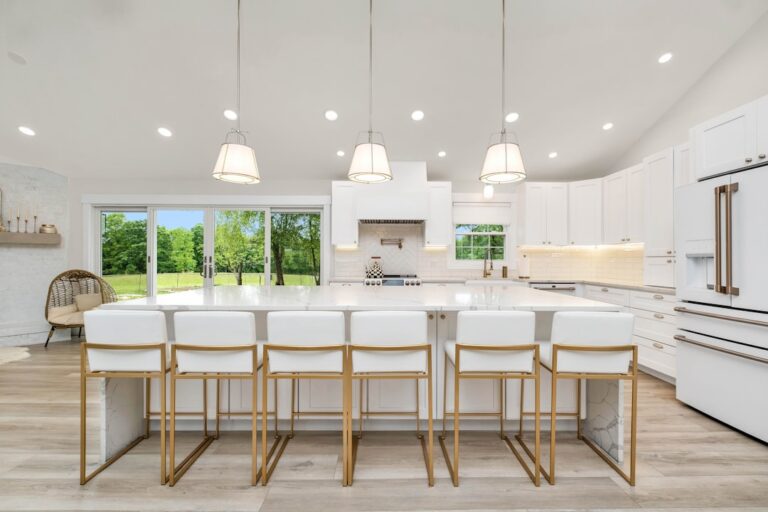
Remodeling a living space represents a significant undertaking, involving a complex interplay of design, logistics, and financial considerations. This guide provides a comprehensive overview of the remodeling process, offering factual insights and practical advice to individuals considering such a venture. From initial conceptualization to the final touches, each stage demands careful attention and informed decision-making.
Effective planning serves as the bedrock of any successful renovation project. Without a clear vision and a structured approach, the endeavor risks becoming disorganized, costly, and ultimately unsatisfactory. This phase necessitates thorough research, realistic goal setting, and a pragmatic assessment of resources.
Defining Your Vision and Goals
Before any demolition or construction begins, a homeowner must clearly articulate their desired outcomes. This involves more than simply wanting a “new look.” Specificity is crucial.
Identifying Needs and Desires
Consider the core functions the renovated space will serve. Are you seeking increased functionality, enhanced aesthetics, or a combination of both? Detail specific problems the current space presents and how the remodel will address them. For example, in a kitchen remodel, a homeowner might aim for more counter space, improved storage solutions, or a better flow for entertaining. In a bathroom, considerations might include accessibility, a larger shower, or a spa-like ambiance.
Researching Styles and Trends
Exploring various design aesthetics can help refine the vision. Utilize online resources, design magazines, and showrooms to gather inspiration. While contemporary trends can be informative, it is advisable to prioritize timeless elements that align with personal taste and the architectural style of the home. Trends can be fleeting; enduring design offers lasting satisfaction. For instance, while an avocado-green kitchen might have been trendy in the 1970s, its appeal has diminished considerably. Conversely, classic white cabinetry maintains its appeal across decades.
Establishing a Realistic Scope
The scope of a remodel defines the extent of the project. This can range from minor cosmetic updates, such as repainting and refacing cabinets, to major structural alterations, including wall removals and room additions. A realistic scope aligns with both financial capabilities and the property’s potential. Overambitious plans can lead to budget overruns and project delays.
Budgeting and Financing: The Financial Blueprint
Financial planning is arguably the most critical aspect of remodeling. It acts as a compass, guiding decisions and preventing unexpected detours.
Developing a Detailed Budget
A comprehensive budget should account for all foreseeable expenses. This includes materials, labor, permits, contingencies, and potential hidden costs. Obtain multiple quotes from contractors and suppliers to establish realistic figures. It is prudent to allocate an additional 10-20% of the total budget as a contingency fund for unforeseen issues that frequently arise during renovation. This “rainy day fund” can mitigate the impact of unexpected repairs or material price fluctuations.
Exploring Financing Options
Several avenues exist for funding a remodel. Homeowners may utilize personal savings, home equity loans (HELs), home equity lines of credit (HELOCs), or cash-out refinancing. Each option possesses distinct advantages and disadvantages regarding interest rates, repayment terms, and accessibility. A thorough understanding of these options is essential for choosing the most suitable financial instrument. For instance, a HELOC offers flexibility, allowing funds to be drawn as needed, whereas a HEL provides a lump sum.
Understanding Return on Investment (ROI)
While personal enjoyment is a primary motivator, considering the potential return on investment (ROI) can be beneficial, particularly if future resale is a possibility. Certain renovations, such as kitchen and bathroom remodels, often yield higher ROIs than others, such as highly personalized or unusually luxurious additions. However, this varies significantly by market and property type. The ROI is not merely a financial metric; it can also encompass the enhanced quality of life derived from the improved space.
If you’re considering a remodeling project and are unsure about the layout of your spaces, you might find the article on open concept versus defined spaces particularly insightful. It explores the benefits and drawbacks of each design style, helping homeowners make informed decisions that suit their lifestyle and preferences. For more information, check out the article here: Open Concept vs. Defined Spaces: What’s Best for Your Home?.
The Design Phase: Translating Vision into Reality
Once the foundational planning is complete, the design phase transforms abstract concepts into tangible plans. This stage often involves collaboration with professionals and the meticulous selection of materials.
Engaging Professionals: Expert Guidance
For projects exceeding minor cosmetic changes, engaging qualified professionals is highly recommended. Their expertise can prevent costly mistakes and ensure adherence to building codes.
Architects and Designers
Architects specialize in structural alterations and often possess a deep understanding of building codes and spatial planning. Interior designers, conversely, focus on aesthetics, functionality, and material selection within existing structures. Their roles can overlap, and for comprehensive projects, a collaborative approach between an architect and an interior designer can be highly effective. They act as translators, converting your spoken desires into drawings and specifications.
Remodeling Contractors
A general contractor (GC) manages the entire construction process, coordinating subcontractors, overseeing timelines, and ensuring quality control. Due diligence in selecting a contractor is paramount. Solicit bids from multiple licensed and insured contractors, review their portfolios, and check references diligently. A reputable contractor is transparent about costs, timelines, and potential challenges. They are the conductor of your remodeling symphony, ensuring all instruments play in harmony.
Material Selection: Tactile Decisions
The choice of materials profoundly impacts the aesthetics, durability, and cost of a remodel. This involves a balance between personal preference, budget constraints, and functional requirements.
Flooring Options
Flooring materials range widely, from hardwood and laminate to tile, carpet, and vinyl. Each possesses unique characteristics regarding durability, maintenance, cost, and appearance. For kitchens and bathrooms, water-resistant options like tile or luxury vinyl plank are often preferred. In living areas, hardwood offers timeless elegance, while carpet provides warmth and sound absorption.
Cabinetry and Countertops
In kitchens and bathrooms, cabinetry provides storage and defines the aesthetic. Options include custom, semi-custom, and stock cabinets, varying significantly in cost and customization. Countertop materials—granite, quartz, marble, laminate, concrete—each offer distinct aesthetic and functional properties. For example, granite is durable but requires sealing, while quartz is non-porous and low-maintenance.
Fixtures and Finishes
Minor details can significantly influence the overall feel of a space. Faucets, lighting fixtures, hardware, paint colors, and trim all contribute to the final aesthetic. Care should be taken to ensure these elements complement each other and the overarching design scheme. The choice of a simple doorknob can align with or detract from the overall design narrative.
The Construction Phase: Bringing the Vision to Life
With plans finalized and materials selected, the physical transformation of the space commences. This phase requires ongoing communication, oversight, and a degree of adaptability.
Permitting and Regulations: Legal Compliance
Before any physical work begins, obtaining necessary permits from local authorities is mandatory. This ensures the renovation adheres to building codes, zoning laws, and safety standards.
Understanding Local Codes
Building codes are established to protect public health and safety. Non-compliance can result in fines, project shutdowns, or the requirement to undo completed work. Your contractor or architect should be knowledgeable about local regulations and facilitate the permitting process. It is a legal framework that underpins the stability and safety of your modified home.
The Permitting Process
The permitting process typically involves submitting detailed plans to the local building department for review and approval. This can take several weeks or longer, depending on the complexity of the project and the efficiency of the municipal department. Factor this lead time into your project schedule.
Managing the Project: The Daily Rhythm
Effective project management during construction is crucial for staying on schedule and within budget.
Communication with Your Contractor
Maintain open and consistent communication with your general contractor. Regular meetings or check-ins can address concerns, clarify expectations, and resolve issues promptly. Documentation of all decisions and change orders is essential to prevent misunderstandings. Your relationship with your contractor is a partnership; clear communication is the glue.
Site Organization and Safety
A well-organized and safe worksite contributes to efficiency and minimizes risks. Contractors are responsible for maintaining a safe environment, but homeowners should also be aware of potential hazards, especially if living in the home during renovation.
Dealing with Unforeseen Issues
Remodeling often uncovers unexpected issues, such as outdated electrical wiring, plumbing problems, or structural weaknesses. These “surprises” are common and necessitate flexibility. The contingency budget established earlier will be invaluable in addressing these challenges without derailing the entire project. Think of these as plot twists in your remodeling story, requiring creative solutions.
Post-Construction: The Final Touches and Beyond
The completion of construction marks an important milestone, but the process does not conclude there. Post-construction activities ensure the project’s quality, functionality, and long-term satisfaction.
Final Inspections and Walk-Throughs: Quality Assurance
Upon completion of the construction, several final steps are necessary to ensure the project meets all standards and expectations.
Municipal Inspections
Local building inspectors will conduct final inspections to verify that all work complies with approved plans and building codes. Passing these inspections is typically required for obtaining a certificate of occupancy or project completion.
Final Walk-Through with Contractor
A thorough walk-through with your general contractor is crucial. Identify any remaining issues, known as “punch list” items, such as minor defects, incomplete tasks, or aesthetic imperfections. These should be documented and addressed by the contractor before final payment is rendered. This is your opportunity to meticulously examine all the details of the finished work.
Settling In: Enjoying Your Revamped Space
Once all work is complete and approvals are obtained, the focus shifts to utilizing and maintaining the newly renovated space.
Cleaning and Organization
Post-construction cleaning is often extensive, involving the removal of dust, debris, and protective coverings. Once clean, organizing the space allows for the full enjoyment of its new functionality and aesthetic.
Warranties and Maintenance
Understand the warranties provided for materials and labor. Keep all documentation, including invoices, contracts, and warranty information. Establish a routine maintenance schedule to preserve the longevity and appearance of your renovations. For example, regular cleaning of grout or periodic sealing of natural stone countertops can extend their lifespan.
When considering a home renovation, it’s essential to think about the long-term management and maintenance of your newly remodeled spaces. A related article that provides valuable insights on managing and maintaining your investments can be found here. Understanding the upkeep required for various elements in your home can help ensure that your remodeling efforts stand the test of time, making your living environment both beautiful and functional.
Conclusion: The Enduring Value of Transformation
| Remodeling Metric | Description | Average Value | Unit |
|---|---|---|---|
| Average Project Duration | Typical time taken to complete a remodeling project | 3 to 6 | Months |
| Return on Investment (ROI) | Percentage of value added to home after remodeling | 60 to 75 | Percent |
| Cost per Square Foot | Average cost to remodel per square foot | 100 to 250 | Currency Units |
| Popular Remodeling Areas | Most commonly remodeled parts of a home | Kitchen, Bathroom, Basement | Categories |
| Average Increase in Home Value | Typical increase in home value post-remodeling | 10 to 20 | Percent |
| DIY vs Professional | Percentage of projects done by homeowners vs professionals | 30 / 70 | Percent |
Remodeling a living space is a multifaceted endeavor, representing a significant investment of time, effort, and financial resources. From the initial conceptualization and meticulous budgeting to the intricate design phase and the complexities of construction, each stage demands thoughtful consideration and informed decision-making. Engaging qualified professionals, maintaining clear communication, and preparing for unforeseen challenges are pivotal to navigating the remodeling journey successfully. The ultimate reward transcends mere aesthetic improvements, encompassing enhanced functionality, increased property value, and a renewed sense of comfort and satisfaction within one’s home. A well-executed remodel transforms not just a physical space, but often, the resident’s daily experience within it.
FAQs
What is remodeling?
Remodeling refers to the process of making significant changes or improvements to an existing building or space. This can include altering the structure, layout, or appearance to better meet the needs or preferences of the occupants.
How is remodeling different from renovation?
Remodeling typically involves changing the structure or function of a space, such as adding a room or changing the floor plan. Renovation usually means restoring or updating existing features without major structural changes, like repainting or replacing fixtures.
What are common areas targeted in remodeling projects?
Common areas for remodeling include kitchens, bathrooms, basements, and living rooms. These spaces are often updated to improve functionality, increase home value, or enhance aesthetic appeal.
How long does a remodeling project usually take?
The duration of a remodeling project varies widely depending on the scope and complexity. Small projects may take a few days to weeks, while extensive remodels can take several months to complete.
What factors should be considered before starting a remodeling project?
Important factors include budget, timeline, desired outcomes, permits and regulations, and hiring qualified professionals. Proper planning helps ensure the project meets expectations and stays within constraints.