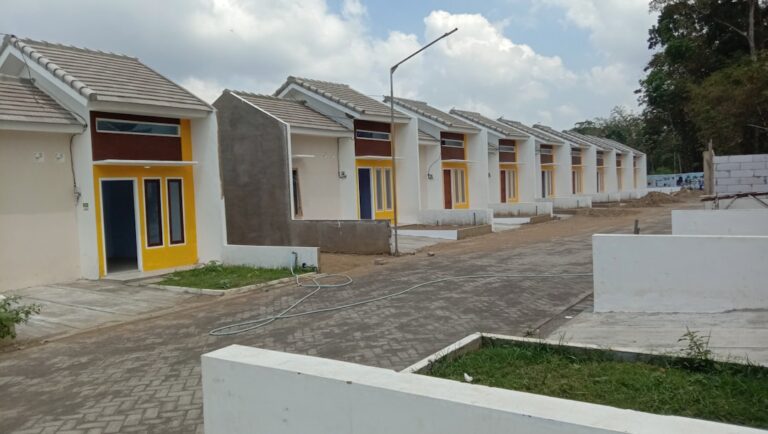
The pursuit of a new residence often represents a significant life event, a complex undertaking that involves financial considerations, lifestyle assessments, and emotional investments. This article explores the various facets of discovering a dream home within the current real estate market, aiming to provide a comprehensive overview for prospective buyers. The process necessitates a systematic approach, from initial conceptualization to final acquisition, considering a multitude of factors that collectively define a “dream home.”
The concept of a “dream home” is inherently subjective, reflecting individual aspirations, needs, and financial capabilities. It is not merely a structure but a canvas upon which one paints their future life. Understanding this personalized definition is the foundational step in the search process.
Lifestyle and Needs Assessment
Before embarking on property viewings, a thorough self-assessment of one’s lifestyle and evolving needs is paramount. This introspection serves as a compass, guiding the buyer toward properties that genuinely align with their long-term objectives.
- Family Composition and Future Growth: Consideration of current family size and anticipated changes (e.g., plans for children, aging parents) dictates the number of bedrooms, bathrooms, and overall living space required. A dwelling that accommodates future growth avoids the necessity of another move in the short to medium term.
- Work-Life Balance: The proximity of a home to employment centers, schools, and essential services directly impacts commute times and overall daily convenience. For individuals working remotely, dedicated office space, or the potential to create one, becomes a critical factor.
- Leisure Activities and Hobbies: Access to parks, recreational facilities, cultural venues, or specific geographic features (e.g., proximity to water for boating enthusiasts) can significantly enhance quality of life and should influence location choices.
- Accessibility Requirements: For individuals with mobility challenges or specific medical needs, features such as single-story living, ramps, wider doorways, and accessible bathrooms are non-negotiable.
Financial Preparedness: The Cornerstone of Acquisition
The financial aspect is a critical determinant in the home-buying process. A clear understanding of one’s financial capacity dictates the realistic scope of the search.
- Budget Formulation: This involves a detailed assessment of income, existing debts, and monthly expenses to establish a realistic price range for a property. It is crucial to factor in not only the mortgage principal and interest but also property taxes, homeowner’s insurance, and potential homeowner association (HOA) fees.
- Pre-Approval for a Mortgage: Obtaining pre-approval from a lender provides a concrete understanding of the maximum loan amount one qualifies for and demonstrates to sellers the buyer’s financial credibility. This step streamlines the offer process and can provide a competitive edge in a seller’s market.
- Down Payment and Closing Costs: Buyers must account for a down payment, typically a percentage of the purchase price, and various closing costs, which can include loan origination fees, appraisal fees, title insurance, and legal fees. These upfront expenses can represent a significant sum beyond the purchase price.
If you’re interested in finding the perfect home for your family, you might also enjoy exploring related topics that enhance your lifestyle. For instance, check out this informative article on how to set up an ice fishing spread for multiple lines, which can be a fun winter activity for those living in colder climates. You can read the article here: How to Set Up an Ice Fishing Spread for Multiple Lines: A Comprehensive Guide.
Navigating the Market: Research and Due Diligence
The real estate market is dynamic, influenced by economic indicators, supply and demand, and regional specificities. Effective navigation requires meticulous research and a commitment to due diligence.
Market Analysis and Trends
Understanding local market conditions is crucial for making informed decisions. This involves analyzing current trends in property values, inventory levels, and sale velocities.
- Property Values and Appreciation Rates: Researching historical property values and appreciation rates in target neighborhoods provides insights into the potential investment value and stability of the area.
- Inventory Levels: A low inventory of available homes generally indicates a seller’s market, potentially leading to increased competition and higher prices. Conversely, a high inventory suggests a buyer’s market, offering more negotiation leverage.
- Days on Market (DOM): This metric indicates the average time properties remain on the market. A low DOM suggests a fast-moving market, while a high DOM might indicate overpricing or other issues with listings.
Location, Location, Location: The Unseen Value
The adage “location, location, location” remains a cornerstone of real estate valuation. Beyond the physical structure, the surrounding environment significantly contributes to a property’s appeal and long-term value.
- Neighborhood Demographics and Amenities: Evaluation of neighborhood characteristics, including demographics, school districts, proximity to retail, dining, and healthcare facilities, is essential. These factors directly impact daily life and future resale potential.
- Infrastructural Development: Prospective buyers should investigate planned infrastructural developments in the area, such as new transportation links, commercial centers, or community facilities, as these can positively or negatively impact property values.
- Environmental Factors and Risks: Awareness of potential environmental risks, such as flood zones, seismic activity, or proximity to industrial areas, is critical. Property disclosures typically address these, but independent research is advisable.
The Search Process: From Online Portals to Personal Viewings
With the foundational work complete, the practical search for properties begins. This phase intertwines digital tools with personal engagement.
Leveraging Online Resources
Online real estate platforms have revolutionized the initial stages of property search, offering vast databases and sophisticated search filters.
- Real Estate Websites and Apps: Platforms such as Zillow, Realtor.com, and Redfin provide extensive listings, property details, virtual tours, and neighborhood information. These resources allow buyers to filter by price, number of bedrooms/bathrooms, property type, and specific features.
- Virtual Tours and High-Resolution Photography: Many listings now include virtual tours (3D walkthroughs) and professional photography, enabling buyers to conduct initial assessments remotely and narrow down properties for in-person visits.
- Neighborhood Data and Market Insights: Beyond property listings, these platforms often offer comprehensive demographic data, school ratings, crime statistics, and recent sales data for specific neighborhoods, aiding in the location assessment.
The Role of a Real Estate Agent
While online tools are invaluable, a skilled real estate agent provides personalized expertise and market navigation.
- Market Expertise and Local Knowledge: Agents possess in-depth knowledge of local market dynamics, including unlisted properties, off-market opportunities, and nuanced neighborhood characteristics that online platforms may not capture.
- Negotiation and Representation: A buyer’s agent acts as a fiduciary, representing the buyer’s interests throughout the negotiation process, aiming to secure the best possible terms and price. They manage contractual complexities and ensure compliance with legal requirements.
- Access to Listings and Showings: Agents have access to comprehensive Multiple Listing Service (MLS) databases, often providing early access to new listings. They also coordinate and schedule property viewings, streamlining the process for the buyer.
Property Evaluation: Beyond the Aesthetics
Once potential homes are identified, a rigorous evaluation process is necessary. This extends beyond cosmetic appeal to encompass structural integrity, functional layout, and future adaptability.
Physical Inspection and Structural Integrity
A professional home inspection is a non-negotiable step in assessing a property’s condition and identifying potential issues.
- Comprehensive Home Inspection: A certified inspector examines the property’s foundation, roof, HVAC system, plumbing, electrical systems, and other critical components. The inspection report details any defects, immediate repair needs, and potential long-term maintenance issues.
- Specialized Inspections: Depending on the property’s age, location, or identified concerns, specialized inspections may be warranted. These include radon testing, pest control inspections (e.g., for termites), mold assessments, and sewer line inspections.
- Assessment of Repair Costs: The findings of inspections inform the buyer of potential repair costs, which can then be factored into the offer negotiation or used to reassess the property’s overall value.
Functional Layout and Future Adaptability
A “dream home” often accommodates present needs while offering the flexibility to adapt to future changes in lifestyle or family structure.
- Flow and Usability: Evaluation of the floor plan for practical functionality, natural light, and the overall flow between living spaces is crucial. Consider how the layout aligns with daily routines and entertaining preferences.
- Storage Solutions: Adequate storage space, including closets, pantries, and garage or basement areas, is a practical necessity often overlooked in initial viewings.
- Potential for Renovation or Expansion: For buyers considering future improvements, assessing the property’s potential for renovation or expansion (e.g., adding a room, reconfiguring a layout) and understanding local zoning regulations is important.
If you’re considering purchasing a new home, it’s essential to think about various factors that can affect your living experience, including the condition of the windows. Upgrading to energy-efficient windows can significantly enhance your home’s comfort and reduce energy costs. For more insights on home improvements, you might find this article on the difference between retrofit and replacement windows helpful, as it provides valuable information for homeowners looking to make informed decisions. You can read it here: difference between retrofit and replacement windows.
The Offer and Closing Process: The Final Steps to Ownership
| Location | Number of Homes for Sale | Average Price | Average Size (sq ft) | Average Days on Market |
|---|---|---|---|---|
| New York, NY | 1,200 | 850,000 | 1,100 | 45 |
| Los Angeles, CA | 1,500 | 780,000 | 1,350 | 38 |
| Chicago, IL | 900 | 320,000 | 1,200 | 50 |
| Houston, TX | 1,100 | 290,000 | 1,500 | 42 |
| Phoenix, AZ | 800 | 350,000 | 1,400 | 40 |
The culmination of the search and evaluation phases is the submission of an offer and the subsequent closing process, a series of legal and financial transactions.
Crafting a Competitive Offer
An offer to purchase is a legally binding document that outlines the terms under which a buyer is willing to acquire a property.
- Price and Contingencies: The offer price is central, but equally important are contingencies, such as those related to financing (mortgage approval), inspection outcomes, and appraisal values. These clauses protect the buyer’s interests.
- Earnest Money Deposit: A good-faith deposit, known as earnest money, accompanies the offer, demonstrating the buyer’s seriousness. This amount is typically held in escrow and applied towards the down payment or closing costs.
- Negotiation Strategy: Based on market conditions, property defects, and seller motivations, a strategic negotiation approach is vital. This may involve counter-offers, adjustments to contingencies, or agreements on closing costs.
The Closing Ceremony
The closing process is the final stage, where ownership is legally transferred from the seller to the buyer.
- Appraisal and Underwriting: Before closing, the lender requires an appraisal to determine the property’s market value, ensuring it justifies the loan amount. The loan undergoes final underwriting to verify all conditions are met.
- Title Search and Insurance: A title search is conducted to ensure the seller has clear legal ownership and that there are no liens or encumbrances on the property. Title insurance then protects the buyer and lender against future claims to ownership.
- Final Walk-Through and Document Signing: A final walk-through of the property is conducted just before closing to ensure it is in the agreed-upon condition. At the closing appointment, all legal documents, including the deed and mortgage agreement, are signed, and funds are disbursed, officially transferring ownership.
The journey to discovering a dream home is intricate, demanding careful planning, diligent research, and informed decision-making. By systematically addressing each stage, from defining personal criteria to navigating the complexities of the closing process, prospective buyers can effectively transform the abstract notion of a “dream home” into a tangible reality. This process is not merely a transaction; it is an investment in one’s future, a testament to personal aspirations, and the foundation for a new chapter.
FAQs
What types of homes are typically available for sale?
Homes for sale can include a variety of types such as single-family houses, condominiums, townhouses, duplexes, and sometimes manufactured or modular homes. The availability depends on the location and market conditions.
How can I find homes for sale in a specific area?
You can find homes for sale by using online real estate platforms, contacting local real estate agents, checking classified ads, or visiting open houses in the desired area.
What factors should I consider when buying a home?
Important factors include location, price, size, condition of the property, neighborhood amenities, school districts, and proximity to work or public transportation.
What is the typical process for purchasing a home?
The process usually involves getting pre-approved for a mortgage, searching for homes, making an offer, negotiating terms, conducting inspections, securing financing, and closing the sale with legal documentation.
Are there additional costs besides the home’s sale price?
Yes, additional costs can include closing costs, property taxes, homeowners insurance, maintenance expenses, and sometimes homeowners association (HOA) fees.