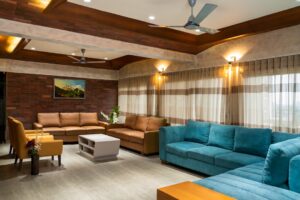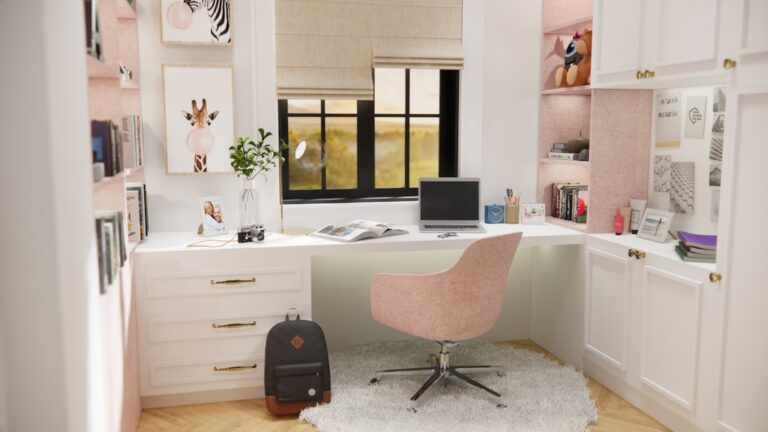
Multi-functional furniture serves as an effective solution for maximizing space utilization in residential environments. These pieces combine multiple purposes within a single item, enabling homeowners to optimize limited square footage while maintaining functionality. Sofa beds convert living areas into sleeping spaces when needed, while storage ottomans provide both seating and concealed storage for household items such as linens and reading materials.
These dual-purpose designs allow residents to accommodate varying needs without requiring additional furniture pieces. Modular furniture systems offer enhanced flexibility through reconfigurable components that can be adjusted according to specific requirements. These systems prove particularly beneficial in compact living spaces where adaptability is essential.
Extendable dining tables expand to accommodate additional guests, while adjustable-height coffee tables can serve multiple functions throughout the day. Height-adjustable surfaces can function as work desks, dining surfaces, or traditional coffee tables depending on user needs. The implementation of multi-functional furniture enables homeowners to create adaptable living environments that respond to changing daily requirements.
This approach proves especially valuable in urban settings where space constraints necessitate efficient furniture solutions. By selecting pieces that serve multiple purposes, residents can maintain both practical functionality and aesthetic appeal within their living spaces.
Key Takeaways
- Use multi-functional furniture and vertical storage to maximize limited space efficiently.
- Add mirrors and clever lighting to enhance the perception of room size and brightness.
- Employ room dividers and minimalist design to create distinct, clutter-free areas.
- Introduce bold colors, patterns, plants, and textiles to infuse personality and warmth.
- Customize and DIY furniture and decor for unique, personalized living spaces.
Incorporating Vertical Storage Solutions
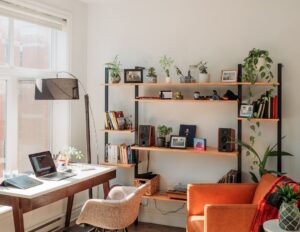
As urban living spaces continue to shrink, the importance of vertical storage solutions cannot be overstated. Utilizing wall space effectively allows individuals to maximize their storage capacity while keeping the floor area open and uncluttered. Shelving units that reach up to the ceiling can house books, decorative items, and even plants, drawing the eye upward and creating an illusion of height in the room.
This strategy not only enhances organization but also adds visual interest to the decor. In addition to traditional shelving, innovative storage options such as wall-mounted cabinets and pegboards have gained popularity. These solutions offer flexibility and can be customized to fit various styles and needs.
For example, a pegboard in a kitchen can hold utensils and pots, while in a home office, it can display tools and supplies. By embracing vertical storage, individuals can create a more spacious and organized environment, allowing them to enjoy their living areas without feeling overwhelmed by clutter.
Adding Mirrors to Create the Illusion of Space
Mirrors have long been celebrated for their ability to enhance light and create an illusion of space within a room. Strategically placing mirrors can reflect natural light, making a small area feel brighter and more open. A large mirror on one wall can serve as a focal point while simultaneously expanding the perceived dimensions of the room.
This clever use of reflective surfaces not only enhances the ambiance but also adds depth to the overall design. Furthermore, mirrors come in various shapes and styles, allowing for creative expression in decor. From ornate frames that add a touch of elegance to sleek, modern designs that emphasize minimalism, mirrors can complement any aesthetic.
By incorporating multiple mirrors throughout a space, individuals can create a dynamic interplay of reflections that further amplifies the sense of openness. This simple yet effective design element can transform even the coziest of spaces into an inviting haven.
Utilizing Room Dividers to Create Separate Areas
In open-concept living spaces, room dividers serve as an effective means of delineating different areas without sacrificing the overall flow of the design. These partitions can take many forms, from traditional folding screens to contemporary bookcases that provide both separation and storage. By using room dividers, individuals can create distinct zones for various activities, such as work, relaxation, or dining, enhancing functionality while maintaining an airy atmosphere.
Additionally, decorative room dividers can serve as artistic statements in their own right. A beautifully crafted screen can add texture and visual interest to a space while providing the necessary separation. For those who prefer a more flexible approach, curtains or sliding panels offer an easy way to adjust the level of openness or privacy as needed.
By thoughtfully incorporating room dividers into their design scheme, individuals can cultivate a harmonious balance between openness and intimacy in their living spaces.
Embracing Minimalist Design Principles
| Decorating Idea | Description | Space Efficiency | Cost Effectiveness | Visual Impact |
|---|---|---|---|---|
| Multi-functional Furniture | Use furniture that serves more than one purpose, like sofa beds or storage ottomans. | High | Medium | High |
| Light Colors | Paint walls and use decor in light shades to make the space feel larger and brighter. | High | High | Medium |
| Vertical Storage | Utilize wall shelves and tall bookcases to maximize storage without using floor space. | High | Medium | Medium |
| Mirrors | Place mirrors strategically to reflect light and create an illusion of more space. | Medium | High | High |
| Minimalist Decor | Keep decorations simple and minimal to avoid clutter and maintain openness. | High | High | Medium |
| Foldable Furniture | Incorporate foldable tables and chairs that can be stored away when not in use. | High | Medium | Medium |
| Area Rugs | Use rugs to define spaces and add warmth without taking up physical space. | Medium | High | High |
Minimalism has gained traction as a design philosophy that emphasizes simplicity and functionality. By embracing minimalist principles, individuals can create serene environments that promote relaxation and clarity. This approach encourages the decluttering of spaces, allowing only essential items to remain visible.
The result is an aesthetically pleasing atmosphere that feels spacious and inviting. Moreover, minimalist design often incorporates neutral color palettes and clean lines, which contribute to a sense of calmness. Furniture pieces are typically streamlined and devoid of excessive ornamentation, allowing for easy maintenance and versatility in styling.
By focusing on quality over quantity, individuals can invest in timeless pieces that enhance their living spaces without overwhelming them. Ultimately, minimalism fosters an appreciation for the beauty of simplicity while creating an environment conducive to mindfulness.
Using Bold Colors and Patterns to Add Personality
While minimalism promotes simplicity, incorporating bold colors and patterns can infuse personality into a space. Vibrant hues can evoke emotions and set the tone for a room, making it feel lively and inviting. A statement wall painted in a rich color or adorned with striking wallpaper can serve as a focal point that draws attention and sparks conversation.
Patterns also play a crucial role in adding character to interiors. From geometric designs to floral motifs, patterns can be introduced through textiles such as cushions, rugs, or curtains. Mixing and matching different patterns can create an eclectic vibe that reflects the homeowner’s unique style.
By thoughtfully integrating bold colors and patterns into their decor, individuals can transform their living spaces into vibrant expressions of their personality.
Incorporating Plants and Greenery for a Fresh Look
The presence of plants and greenery in interior design has become increasingly popular due to their numerous benefits. Not only do they enhance aesthetic appeal by adding color and texture, but they also improve air quality and promote well-being. Incorporating plants into living spaces creates a refreshing atmosphere that connects individuals with nature, fostering a sense of tranquility.
From large potted plants that serve as statement pieces to small succulents adorning shelves or windowsills, there are countless ways to integrate greenery into home decor. Vertical gardens or hanging planters can maximize space while adding visual interest at various heights. Additionally, choosing low-maintenance plants allows even those with busy lifestyles to enjoy the benefits of greenery without added stress.
By embracing plants in their design schemes, individuals can cultivate inviting environments that feel alive and vibrant.
Making Use of Clever Lighting Solutions
Lighting is a crucial element in interior design that significantly impacts mood and functionality. Clever lighting solutions can transform a space from dull to dynamic by highlighting architectural features or creating cozy nooks for relaxation. Layering different types of lighting—ambient, task, and accent—ensures that every corner of a room is well-lit while also allowing for versatility in ambiance.
For instance, pendant lights over dining areas create an inviting atmosphere for meals, while floor lamps in reading corners provide focused illumination for book lovers. Additionally, dimmer switches offer control over brightness levels, enabling individuals to adjust lighting according to their needs or preferences. By thoughtfully considering lighting options, homeowners can enhance both the aesthetic appeal and functionality of their spaces.
Creating a Gallery Wall to Showcase Art and Photos
A gallery wall serves as an excellent way to showcase personal art collections or cherished photographs while adding character to any room. This design element allows individuals to express their creativity by curating a collection of pieces that resonate with them emotionally or aesthetically. The arrangement can vary from symmetrical layouts to more eclectic displays, depending on personal preference.
In addition to traditional frames, incorporating different materials such as wood or metal can add depth and texture to the gallery wall. Mixing various sizes and styles creates visual interest while allowing for flexibility in future additions or changes. By dedicating a wall to this artistic expression, individuals can create a focal point that tells their story and invites conversation among guests.
Incorporating Textiles and Rugs to Add Warmth and Texture
Textiles play an essential role in interior design by adding warmth and texture to spaces. Soft furnishings such as cushions, throws, and curtains not only enhance comfort but also contribute to the overall aesthetic appeal of a room. Layering different fabrics creates depth and visual interest while allowing for seasonal updates without major renovations.
Rugs are particularly effective in defining areas within open spaces or adding coziness to rooms with hard flooring. A plush area rug underfoot invites relaxation while anchoring furniture arrangements together. Additionally, incorporating various textures—such as knits, velvets, or linens—can elevate the design by creating tactile experiences that engage the senses.
By thoughtfully selecting textiles and rugs, individuals can cultivate inviting environments that feel warm and welcoming.
Customizing and DIY-ing Furniture and Decor Pieces
The trend towards customization and DIY projects has empowered individuals to create unique living spaces tailored to their tastes and needs. By personalizing furniture or decor pieces through painting, reupholstering, or repurposing items, homeowners can infuse their personalities into every corner of their homes. This hands-on approach not only fosters creativity but also allows for budget-friendly solutions that reflect individual style.
For instance, an old dresser can be transformed into a chic side table with a fresh coat of paint and new hardware, while mismatched chairs can be unified through cohesive upholstery choices. DIY projects also provide opportunities for collaboration among family members or friends, turning decorating into a shared experience filled with memories. By embracing customization and DIY efforts, individuals can cultivate spaces that are not only visually appealing but also deeply meaningful.
FAQs
What are some effective ways to maximize space in a small apartment?
Using multifunctional furniture, such as sofa beds or storage ottomans, installing wall-mounted shelves, and utilizing vertical space can help maximize space in a small apartment. Keeping the layout open and minimizing clutter also contributes to a more spacious feel.
How can color choices impact the appearance of a small apartment?
Light and neutral colors can make a small apartment feel larger and more open by reflecting more light. Using consistent color schemes and avoiding overly dark or bold colors in small spaces helps create a cohesive and airy atmosphere.
What types of furniture work best in small apartments?
Compact, multifunctional, and modular furniture pieces work best in small apartments. Items like foldable tables, nesting chairs, and furniture with built-in storage optimize space without sacrificing functionality.
How can lighting improve the look of a small apartment?
Good lighting can make a small apartment feel brighter and more spacious. Using a combination of natural light, ceiling lights, floor lamps, and task lighting helps eliminate shadows and creates an inviting environment.
Are mirrors useful in decorating small apartments?
Yes, mirrors are very useful in small apartments as they reflect light and create the illusion of more space. Strategically placing mirrors opposite windows or light sources can enhance the room’s brightness and depth.
What role does storage play in small apartment decorating?
Storage is crucial in small apartments to keep the space organized and clutter-free. Utilizing under-bed storage, wall-mounted cabinets, and creative storage solutions helps maintain a tidy and functional living area.
Can plants be incorporated into small apartment decor?
Absolutely. Small plants or vertical gardens can add a touch of nature and freshness without taking up much space. They also improve air quality and contribute to a calming atmosphere.
Is it better to have open or closed storage in a small apartment?
Both open and closed storage have benefits. Open storage can make a space feel more open and accessible, while closed storage helps hide clutter. A balanced combination tailored to personal preference and lifestyle is often ideal.
How important is furniture scale in small apartment decorating?
Furniture scale is very important; oversized furniture can overwhelm a small space, while appropriately sized pieces maintain balance and flow. Choosing slim, streamlined furniture helps keep the apartment feeling open and comfortable.
What are some tips for decorating small apartment walls?
Using vertical storage, hanging artwork or mirrors, and applying light-colored paint or wallpaper can enhance small apartment walls. Avoid overcrowding walls to maintain a clean and spacious look.