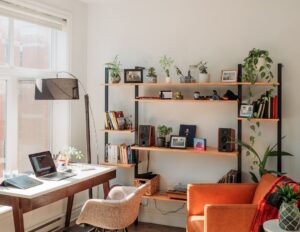
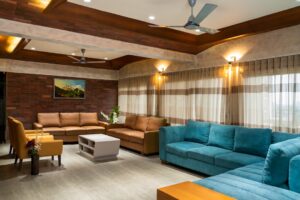
Minimalist design has experienced substantial growth in popularity across residential and commercial environments over the past decade. This design approach prioritizes simplicity, functional utility, and the elimination of excess elements. The methodology involves removing non-essential components to create environments where each item serves a specific function and contributes to spatial cohesion.
Research indicates that minimalist environments can reduce visual stress and promote psychological well-being by establishing organized, uncluttered spaces. The implementation of minimalist design principles does not require the elimination of aesthetic appeal or individual expression. The approach emphasizes selective curation, where occupants choose items based on personal significance and practical value.
This selection process creates intentional relationships between individuals and their physical environments. Key design elements include neutral color schemes, geometric simplicity in furniture and architectural features, and maximized open space utilization. These components work together to establish environments that support focus and reduce environmental distractions, enabling occupants to prioritize essential activities and relationships.
Key Takeaways
- Minimalist design enhances simplicity and functionality in living spaces.
- Natural elements and textures add warmth and visual interest.
- Statement lighting and functional furniture improve ambiance and usability.
- Balancing privacy with openness creates comfortable, versatile environments.
- Customizing decor and layout ensures the space reflects your personal lifestyle.
Incorporating Natural Elements
The integration of natural elements into interior design has become increasingly popular as people seek to reconnect with nature in their everyday lives. Incorporating materials such as wood, stone, and plants can create a warm and inviting atmosphere that promotes well-being. Natural elements not only enhance the aesthetic appeal of a space but also contribute to a healthier indoor environment by improving air quality and reducing stress levels.
In addition to traditional materials, biophilic design—an approach that seeks to connect people with nature—has gained momentum. This can be achieved through the use of large windows that frame outdoor views, living walls adorned with greenery, or even water features that evoke a sense of tranquility. By bringing the outdoors inside, individuals can create a harmonious balance between their living spaces and the natural world, fostering a sense of peace and grounding.
Playing with Textures and Patterns
Texture and pattern play a crucial role in adding depth and interest to any interior space. By layering different materials—such as soft textiles, rough woods, and sleek metals—designers can create a dynamic environment that engages the senses. The interplay of textures can evoke various emotions and set the tone for a room, making it essential to consider how these elements work together.
Patterns also serve as a powerful tool in interior design, allowing for personal expression and creativity. Whether through bold wallpaper, intricate rugs, or decorative cushions, patterns can inject personality into a space. However, it is important to strike a balance; too many competing patterns can lead to visual chaos.
By thoughtfully selecting patterns that complement one another and harmonize with the overall design scheme, individuals can achieve a cohesive look that feels both inviting and stylish.
Creating a Seamless Flow with Flooring
Flooring is often an overlooked aspect of interior design, yet it plays a vital role in establishing a seamless flow throughout a space. The choice of flooring material can significantly impact the overall aesthetic and functionality of an area. For instance, hardwood floors exude warmth and elegance, while polished concrete offers a modern industrial vibe.
By selecting flooring that aligns with the desired atmosphere, individuals can create a cohesive look that enhances the overall design. Moreover, continuity in flooring can help define different areas within an open-concept layout. Using the same material throughout various spaces can create an illusion of expansiveness, making rooms feel more connected.
Additionally, incorporating area rugs can delineate specific zones while adding comfort and style. This thoughtful approach to flooring not only enhances visual appeal but also contributes to the overall flow and functionality of the space.
Utilizing Statement Lighting
| Idea | Description | Benefits | Popular Materials | Estimated Space Needed (sq ft) |
|---|---|---|---|---|
| Multi-functional Furniture | Use furniture that serves multiple purposes, such as storage ottomans or sofa beds. | Maximizes space, adds storage, and enhances flexibility. | Wood, Upholstery, Metal | 150-250 |
| Seamless Flow Layout | Arrange furniture to create an unobstructed flow between living, dining, and kitchen areas. | Improves movement and social interaction. | Open shelving, Area rugs, Sectional sofas | 200-350 |
| Natural Light Maximization | Incorporate large windows and minimal window treatments to allow natural light. | Enhances mood and makes space feel larger. | Glass, Sheer curtains, Light-colored walls | Varies by room size |
| Defined Zones with Rugs | Use area rugs to visually separate different functional areas within the open space. | Creates organization without walls. | Wool, Cotton, Synthetic fibers | Varies by zone size |
| Minimalist Decor | Keep decor simple and uncluttered to maintain openness. | Prevents overcrowding and promotes calmness. | Neutral colors, Simple artwork, Sleek furniture | Not applicable |
Lighting is one of the most impactful elements in interior design, capable of transforming a space from ordinary to extraordinary. Statement lighting fixtures serve as focal points that draw the eye and add character to a room. Whether it’s an oversized chandelier in a dining area or unique pendant lights in a kitchen, these fixtures can elevate the overall design while providing essential illumination.
In addition to aesthetics, lighting also plays a functional role in creating ambiance. Layering different types of lighting—such as ambient, task, and accent—can enhance the mood of a space and cater to various activities. Dimmers can further allow for flexibility in lighting intensity, enabling individuals to adjust the atmosphere according to their needs.
By thoughtfully selecting statement lighting that complements the overall design scheme, individuals can create spaces that are both visually stunning and highly functional.
Using Functional Furniture
In today’s fast-paced world, functional furniture has become essential for maximizing space and enhancing everyday living. Pieces that serve multiple purposes—such as sofa beds, storage ottomans, or extendable dining tables—allow individuals to make the most of their environments without sacrificing style. This approach is particularly beneficial in smaller spaces where every square foot counts.
Moreover, functional furniture encourages organization and decluttering by providing designated storage solutions. Built-in shelves or cabinets can help keep items out of sight while maintaining an aesthetically pleasing environment. By prioritizing functionality in furniture selection, individuals can create spaces that are not only beautiful but also practical for their daily lives.
Adding Pops of Color
While neutral palettes are often favored in minimalist design, incorporating pops of color can breathe life into any space. Color has the power to evoke emotions and set the tone for a room; therefore, it is essential to choose hues that resonate with personal preferences and lifestyle. Whether through accent walls, vibrant artwork, or colorful accessories, strategic bursts of color can create visual interest and enhance the overall aesthetic.
Additionally, color can be used to define different areas within an open-concept layout or to highlight specific features in a room. For instance, painting an accent wall in a bold shade can draw attention to architectural details or create a cozy nook within a larger space. By thoughtfully integrating color into their designs, individuals can infuse their personalities into their homes while maintaining a cohesive look.
Balancing Privacy and Openness
In modern interior design, achieving a balance between privacy and openness is crucial for creating comfortable living environments. Open-concept layouts have gained popularity for their ability to foster connectivity and flow; however, they can sometimes compromise privacy in shared spaces. To address this challenge, designers often employ strategic zoning techniques that delineate areas while maintaining an open feel.
Using elements such as sliding doors, room dividers, or strategically placed furniture can help create private retreats within larger spaces without sacrificing light or openness. Additionally, incorporating sound-absorbing materials can enhance privacy by minimizing noise transfer between areas. By thoughtfully considering how to balance privacy and openness, individuals can create harmonious living environments that cater to both social interaction and personal retreat.
Maximizing Natural Light
Natural light is one of the most sought-after features in interior design due to its ability to enhance mood and create an inviting atmosphere. Maximizing natural light involves strategic planning during the design process to ensure that windows are positioned effectively and unobstructed by heavy drapery or bulky furniture. Large windows or glass doors not only allow sunlight to flood into spaces but also provide stunning views of the outdoors.
In addition to window placement, reflective surfaces such as mirrors or glossy finishes can amplify natural light by bouncing it around the room. Light-colored walls and furnishings further contribute to this effect by creating an airy feel. By prioritizing natural light in their designs, individuals can cultivate bright and uplifting environments that promote well-being.
Incorporating Art and Decor
Art and decor are essential components of interior design that allow individuals to express their unique tastes and personalities. Thoughtfully curated artwork can serve as focal points within a room while adding depth and character to the overall aesthetic. Whether it’s a large canvas painting or an eclectic gallery wall, art has the power to transform any space into a reflection of its inhabitants.
In addition to artwork, decorative elements such as sculptures, vases, or textiles can enhance visual interest and contribute to the overall theme of a room. Mixing different styles—such as contemporary pieces alongside vintage finds—can create an engaging dialogue within the space. By incorporating art and decor that resonates with them personally, individuals can create environments that feel authentic and inviting.
Customizing the Space to Fit Your Lifestyle
Ultimately, successful interior design is about creating spaces that cater to individual lifestyles and preferences. Customization allows for personalization at every level—from layout choices to color schemes—ensuring that each element aligns with how inhabitants live and interact within their homes. This approach fosters not only aesthetic appeal but also functionality tailored to specific needs.
For instance, families may prioritize open spaces for play while incorporating durable materials that withstand wear and tear. Conversely, individuals who work from home may require dedicated office areas designed for productivity. By taking into account lifestyle factors during the design process, individuals can create spaces that are not only visually appealing but also practical for their everyday lives.
In conclusion, embracing minimalist design while incorporating natural elements, textures, colors, and personalized touches allows individuals to create harmonious living environments tailored to their unique lifestyles. By prioritizing functionality alongside aesthetics—through thoughtful choices in furniture selection, lighting fixtures, flooring materials—and maximizing natural light through strategic planning—individuals can cultivate spaces that promote well-being while reflecting their personal style.
FAQs
What is an open concept living room?
An open concept living room is a design style where the living room is integrated with other areas such as the kitchen or dining room, creating a large, open space without walls or partitions.
What are the benefits of an open concept living room?
Benefits include improved natural light flow, enhanced social interaction, a spacious feel, and greater flexibility in furniture arrangement and decor.
How can I define different areas in an open concept living room?
You can use rugs, furniture placement, lighting, or partial dividers like shelving units or screens to visually separate different functional zones within the open space.
What furniture works best in an open concept living room?
Furniture that is versatile, appropriately scaled, and arranged to create distinct areas works best. Sectional sofas, area rugs, and multi-functional pieces are popular choices.
How do I maintain a cohesive look in an open concept living room?
Using a consistent color palette, complementary materials, and coordinated decor throughout the space helps maintain visual harmony and cohesion.
Are open concept living rooms suitable for small homes?
Yes, open concept layouts can make small homes feel larger and more airy by eliminating walls and maximizing usable space.
What are some challenges of open concept living rooms?
Challenges include managing noise levels, maintaining privacy, and organizing clutter since the space is shared and visible from multiple areas.
How can I add privacy in an open concept living room?
You can use room dividers, curtains, furniture arrangements, or plants to create semi-private areas without fully closing off the space.
Is open concept living suitable for families with children?
Yes, it allows parents to supervise children easily while cooking or doing other tasks, but it may require strategies to manage noise and clutter.
Can I incorporate traditional design elements in an open concept living room?
Absolutely. Traditional elements like classic furniture, moldings, and warm colors can be blended with open layouts to create a balanced and inviting space.