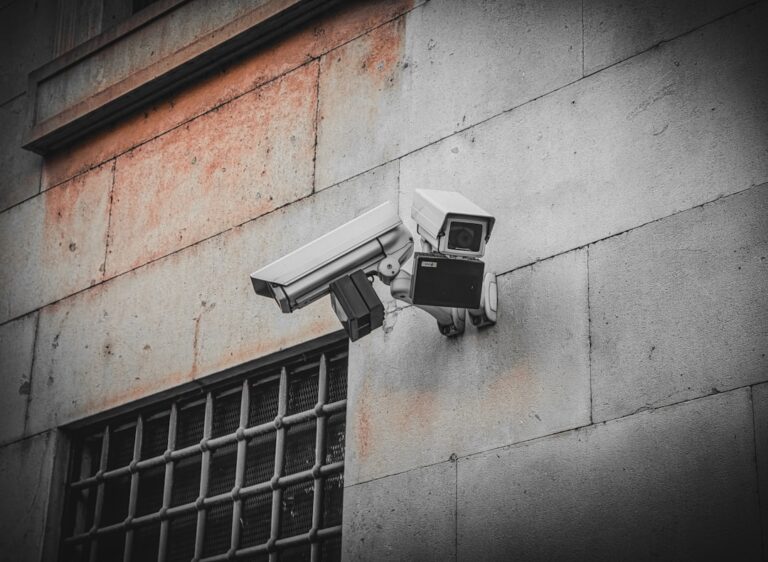
Home security systems provide protection against unauthorized entry and various household hazards. These systems typically include components such as surveillance cameras, alarm systems, and motion detectors that monitor residential properties for potential threats. Beyond deterring burglary attempts, modern security systems can detect fire, carbon monoxide leaks, and water damage, offering comprehensive monitoring capabilities.
The installation of home security systems can reduce homeowner anxiety regarding property safety and personal security. Research indicates that visible security measures, including cameras and alarm system signage, may discourage criminal activity in residential areas. Many systems now offer remote monitoring capabilities, allowing homeowners to receive real-time alerts and view their property remotely through smartphone applications or web interfaces.
Contemporary home security technology has evolved to include smart home integration, enabling automated responses to detected threats and seamless connectivity with other household systems. These advancements have made security systems more accessible and user-friendly while expanding their functionality beyond traditional intrusion detection.
Key Takeaways
- Home security systems are essential for protecting your property and loved ones.
- Key factors in choosing a system include features, monitoring options, and ease of installation.
- Installing a security system offers benefits like deterrence, remote monitoring, and emergency response.
- Integrating smart home technology enhances system functionality and user convenience.
- Staying informed about emerging trends helps you select innovative and effective security solutions.
Factors to Consider When Choosing a Home Security System
When selecting a home security system, several critical factors must be taken into account to ensure that the chosen solution meets the specific needs of the household. One of the primary considerations is the type of property being secured. For instance, a single-family home may require different security measures compared to an apartment or a townhouse.
Additionally, the layout and size of the property will influence the number and placement of security devices, such as cameras and sensors. Another important factor is the level of monitoring desired by the homeowner. Some individuals may prefer a self-monitored system that allows them to keep an eye on their property through smartphone apps, while others may opt for professional monitoring services that provide 24/7 surveillance and immediate response to alarms.
Budget constraints also play a significant role in decision-making; homeowners must weigh the costs of equipment, installation, and ongoing monitoring fees against their financial capabilities. Ultimately, understanding these factors will help homeowners make informed choices that enhance their security without compromising their financial stability.
Top-Rated Home Security Systems for 2021
As technology continues to evolve, numerous home security systems have emerged as top contenders in 2021. Among these, companies like ADT, Ring, and SimpliSafe have garnered significant attention for their innovative features and reliable performance. ADT, with its long-standing reputation in the industry, offers comprehensive packages that include professional installation and monitoring services.
Their systems are known for their advanced technology and extensive range of equipment options, making them suitable for various types of homes. On the other hand, Ring has gained popularity for its user-friendly approach and integration with smart home devices. Their video doorbells and security cameras allow homeowners to monitor their properties remotely while providing real-time alerts.
SimpliSafe stands out for its affordability and flexibility; it offers customizable packages that can be tailored to individual needs without requiring long-term contracts. Each of these systems has its unique strengths, catering to different preferences and budgets while ensuring robust protection for homes.
Benefits of Installing a Home Security System
The advantages of installing a home security system extend far beyond mere protection against theft. One of the most significant benefits is the deterrent effect that these systems have on potential criminals. Studies have shown that homes equipped with visible security measures are less likely to be targeted by burglars.
This proactive approach not only safeguards possessions but also enhances the overall safety of neighborhoods by discouraging criminal activity. Additionally, modern home security systems often come equipped with features that promote safety in various aspects of daily life. For example, many systems include smoke detectors and carbon monoxide alarms that can alert homeowners to hazardous situations before they escalate into emergencies.
Furthermore, some advanced systems offer smart home integration, allowing users to control lighting, thermostats, and locks remotely. This level of control not only enhances convenience but also contributes to energy efficiency and cost savings over time.
Comparison of Different Home Security System Features
| Brand | Overall Rating | Installation Type | Monitoring Options | Smart Home Integration | Mobile App Rating | Monthly Monitoring Fee | Key Features |
|---|---|---|---|---|---|---|---|
| SimpliSafe | 4.5/5 | DIY | Self & Professional | Alexa, Google Assistant | 4.7/5 | 15 | Wireless sensors, no contract, cellular backup |
| ADT | 4.2/5 | Professional | Professional | Alexa, Google Assistant, Apple HomeKit | 4.3/5 | 28 | 24/7 monitoring, video surveillance, home automation |
| Ring Alarm | 4.3/5 | DIY | Self & Professional | Alexa | 4.5/5 | 10 | Video doorbell integration, cellular backup, affordable |
| Vivint | 4.0/5 | Professional | Professional | Alexa, Google Assistant | 4.1/5 | 40 | Smart home automation, video monitoring, custom equipment |
| Abode | 4.1/5 | DIY | Self & Professional | Alexa, Google Assistant, Apple HomeKit | 4.4/5 | 20 | Flexible monitoring, no contract, smart home compatible |
When evaluating home security systems, it is essential to compare the various features they offer to determine which best suits individual needs. One key feature to consider is the type of sensors available. Motion detectors, door/window sensors, and glass break sensors each serve distinct purposes and can be combined for comprehensive coverage.
Homeowners should assess their property layout to identify which sensors will provide optimal protection. Another critical aspect is the quality of video surveillance offered by different systems. High-definition cameras with night vision capabilities can significantly enhance security by providing clear images in low-light conditions.
Additionally, features such as two-way audio allow homeowners to communicate with visitors or potential intruders through their cameras, adding an extra layer of interaction and deterrence. By carefully comparing these features, homeowners can select a system that aligns with their specific security requirements.
How to Install a Home Security System
Installing a home security system can be a straightforward process if approached methodically. For those opting for a DIY installation, it is crucial to begin by carefully reading the manufacturer’s instructions and ensuring all necessary tools are on hand. The first step typically involves selecting strategic locations for cameras and sensors to maximize coverage while minimizing blind spots.
Common areas include entry points such as doors and windows, as well as high-traffic zones within the home. Once the equipment is positioned correctly, homeowners can proceed with connecting devices to their Wi-Fi network and downloading any necessary apps for remote monitoring. Testing each component is essential to ensure proper functionality before finalizing the installation.
For those who prefer professional assistance, many companies offer installation services as part of their packages, providing peace of mind that everything is set up correctly and efficiently.
Home Security System Monitoring Options
Home security systems come with various monitoring options that cater to different preferences and lifestyles. The two primary types are self-monitoring and professional monitoring services. Self-monitoring allows homeowners to receive alerts directly on their smartphones or devices when an alarm is triggered or motion is detected.
This option provides flexibility and control but requires individuals to be vigilant in responding to alerts. Conversely, professional monitoring services offer round-the-clock surveillance by trained personnel who can respond immediately to emergencies. In the event of an alarm activation, these professionals can contact local authorities on behalf of the homeowner, ensuring swift action is taken when needed.
While professional monitoring typically incurs monthly fees, many homeowners find the added peace of mind worth the investment.
Tips for Maximizing the Effectiveness of Your Home Security System
To ensure that a home security system operates at peak effectiveness, homeowners should implement several best practices. Regular maintenance is crucial; this includes testing alarms and sensors periodically to confirm they are functioning correctly. Additionally, updating passwords and access codes regularly can help prevent unauthorized access to the system.
Another effective strategy is to create a comprehensive security plan that includes not only technology but also physical measures such as adequate lighting around entry points and maintaining clear sightlines by trimming landscaping. Engaging neighbors in community watch programs can further enhance security efforts by fostering vigilance within the neighborhood. By combining technology with proactive measures, homeowners can create a formidable defense against potential threats.
Common Myths and Misconceptions About Home Security Systems
Despite their growing popularity, several myths surrounding home security systems persist in public perception. One common misconception is that these systems are only necessary for affluent neighborhoods or high-crime areas. In reality, homes in seemingly safe communities can also be vulnerable to break-ins; thus, every homeowner should consider investing in security measures regardless of their location.
Another prevalent myth is that home security systems are overly complicated and difficult to operate. While some older models may have been cumbersome, advancements in technology have led to user-friendly interfaces that allow even those with minimal technical knowledge to navigate their systems easily. By dispelling these myths, homeowners can make more informed decisions about securing their properties.
Integrating Smart Home Technology with Your Home Security System
The integration of smart home technology with home security systems has revolutionized how individuals protect their properties. Smart devices such as smart locks, video doorbells, and connected lighting can work in tandem with traditional security measures to create a cohesive ecosystem that enhances overall safety. For instance, smart locks allow homeowners to grant temporary access to visitors or service personnel without needing physical keys.
Moreover, many modern security systems offer compatibility with voice-activated assistants like Amazon Alexa or Google Assistant, enabling users to control their security features through simple voice commands. This level of integration not only adds convenience but also allows for greater customization based on individual preferences and lifestyles.
The Future of Home Security Systems: Emerging Trends and Innovations
As technology continues to advance at an unprecedented pace, the future of home security systems looks promising with emerging trends and innovations on the horizon. One notable trend is the increasing use of artificial intelligence (AI) in surveillance systems. AI-powered cameras can analyze footage in real-time, distinguishing between familiar faces and potential intruders while reducing false alarms triggered by pets or environmental factors.
Additionally, advancements in cybersecurity are becoming paramount as more devices connect to the internet. Ensuring that home security systems are protected from hacking attempts will be crucial as reliance on digital technology grows. Furthermore, innovations such as biometric access controls—like fingerprint or facial recognition—are likely to become more prevalent in residential settings, offering enhanced security measures tailored to individual users.
In conclusion, home security systems play an essential role in safeguarding properties and providing peace of mind for homeowners. By understanding the importance of these systems and considering various factors when choosing one, individuals can make informed decisions that best suit their needs. As technology continues to evolve, so too will the capabilities of home security systems, ensuring that they remain effective tools in protecting homes against an ever-changing landscape of threats.
FAQs
What are home security systems?
Home security systems are electronic setups designed to protect a residence from intrusions, theft, and other emergencies. They typically include components such as alarms, sensors, cameras, and monitoring services.
What types of home security systems are available?
There are several types, including wired systems, wireless systems, monitored systems (professionally monitored), and unmonitored or self-monitored systems. Some systems also integrate smart home features.
How do home security system reviews help consumers?
Reviews provide insights into the performance, reliability, ease of installation, customer service, and pricing of different security systems, helping consumers make informed decisions.
Are professional monitoring services necessary for home security systems?
Professional monitoring services can provide 24/7 surveillance and emergency response, but some homeowners prefer self-monitoring to avoid monthly fees. The necessity depends on individual preferences and security needs.
Can home security systems be integrated with smart home devices?
Yes, many modern home security systems can be integrated with smart home devices such as smart locks, lights, thermostats, and voice assistants for enhanced control and automation.
What factors should be considered when choosing a home security system?
Key factors include the size of the property, type of monitoring, budget, ease of installation, system features, customer support, and compatibility with other smart devices.
Do home security systems require professional installation?
Some systems are designed for DIY installation, while others may require professional installation, especially wired systems or those with complex configurations.
How reliable are wireless home security systems?
Wireless systems are generally reliable and offer flexibility in installation. However, their performance can be affected by Wi-Fi connectivity and potential interference.
What is the average cost of a home security system?
Costs vary widely depending on the system type, features, and monitoring services. Basic DIY systems can start around $100, while professionally installed and monitored systems may cost several hundred dollars upfront plus monthly fees.
Can home security systems prevent burglaries?
While no system can guarantee complete prevention, home security systems act as a strong deterrent and can alert homeowners and authorities promptly, reducing the risk and impact of burglaries.