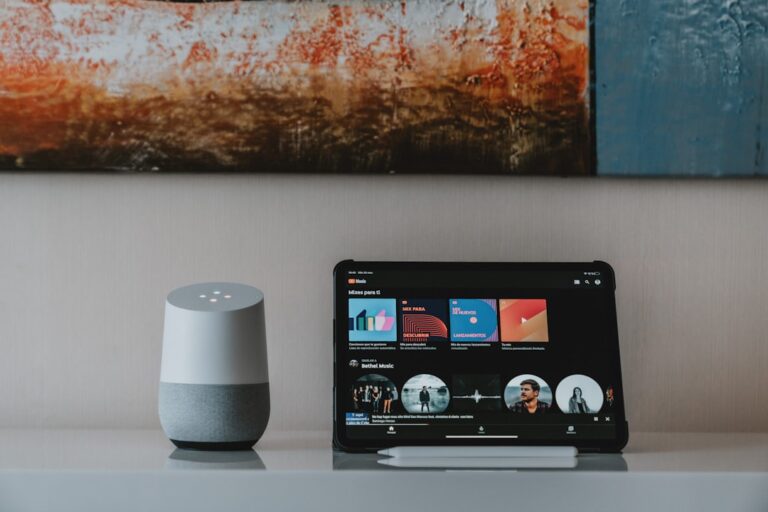
In recent years, the concept of smart homes has transitioned from a futuristic dream to a tangible reality. Smart home devices have become increasingly popular, offering homeowners a level of convenience, security, and efficiency that was once unimaginable. These devices, which can be controlled remotely via smartphones or voice commands, are designed to enhance the living experience by automating everyday tasks and providing real-time information.
As technology continues to evolve, the integration of smart devices into homes is not just a trend but a significant shift in how people interact with their living spaces. The rise of smart home technology has been fueled by advancements in the Internet of Things (IoT), which connects various devices to the internet, allowing them to communicate and work together seamlessly. From smart thermostats that learn user preferences to sophisticated security systems that monitor homes 24/7, the array of available devices is vast and varied.
This article will explore several key categories of smart home devices, highlighting their features and benefits while illustrating how they contribute to a more efficient and enjoyable living environment.
Key Takeaways
- Smart home devices enhance convenience, security, and energy efficiency in daily living.
- Smart thermostats and lighting allow precise control over home environment and ambiance.
- Security-focused devices like smart locks, cameras, and systems protect family and property.
- Voice assistants enable hands-free operation of various smart home functions.
- Smart appliances and entertainment systems simplify tasks and improve home entertainment experiences.
Smart Thermostats: Controlling Your Home’s Temperature
Smart thermostats represent one of the most impactful innovations in home automation, allowing homeowners to manage their heating and cooling systems with unprecedented ease. These devices learn from user behavior and preferences, adjusting temperatures automatically to optimize comfort while minimizing energy consumption. For instance, a smart thermostat can detect when residents are away from home and adjust the temperature accordingly, leading to significant savings on energy bills over time.
This intelligent functionality not only enhances comfort but also promotes environmental sustainability by reducing energy waste. Moreover, many smart thermostats come equipped with user-friendly mobile applications that provide real-time data on energy usage and temperature settings. Homeowners can monitor their systems remotely, making adjustments as needed from anywhere in the world.
Some models even offer integration with weather forecasts, allowing them to preemptively adjust settings based on predicted temperature changes. This level of control and insight empowers users to make informed decisions about their home’s climate, ultimately leading to a more comfortable and energy-efficient living space.
Home Security Systems: Protecting Your Family and Property
Home security systems have undergone a remarkable transformation with the advent of smart technology. Traditional security measures, such as locks and alarms, have been enhanced with features that provide homeowners with greater peace of mind. Smart security systems often include a combination of cameras, motion detectors, door sensors, and alarms that can be monitored and controlled remotely through a smartphone app.
This integration allows homeowners to keep an eye on their property in real-time, receiving instant alerts if any unusual activity is detected. In addition to real-time monitoring, many smart security systems offer advanced features such as facial recognition and two-way audio communication. This means that homeowners can not only see who is at their door but also communicate with visitors without having to open it.
Furthermore, these systems can be programmed to work in conjunction with other smart devices in the home, such as smart lights that can be set to turn on automatically when motion is detected. This comprehensive approach to security not only protects property but also enhances the overall safety of families.
Smart Lighting: Creating the Perfect Ambiance
Smart lighting has revolutionized the way homeowners illuminate their spaces, offering unparalleled flexibility and control over lighting conditions. With smart bulbs and fixtures, users can adjust brightness levels, change colors, and set schedules—all from their smartphones or through voice commands. This capability allows for the creation of customized lighting scenes that can enhance mood or adapt to different activities, whether it’s hosting a dinner party or winding down for the evening.
Additionally, smart lighting systems can be integrated with other smart home devices for added convenience. For example, lights can be programmed to turn on automatically when someone enters a room or dim gradually as bedtime approaches. This level of automation not only enhances comfort but also contributes to energy efficiency by ensuring that lights are only used when needed.
As homeowners embrace these innovative lighting solutions, they find themselves able to create the perfect ambiance for any occasion with just a few taps on their devices.
Voice Assistants: Making Your Home Hands-Free
| Device | Category | Key Features | Compatibility | Rating (out of 5) |
|---|---|---|---|---|
| Amazon Echo Dot (5th Gen) | Smart Speaker | Voice control, Alexa, Compact design, Improved sound | Alexa, iOS, Android | 4.7 |
| Google Nest Hub (2nd Gen) | Smart Display | Voice assistant, Touchscreen, Sleep tracking, Smart home control | Google Assistant, iOS, Android | 4.6 |
| Philips Hue White & Color Bulb | Smart Lighting | 16 million colors, Voice control, Scheduling, Energy efficient | Alexa, Google Assistant, Apple HomeKit | 4.8 |
| Ring Video Doorbell Pro 2 | Security Camera | HD video, Motion detection, Two-way talk, Night vision | Alexa, iOS, Android | 4.5 |
| Ecobee SmartThermostat | Smart Thermostat | Voice control, Room sensors, Energy reports, Alexa built-in | Alexa, Google Assistant, Apple HomeKit | 4.6 |
| August Wi-Fi Smart Lock | Smart Lock | Keyless entry, Remote access, Auto-lock, DoorSense technology | Alexa, Google Assistant, Apple HomeKit | 4.4 |
Voice assistants have become an integral part of many smart homes, providing users with a hands-free way to control various devices and access information. These AI-powered assistants can perform a wide range of tasks, from playing music and setting reminders to controlling smart home devices like thermostats and lights. By simply using voice commands, homeowners can streamline their daily routines and enhance their overall living experience.
The convenience offered by voice assistants extends beyond mere control; they also serve as central hubs for managing multiple smart devices. For instance, users can create routines that automate several actions at once—such as turning off all lights and locking doors with a single command at bedtime. This level of integration simplifies home management and allows for a more cohesive smart home experience.
As voice technology continues to advance, its role in home automation is likely to expand even further, making everyday tasks even more effortless.
Smart Locks: Enhancing Home Security and Convenience
Smart locks are another essential component of modern home security systems, offering both enhanced protection and convenience for homeowners. Unlike traditional locks that require physical keys, smart locks can be operated via smartphones or keypads, allowing users to unlock doors remotely or grant access to guests without needing to be physically present. This feature is particularly useful for those who frequently host visitors or have service personnel entering their homes.
Moreover, many smart locks come equipped with advanced security features such as temporary access codes and activity logs. Homeowners can create unique codes for family members or guests that expire after a certain period, ensuring that access is controlled and monitored. Additionally, activity logs provide insights into who has entered or exited the home and when, adding an extra layer of security.
With these capabilities, smart locks not only enhance convenience but also provide peace of mind for families concerned about safety.
Smart Cameras: Keeping an Eye on Your Home
Smart cameras have become an indispensable tool for homeowners looking to enhance their security measures. These devices allow for real-time video monitoring of both the interior and exterior of homes, providing users with the ability to keep an eye on their property from anywhere in the world. Many models feature high-definition video quality, night vision capabilities, and motion detection alerts that notify homeowners of any unusual activity.
In addition to traditional surveillance functions, some smart cameras offer advanced features such as facial recognition technology and cloud storage options for recorded footage. This means that homeowners can not only monitor live feeds but also review past events if needed. Furthermore, integration with other smart home devices allows for automated responses; for example, if a camera detects motion at night, it could trigger outdoor lights to turn on automatically.
This comprehensive approach to home monitoring ensures that families feel secure while enjoying the convenience of modern technology.
Smart Plugs and Outlets: Controlling Your Devices Remotely
Smart plugs and outlets are simple yet powerful additions to any smart home setup. These devices allow homeowners to control standard appliances remotely through their smartphones or voice assistants. By plugging an appliance into a smart plug, users can turn it on or off from anywhere, schedule operation times, or even monitor energy usage—all without needing to be physically present.
The versatility of smart plugs extends beyond mere convenience; they also contribute to energy efficiency by enabling users to manage power consumption more effectively. For instance, homeowners can set schedules for appliances like coffee makers or lamps to ensure they only operate when needed. Additionally, some smart plugs provide insights into energy usage patterns over time, helping users identify opportunities for further savings.
As more people seek ways to reduce their carbon footprint and lower utility bills, smart plugs offer an accessible solution that enhances both convenience and sustainability.
Smart Appliances: Making Daily Tasks Easier
The advent of smart appliances has transformed everyday household tasks into streamlined processes that require minimal effort from users. From refrigerators that can track inventory and suggest recipes based on available ingredients to washing machines that can be controlled remotely via smartphone apps, these appliances are designed to make life easier and more efficient. By integrating advanced technology into everyday items, manufacturers have created solutions that cater to modern lifestyles.
One notable benefit of smart appliances is their ability to communicate with one another within a connected ecosystem. For example, a smart oven can receive cooking instructions from a smartphone app while coordinating with a smart refrigerator that provides updates on ingredient availability. This level of integration not only simplifies meal preparation but also enhances overall kitchen efficiency.
As consumers increasingly prioritize convenience in their daily lives, the demand for smart appliances continues to grow.
Smart Entertainment Systems: Bringing Entertainment to Your Fingertips
Smart entertainment systems have revolutionized how people consume media in their homes. With the ability to stream content from various platforms directly through connected devices like smart TVs or sound systems, users can enjoy their favorite shows and music with ease. These systems often come equipped with voice control capabilities, allowing users to search for content or adjust settings without needing a remote control.
Additionally, many smart entertainment systems offer multi-room audio capabilities, enabling users to enjoy synchronized music throughout their homes or different audio experiences in separate rooms. This flexibility allows for personalized entertainment options tailored to individual preferences or occasions—whether hosting a party or enjoying a quiet evening at home. As technology continues to advance, the integration of entertainment systems into the broader smart home ecosystem will likely become even more seamless.
Embracing the Future of Home Automation
As technology continues its rapid evolution, the future of home automation looks promising and exciting. The integration of smart devices into everyday life has transformed how people interact with their homes—enhancing convenience, security, and efficiency in ways previously thought impossible. From controlling temperature with smart thermostats to monitoring security through advanced camera systems, these innovations empower homeowners to take charge of their living environments like never before.
Embracing smart home technology not only simplifies daily tasks but also fosters a sense of control over one’s living space. As more individuals recognize the benefits of automation—ranging from energy savings to enhanced security—the adoption of these technologies is expected to grow exponentially in the coming years. Ultimately, the journey toward a fully automated home represents not just an upgrade in technology but a fundamental shift in how people experience comfort and safety within their own walls.
FAQs
What are smart home devices?
Smart home devices are electronic gadgets that connect to the internet and can be controlled remotely via smartphones, tablets, or voice assistants. They automate and enhance various household functions such as lighting, security, climate control, and entertainment.
What are the benefits of using smart home devices?
Smart home devices offer convenience, energy efficiency, improved security, and enhanced comfort. They allow users to control home systems remotely, automate routine tasks, monitor home conditions, and reduce energy consumption.
Are smart home devices compatible with each other?
Compatibility depends on the brand and communication protocols used. Many smart home devices support common standards like Wi-Fi, Zigbee, or Z-Wave, and can be integrated through platforms like Amazon Alexa, Google Assistant, or Apple HomeKit for seamless control.
Do smart home devices require a hub?
Some smart home devices operate independently via Wi-Fi, while others require a central hub to connect and communicate with other devices. The need for a hub depends on the device type and ecosystem.
Is it safe to use smart home devices?
When properly secured with strong passwords, updated firmware, and secure networks, smart home devices are generally safe. However, users should be aware of potential privacy and security risks and follow best practices to protect their devices.
Can smart home devices save energy?
Yes, many smart home devices like thermostats, lighting systems, and plugs are designed to optimize energy use by adjusting settings based on occupancy, time of day, or user preferences, leading to potential energy savings.
What are some popular types of smart home devices?
Popular smart home devices include smart speakers, thermostats, security cameras, smart locks, lighting systems, smoke detectors, and smart plugs.
Do smart home devices work without internet?
Some smart home devices have limited functionality without internet, especially those relying on cloud services. However, devices connected via local networks or hubs may still operate basic functions offline.
How do I choose the best smart home devices?
Consider factors such as compatibility with existing devices, ease of use, security features, brand reputation, and specific needs like security, energy management, or entertainment when selecting smart home devices.
Can smart home devices increase home value?
Smart home devices can enhance home appeal and convenience, potentially increasing property value. However, the impact varies depending on the devices installed and buyer preferences.