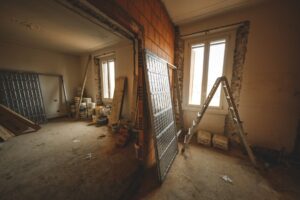
Homeownership represents a significant financial commitment that extends beyond the initial purchase price and monthly mortgage payments. Property maintenance constitutes a substantial ongoing expense that homeowners must account for throughout their ownership period. These costs fluctuate based on several factors including property age, geographic location, construction materials, and local climate conditions.
Maintenance expenses fall into two primary categories: routine preventive care and unexpected repairs. Routine maintenance includes activities such as HVAC system servicing, gutter cleaning, exterior painting, and landscaping. Major repairs encompass structural issues, roofing replacement, plumbing system failures, and electrical upgrades.
Industry data indicates that homeowners typically spend 1-3% of their home’s value annually on maintenance and repairs. Home maintenance costs exhibit both predictable and unpredictable patterns. Scheduled maintenance items like annual HVAC inspections and seasonal yard care can be incorporated into household budgets.
However, emergency repairs such as water heater failures, storm damage, or foundation issues occur without warning and can create immediate financial pressure. Deferred maintenance often compounds problems, resulting in exponentially higher repair costs and potential safety hazards. Establishing a comprehensive maintenance strategy and emergency fund helps homeowners manage these financial obligations while preserving property value and ensuring safe living conditions.
Key Takeaways
- Budgeting for home maintenance is essential to avoid unexpected expenses and preserve property value.
- Annual home maintenance costs typically include repairs, inspections, and routine upkeep.
- Factors such as home age, location, and climate significantly influence maintenance expenses.
- Regular inspections and timely maintenance help prevent costly repairs in the long run.
- Establishing an emergency fund and planning for major repairs ensures financial readiness for unexpected issues.
Understanding the Importance of Budgeting for Home Maintenance
Budgeting for home maintenance is not merely a suggestion; it is a necessity for responsible homeowners. A well-structured budget allows individuals to allocate funds specifically for maintenance tasks, ensuring that they are prepared for both routine upkeep and unexpected repairs. By setting aside a portion of their income or savings each month, homeowners can create a financial cushion that will help them address maintenance needs as they arise without causing undue stress on their finances.
Moreover, budgeting for home maintenance fosters a sense of ownership and responsibility. Homeowners who actively engage in planning for these costs are more likely to stay on top of necessary repairs and upkeep, which can ultimately prolong the life of their home and enhance its value. This proactive approach not only protects their investment but also contributes to a more enjoyable living experience, as a well-maintained home is often more comfortable and aesthetically pleasing.
Typical Components of Annual Home Maintenance Costs
Annual home maintenance costs can be broken down into several typical components that homeowners should be aware of. These components often include routine tasks such as lawn care, seasonal cleaning, and minor repairs. For instance, maintaining a healthy lawn may require regular mowing, fertilization, and pest control, all of which contribute to the overall aesthetic and value of the property.
Additionally, seasonal cleaning tasks like gutter cleaning or power washing can prevent more significant issues from developing later on. In addition to routine maintenance, homeowners should also consider budgeting for larger projects that may arise over time. These could include painting the exterior of the house, replacing worn-out appliances, or addressing plumbing issues.
By anticipating these costs and incorporating them into their annual budget, homeowners can avoid being caught off guard by unexpected expenses that could disrupt their financial stability.
Factors Affecting Home Maintenance Costs
Several factors influence the overall cost of home maintenance, making it essential for homeowners to understand their unique circumstances. One significant factor is the age of the home; older homes often require more frequent repairs and updates due to wear and tear over time. For example, an older roof may need replacement sooner than a newer one, leading to higher maintenance costs.
Additionally, older plumbing systems may be more prone to leaks or clogs, necessitating more frequent attention. Location also plays a critical role in determining maintenance costs. Homes situated in areas with harsh weather conditions may experience more wear and tear than those in milder climates.
For instance, homes in regions prone to heavy snowfall may require additional maintenance for roofs and gutters to prevent ice dams. Furthermore, local labor rates and material costs can vary significantly from one region to another, impacting the overall expense of home maintenance.
Ways to Reduce Home Maintenance Costs
| Home Size (sq ft) | Average Maintenance Cost per Year | Percentage of Home Value | Common Maintenance Items |
|---|---|---|---|
| 1000 | 1200 | 1.2% | HVAC servicing, plumbing repairs, roof inspection |
| 1500 | 1800 | 1.1% | Painting, gutter cleaning, appliance maintenance |
| 2000 | 2400 | 1.0% | Landscaping, pest control, electrical system check |
| 2500 | 3000 | 0.9% | Roof repairs, window sealing, foundation inspection |
| 3000 | 3600 | 0.8% | Exterior cleaning, HVAC replacement, deck maintenance |
Homeowners looking to reduce their maintenance costs have several strategies at their disposal. One effective approach is to perform regular preventative maintenance tasks that can help identify potential issues before they escalate into costly repairs. For example, regularly inspecting the roof for missing shingles or checking for leaks in plumbing can save homeowners significant amounts in repair costs down the line.
Another way to cut costs is by taking on DIY projects when feasible. Many homeowners possess skills that allow them to tackle minor repairs or maintenance tasks themselves, such as painting or landscaping. By doing so, they can save on labor costs while also gaining a sense of accomplishment from completing projects independently.
However, it is crucial to recognize one’s limitations; attempting complex repairs without adequate knowledge can lead to further damage and increased expenses.
Importance of Regular Home Inspections and Maintenance
Regular home inspections are vital for maintaining a safe and functional living environment. These inspections allow homeowners to identify potential problems early on, which can prevent minor issues from developing into major repairs. For instance, a routine inspection may reveal signs of water damage or pest infestations that require immediate attention.
By addressing these concerns promptly, homeowners can save themselves from costly repairs in the future. In addition to inspections, establishing a regular maintenance schedule is equally important. This schedule should include seasonal tasks such as changing air filters, cleaning gutters, and servicing heating and cooling systems.
By adhering to this schedule, homeowners can ensure that their property remains in good condition while also extending the lifespan of various systems and components within the home.
Budgeting Tips for Home Maintenance Costs
Creating an effective budget for home maintenance requires careful planning and consideration. One useful tip is to estimate annual maintenance costs based on a percentage of the home’s value; many experts recommend setting aside 1% to 3% of the home’s value each year for maintenance expenses. This approach provides a solid foundation for budgeting while allowing homeowners to adjust their savings based on their specific needs.
Additionally, homeowners should keep track of their actual expenses throughout the year to refine their budgeting process over time. By maintaining detailed records of past maintenance costs, they can identify trends and adjust their budgets accordingly. This practice not only helps in planning for future expenses but also encourages accountability in managing home maintenance finances.
Common Home Maintenance Expenses and How to Plan for Them
Homeowners should familiarize themselves with common maintenance expenses that are likely to arise throughout the year. These expenses often include HVAC servicing, plumbing repairs, electrical work, and exterior maintenance such as painting or siding replacement. By understanding these typical costs, homeowners can better prepare themselves financially.
Planning for these expenses involves creating a detailed list of anticipated maintenance tasks along with estimated costs associated with each task. For example, if a homeowner knows that their roof will need replacement within the next few years, they should start saving specifically for that expense now rather than waiting until it becomes urgent. This proactive approach not only alleviates financial stress but also ensures that necessary repairs are completed promptly.
Long-term Planning for Major Home Repairs and Renovations
Long-term planning is essential when it comes to major home repairs and renovations. Homeowners should take into account the lifespan of various components within their homes—such as roofs, HVAC systems, and appliances—and plan accordingly for replacements or upgrades as needed. By understanding when these major expenses are likely to occur, homeowners can allocate funds over time rather than facing sudden financial burdens.
Additionally, considering potential renovations that could enhance the home’s value is an important aspect of long-term planning. Homeowners may wish to invest in energy-efficient upgrades or modernize outdated spaces to improve both functionality and aesthetics. By budgeting for these renovations in advance, they can ensure that they are financially prepared when the time comes to make these improvements.
Importance of Emergency Fund for Unexpected Home Maintenance Costs
An emergency fund dedicated specifically to unexpected home maintenance costs is an invaluable resource for homeowners. This fund acts as a financial safety net that allows individuals to address urgent repairs without derailing their overall budget or incurring debt. Whether it’s a sudden plumbing leak or an unexpected roof repair after a storm, having an emergency fund ensures that homeowners can respond quickly without added stress.
Establishing this fund requires discipline and foresight; homeowners should aim to save at least three to six months’ worth of estimated maintenance expenses in this account. By doing so, they will be better equipped to handle unforeseen circumstances while maintaining peace of mind regarding their financial situation.
The Value of Investing in Home Maintenance
Investing in home maintenance is not merely an expense; it is an investment in the longevity and value of one’s property. By understanding the various components of home maintenance costs and budgeting effectively, homeowners can protect their investments while ensuring a safe and comfortable living environment. Regular inspections, preventative measures, and long-term planning all contribute to minimizing unexpected expenses and enhancing overall satisfaction with one’s home.
Ultimately, prioritizing home maintenance fosters a sense of pride in ownership while safeguarding against potential pitfalls associated with neglecting necessary upkeep. As such, homeowners who view maintenance as an essential part of their responsibilities will reap the rewards in both financial stability and quality of life within their homes.
FAQs
What is the average home maintenance cost per year?
The average home maintenance cost per year typically ranges from 1% to 4% of the home’s purchase price. For example, if a home is valued at $300,000, annual maintenance costs might be between $3,000 and $12,000.
What factors influence the annual home maintenance cost?
Several factors affect home maintenance costs, including the age and condition of the home, the size of the property, local climate, the quality of materials used, and the homeowner’s maintenance habits.
Does the age of the home affect maintenance costs?
Yes, older homes generally require more frequent repairs and updates, which can increase maintenance costs. Newer homes may have lower maintenance expenses initially but can still incur costs as systems and materials age.
What types of maintenance are included in the average cost?
Typical maintenance costs include repairs to HVAC systems, plumbing, electrical systems, roofing, painting, landscaping, pest control, and routine inspections or servicing of appliances and structural components.
How can homeowners budget for annual maintenance costs?
Homeowners can budget by setting aside a percentage of their home’s value each year (commonly 1% to 4%) or by estimating monthly savings based on anticipated repairs and upkeep. Regular inspections can also help identify issues early and reduce unexpected expenses.
Are there ways to reduce home maintenance costs?
Yes, regular preventive maintenance, timely repairs, using durable materials, and hiring qualified professionals can help reduce overall maintenance costs. Additionally, energy-efficient upgrades may lower utility bills and maintenance needs.
Is home maintenance cost the same in all regions?
No, maintenance costs vary by region due to differences in climate, labor costs, material availability, and local regulations. Homes in areas with harsh weather conditions may require more frequent repairs.
Should home maintenance costs be considered when buying a house?
Absolutely. Understanding potential maintenance costs helps buyers budget appropriately and avoid unexpected financial burdens after purchase. It’s advisable to have a home inspection to assess likely maintenance needs.