The best replacement windows for energy efficiency, including double- and triple-pane glass, Low-E coatings, Energy Star models and vinyl and fiberglass frames.
Wednesday, November 18, 2026
Home improvement · Real estate · Life around the house

Home improvement · Real estate · Life around the house
The best replacement windows for energy efficiency, including double- and triple-pane glass, Low-E coatings, Energy Star models and vinyl and fiberglass frames.
 Mai
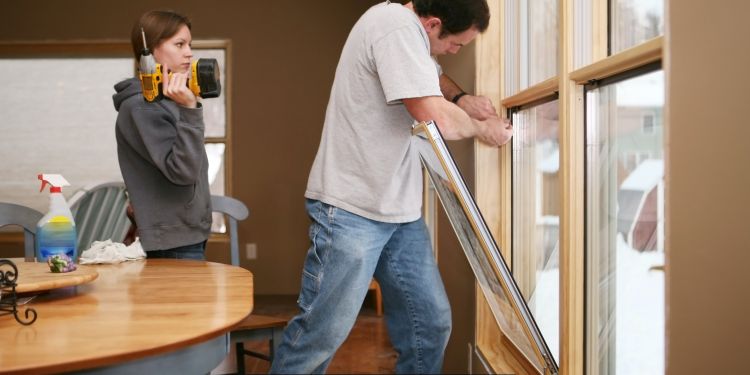
Table of Contents
ToggleWhen it comes to home improvement, upgrading your windows is one of the most effective ways to enhance energy efficiency. Old or inefficient windows can lead to significant heat loss in winter and excessive heat gain in summer, increasing energy costs. If you’re considering window replacement, here are the best options to boost your home’s energy efficiency.
Double-pane windows feature two layers of glass with an insulating gas, such as argon or krypton, in between. Triple-pane windows take it a step further with three layers of glass, providing even greater insulation and noise reduction. Both options help maintain indoor temperatures, reducing the need for heating and cooling.
Low-E glass has a special coating that reflects infrared and ultraviolet (UV) light while allowing natural light to pass through. This helps to keep your home warmer in winter and cooler in summer. It also protects furniture and flooring from UV damage, reducing fading over time.
Windows that carry the Energy Star certification meet strict efficiency guidelines set by the U.S. Environmental Protection Agency (EPA). These windows have advanced features like multiple panes, gas fills, and superior frame materials that help lower energy consumption and utility bills.
Vinyl windows are a budget-friendly yet energy-efficient choice. They provide excellent insulation, require minimal maintenance, and resist moisture, making them a durable option. Modern vinyl windows also come with high-performance glazing options to enhance efficiency.
Fiberglass windows are known for their strength and thermal performance. They have a low thermal expansion rate, meaning they won’t warp or crack with temperature changes. Fiberglass frames can also be filled with insulation for added efficiency.
Made from a blend of materials, including wood fibers and thermoplastic polymers, composite windows offer the beauty of wood with the durability of synthetic materials. They provide superior insulation and are resistant to moisture, warping, and rotting.
Wood-clad windows combine a wood interior with an exterior layer of vinyl, aluminum, or fiberglass for added protection. They offer excellent insulation while maintaining a traditional, elegant appearance. Proper maintenance is required to prevent moisture-related damage.
To improve insulation, many energy-efficient windows are filled with argon or krypton gas between the panes. These inert gases reduce heat transfer, helping to maintain a consistent indoor temperature and lower energy bills.
Emerging technology has introduced smart windows, which use electrochromic or thermochromic coatings to automatically adjust their tint based on sunlight and temperature. These windows help regulate indoor temperatures and reduce glare, enhancing comfort and energy savings.
When selecting new windows, consider your climate, budget, and home aesthetics. Look for the U-factor (measuring insulation) and Solar Heat Gain Coefficient (SHGC) (indicating solar radiation absorption). The lower these values, the more efficient the window.
Replacing old windows with energy-efficient options is a smart investment that can lower energy bills, increase comfort, and boost property value. Whether you opt for double-pane glass, Energy Star-certified models, or smart technology, the right choice will make a noticeable difference in your home’s efficiency and sustainability.

Mai is Candy Bird's go-to writer for everything around the house, from repairs and DIY fixes to smart storage, energy-saving upgrades and buying or selling a home. Her advice is practical, easy to follow and comes with a touch of humor, whether you're a first-time homeowner or a seasoned DIYer.
More from this writer →
Five minutes, every weekend. Free.

Practical guides for the place you live: fixing it up, decorating it, keeping it running, and buying, selling or renting it.
© 2026 Candy Bird. All rights reserved.
Candy Bird is ad-supported. Our guides are general information, not professional, legal or financial advice: check with a licensed contractor, agent or lender before big decisions.