In this guide, we’ll walk you through everything you need to know about how to ice fish for panfish, from gear and techniques to tips for success.
Tuesday, November 17, 2026
Home improvement · Real estate · Life around the house

Home improvement · Real estate · Life around the house
In this guide, we’ll walk you through everything you need to know about how to ice fish for panfish, from gear and techniques to tips for success.
 Mai
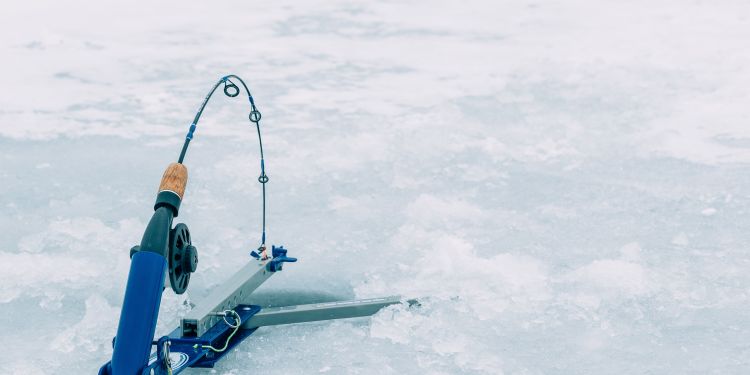
Table of Contents
ToggleIce fishing is a thrilling winter activity that combines the serenity of nature with the excitement of catching fish. Among the most popular species to target through the ice are panfish, including bluegill, crappie, and perch. These fish are not only abundant but also relatively easy to catch, making them perfect for beginners. In this guide, we’ll walk you through everything you need to know about how to ice fish for panfish, from gear and techniques to tips for success.
Panfish are a favorite among ice anglers for several reasons:
Before heading out on the ice, you’ll need the right equipment. Here’s a breakdown of the essentials:
An ice auger is used to drill holes through the ice. For panfish, a 4-6 inch diameter hole is sufficient. Hand augers are affordable and lightweight, while gas or electric augers save time and effort.
Choose an ultralight or light-action ice fishing rod, around 24-30 inches long. Pair it with a small spinning reel spooled with 2-4 lb test monofilament or fluorocarbon line for sensitivity.
Panfish have small mouths, so use tiny jigs and lures. Popular options include:
While not mandatory, an ice shelter or portable shanty can protect you from the wind and cold. A small propane heater adds comfort during long hours on the ice.
A scoop is essential for removing slush and ice shavings from your fishing hole.
A depth finder or flasher helps locate fish and determine the depth at which they’re suspended.
Safety should always come first. Bring ice picks, a life jacket, and check ice thickness (at least 4 inches of clear ice is recommended for walking).
Finding panfish is the key to a successful ice fishing trip. Here’s how to locate them:
Once you’ve located the fish, it’s time to start fishing. Here are some proven techniques:
Jigging is the most popular method for catching panfish. Use a small jig tipped with live bait or a soft plastic. Gently bounce the jig up and down to mimic the movement of prey. Pay attention to subtle bites, as panfish often nibble lightly.
Deadsticking involves letting your bait sit motionless in the water. This technique works well for crappie, which are known to suspend in the water column. Use a small jig or hook with a minnow or wax worm.
Tip-ups are a great way to cover more area. Set up a tip-up with a small hook and live bait, and wait for the flag to signal a bite.
On clear ice and in shallow water, you can often see panfish below. Use a small jig and experiment with different colors and movements to entice them.
Once you’ve caught your limit, it’s time to enjoy the fruits of your labor. Panfish are easy to clean and cook:
Ice fishing for panfish is a rewarding winter activity that’s perfect for anglers of all skill levels. With the right gear, techniques, and a bit of patience, you’ll be well on your way to catching bluegill, crappie, and perch through the ice. Remember to prioritize safety, stay warm, and enjoy the unique experience of ice fishing. Tight lines and happy fishing!

Mai is Candy Bird's go-to writer for everything around the house, from repairs and DIY fixes to smart storage, energy-saving upgrades and buying or selling a home. Her advice is practical, easy to follow and comes with a touch of humor, whether you're a first-time homeowner or a seasoned DIYer.
More from this writer →
Five minutes, every weekend. Free.

Practical guides for the place you live: fixing it up, decorating it, keeping it running, and buying, selling or renting it.
© 2026 Candy Bird. All rights reserved.
Candy Bird is ad-supported. Our guides are general information, not professional, legal or financial advice: check with a licensed contractor, agent or lender before big decisions.