Home insurance bills have climbed much faster than the money insurers pay back in claims, a new report says. According to an analysis released on Thursday, November 19, 2026, by Americans for Financial Reform Education Fund, Public Citizen and the Revolving Door Project, U.S. home insurers collected 59% more in premiums in 2025 than in 2021 (about $181 billion, up from $114 billion), while claims payouts rose only 28%. In 2025, insurers paid out about 55 cents in claims for every premium dollar, down from 69 cents in 2021.
The report comes from consumer advocacy groups, and insurers point to a very different picture: years of underwriting losses before 2025. Here’s what the numbers say, what they leave out and what you can do about your own policy before your next renewal.
What the new home insurance report found
The report, titled “Home Insurers Are Ripping People Off Amid the Climate Crisis”, is based on National Association of Insurance Commissioners (NAIC) data for 2021 through 2025. Its fact sheet lists these key findings:
- Premiums grew twice as fast as claims. Premium revenue rose 59%, from $114 billion in 2021 to $181 billion in 2025. Claims payouts rose 28%.
- Loss ratios fell. The share of premiums paid out as claims dropped from 69% in 2021 to 55% in 2025. The authors note loss ratios averaged 74% in the 1990s.
- Many claims went unpaid or were slow. About 30% of claims were closed without payment, and 22% of the claims that were paid took longer than 60 days.
- $113 billion in “excess” income. The groups estimate that if regulators had required insurers to pay out at least 80% of premiums as claims (similar to the federal rule for health insurers), underwriting income would have been about $113 billion lower over the five years.
Texas and Florida showed the biggest gaps
The report singles out several states with very low loss ratios. As Inman summarized, Texas premiums rose 78% (from $11.2 billion to $20 billion) while claims payouts fell 23%. In Florida, premiums rose 64% to $18.7 billion while payouts fell 67%, and the statewide industry loss ratio was just 11% in 2025, according to the fact sheet.
The groups also looked at individual insurers in Texas, Iowa, Idaho, Maine and Florida. For example, they say the largest Liberty Mutual group home insurer in Texas had a cumulative 144% statewide average rate increase approved from 2021 through 2025, and that Florida’s state-run Citizens Property Insurance had a 30% increase approved over the same period.
The other side: insurers say they were catching up after years of losses
The loss ratio is only part of an insurer’s costs. It doesn’t include agent commissions, administration, reinsurance and other expenses, so a 55% loss ratio doesn’t mean insurers kept 45 cents of every dollar as profit. The report’s “excess” figure is the authors’ estimate based on an 80% benchmark the industry doesn’t currently have to meet.
Industry data also shows how recent the turnaround is. Ratings firm AM Best reported that homeowners insurers posted a $16.5 billion underwriting profit in 2025, the line’s first underwriting gain since 2019, after a $1.3 billion loss in 2024. Seven of the eight years from 2017 to 2024 were underwriting losses. AM Best credited higher rates that better match risk, a relatively calm 2025 hurricane season, cheaper reinsurance and reserve releases tied partly to Florida’s lawsuit reforms.
Either way, homeowners felt it. The OECD found U.S. home insurance premiums rose 8.2% in 2025, nearly four times the 2.1% median across 27 member countries, Insurance Business reported. The good news is that rate increases are slowing: AM Best says the average approved rate increase fell from 13.5% in 2024 to 7.6% in 2025 and 4.3% in the first half of 2026.
Why this matters for your home insurance bill
The report doesn’t change your premium on its own. Its authors are asking state regulators and lawmakers to set minimum loss ratios, review rate increases more closely, require insurers to reward resilience upgrades, watch claims handling and make underwriting and pricing decisions more transparent. Any of those changes would have to happen state by state.
What it does show is that rates are set by state regulators and differ widely, and that slowing rate increases and an industry back in profit give homeowners more room to push back. If you want a refresher on what drives your price, see our guide to understanding home insurance costs.
7 ways to lower your premium and protect your claim
- Shop around at every renewal. Get at least three quotes, including from smaller regional insurers. Compare the same coverage limits and deductibles, not just the price.
- Check your deductible. A higher deductible usually lowers your premium, but only choose one you could pay after a storm. Many coastal policies have a separate percentage-based hurricane or wind/hail deductible, so read that line carefully.
- Ask for every discount. Common ones include bundling home and auto, a newer or impact-resistant roof, storm shutters, monitored alarms, water leak sensors and being claims-free. Ask your insurer which ones you’re not getting.
- Look into roof-strengthening programs. Some states have offered grants for wind-resistant roofs, and insurers in several states give discounts for them. Your state insurance department’s website is the place to check.
- Review your rate history. Many states let you look up insurers’ approved rate filings through the public SERFF Filing Access system or the insurance department’s site.
- Document your home now. Take a video of every room, keep receipts and store copies in the cloud. It makes a claim much faster, and it matters before a big winter storm, too. Our El Niño winter home prep checklist covers the rest.
- Don’t forget flood. Standard home policies don’t cover flood damage. You can now buy National Flood Insurance Program coverage online without an agent, but federal policies usually have a 30-day waiting period.
What to do if your claim is denied or delayed
The report’s 30% closed-without-payment figure doesn’t mean every unpaid claim was handled unfairly. Some claims fall under the deductible or aren’t covered. Still, if you think yours was wrongly denied or underpaid:
- Ask the insurer to explain the decision in writing and to point to the exact policy language it relied on.
- Get your own repair estimate from a licensed contractor and send it in with photos.
- Check whether your policy has an appraisal clause for disputes over the amount of a loss.
- File a complaint with your state insurance department if the insurer doesn’t respond or misses state deadlines.
Disputes can also end up in court. In Oklahoma, for example, homeowners with denied wind and hail claims can learn how the State Farm roof claim settlement review works.
FAQ
Did home insurance premiums really rise 59%?
That’s total premium revenue collected by home insurers nationwide, from $114 billion in 2021 to $181 billion in 2025, according to the advocacy groups’ analysis of NAIC data. It reflects both higher rates and more or bigger insured homes, so it isn’t the same as the change in a typical household’s bill.
What is a loss ratio?
It’s the share of premiums an insurer pays back out in claims. A 55% loss ratio means $55 in claims for every $100 in premiums. It doesn’t include the insurer’s other expenses.
Are home insurance rates going down in 2027?
There’s no national forecast of cuts. Approved rate increases have slowed to an average of 4.3% in the first half of 2026, according to AM Best, but rates are set state by state and depend heavily on local storm and wildfire risk.
Who wrote the report?
Americans for Financial Reform Education Fund, Public Citizen and the Revolving Door Project, which describe themselves as consumer and government-accountability groups. Their November 19 press release includes the full findings.
This article explains published reports and isn’t insurance or legal advice. Check your own policy and your state insurance department for details.
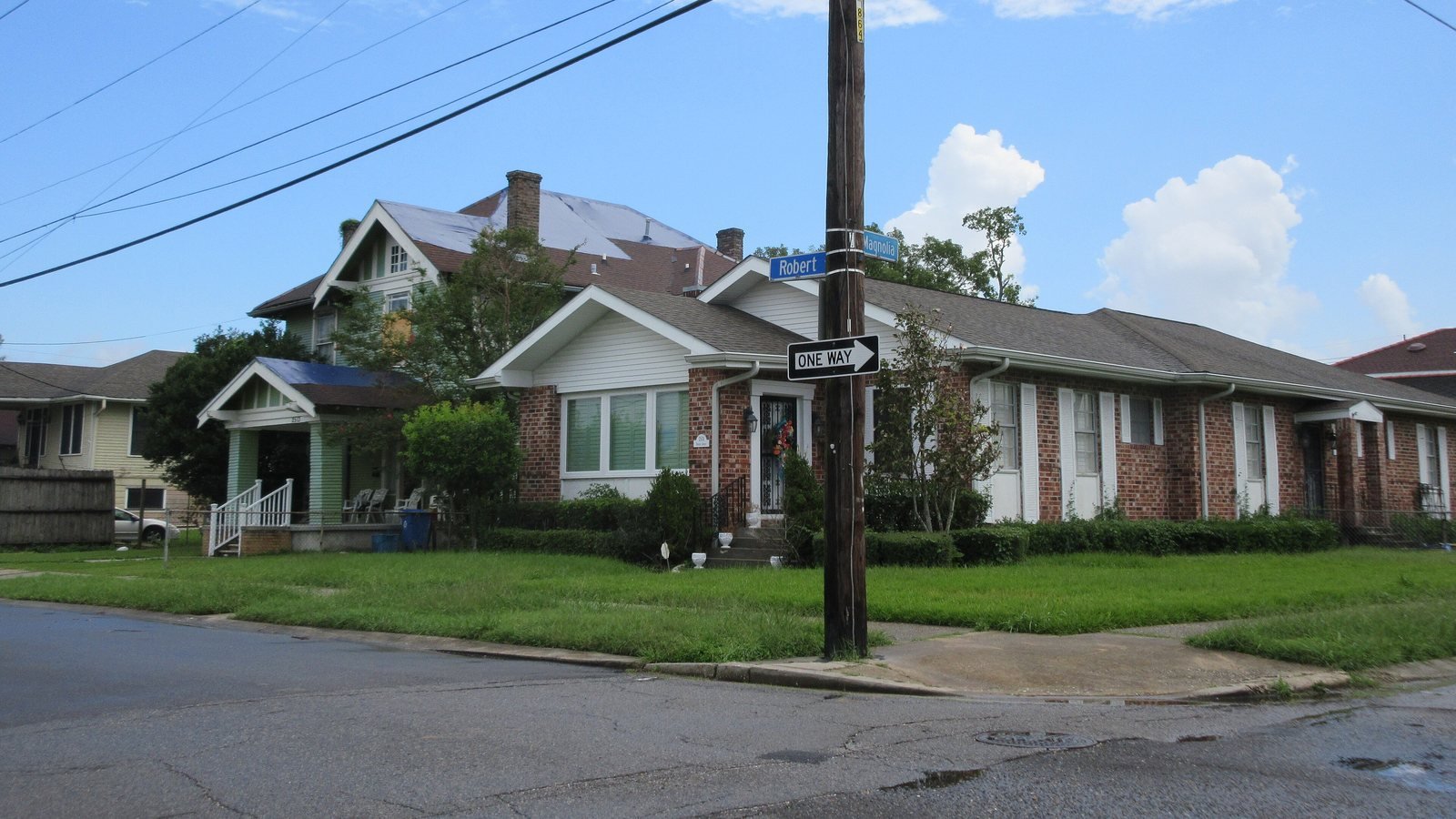
Featured image: “Ida Tarped Roof, Uptown New Orleans Sept 2021 – Robert & Magnolia” by Infrogmation of New Orleans, via Wikimedia Commons, licensed under CC BY-SA 4.0. Cropped.