Zillow’s October 2026 rent report finds renters would need a $14,408 raise to afford owning a single-family home. See where the gap is biggest and smallest, why rental demand is up 22% and how to decide whether to rent or buy.
November 16, 2026
Home improvement · Real estate · Life around the house

Zillow’s October 2026 rent report finds renters would need a $14,408 raise to afford owning a single-family home. See where the gap is biggest and smallest, why rental demand is up 22% and how to decide whether to rent or buy.
 Mai
Table of Contents
ToggleBuying a house now takes a lot more income than renting one. Zillow’s October 2026 rent report, released November 12, found that a household that can comfortably afford to rent a single-family home would need a $14,408 annual raise to comfortably afford the monthly cost of owning one, and that’s before saving for a down payment. That gap is now the widest since early 2025. Here’s what the numbers mean, where the gap is biggest and smallest, and how to decide whether to rent or buy this winter.
Zillow compared the typical cost of renting a single-family house with the monthly cost of owning one with 20% down. Nationally:
“Comfortably” here uses the common rule of thumb of spending no more than 30% of income on housing. The $14,408 difference is the raise a renter would need to own the same kind of home on the same budget rule.
The gap has grown quickly. Zillow says the raise needed to buy is more than double the $6,463 it took in February 2026, when mortgage rates briefly dipped below 6%. Rates are much higher now: Yahoo Finance’s daily rate survey put the average 30-year fixed purchase rate at 7.27% on November 16. If you’re tracking rates, our breakdown of where mortgage rates are heading after the midterms covers the outlook.
Where you live changes the math a lot. In Zillow’s list of the 50 largest metros:
In much of the Midwest and parts of Texas, owning costs only a little more each month than renting. On the coasts, especially in California, renting a house is far cheaper than buying one month to month.
Renters are noticing. Zillow’s renter demand index is up 22.1% from a year ago nationwide, and demand for single-family rentals is up 24.3%, about double the 12.1% rise for apartments. Demand jumped most in San Jose (up 78.9%), San Francisco (60.5%), Austin (59.6%), Miami (51.5%) and Jacksonville (47.9%).
Homeowners who might sell are stuck too. Realtor.com’s November 16 housing outlook notes that nearly half of outstanding mortgages carry a rate under 4%. A typical repeat buyer would face a payment jump of about $1,100 a month, or 85% more than their current $1,300 payment. That “lock-in” keeps many owners in place and keeps sales slow: existing-home sales fell to a 3.75 million annual pace in October, the lowest since August 2010, as we covered in our look at home sales hitting their lowest level since 2010.
Rent is still rising, but slowly, and landlords are offering deals. According to Zillow:
The share of listings offering concessions rose most over the year in Cincinnati, Indianapolis, St. Louis, Kansas City and Louisville. If you’re apartment hunting, these tips for a stress-free apartment rental help with the basics before you sign.
The high cost of owning isn’t the whole story. Realtor.com reports that months of supply rose to 5.1 in October, tying its November 2015 high, which it says signals “growing negotiating power” for buyers. The median sale price rose less than half a percent from October 2025. Buyers who can afford today’s payment may be able to negotiate on price, repairs or closing costs in a way they couldn’t a few years ago.
The monthly gap is just one input. Zillow itself points to several other factors. Here’s a practical way to work through them:
This article summarizes recent market data and isn’t financial advice. The right choice depends on your income, savings, local market and plans.
Month to month, renting a single-family home is cheaper in most large U.S. metros. Zillow puts the national typical rent at $2,243 vs. $2,603 a month to own with 20% down. Buffalo is the only large metro in Zillow’s list where buying doesn’t require more income than renting.
Nationally, Zillow estimates $104,132 a year to comfortably afford the typical single-family home with 20% down, compared with $89,724 to rent one. The figure is far higher in expensive metros such as San Jose, where it’s $404,925.
Zillow’s research puts the national break-even timeline at 7.8 years with 20% down. In some markets it’s shorter, and in others longer.
Rents are still rising, but slowly. Zillow’s typical asking rent was up 2.9% from a year earlier in October and flat from September, and 40.4% of listings offered concessions.
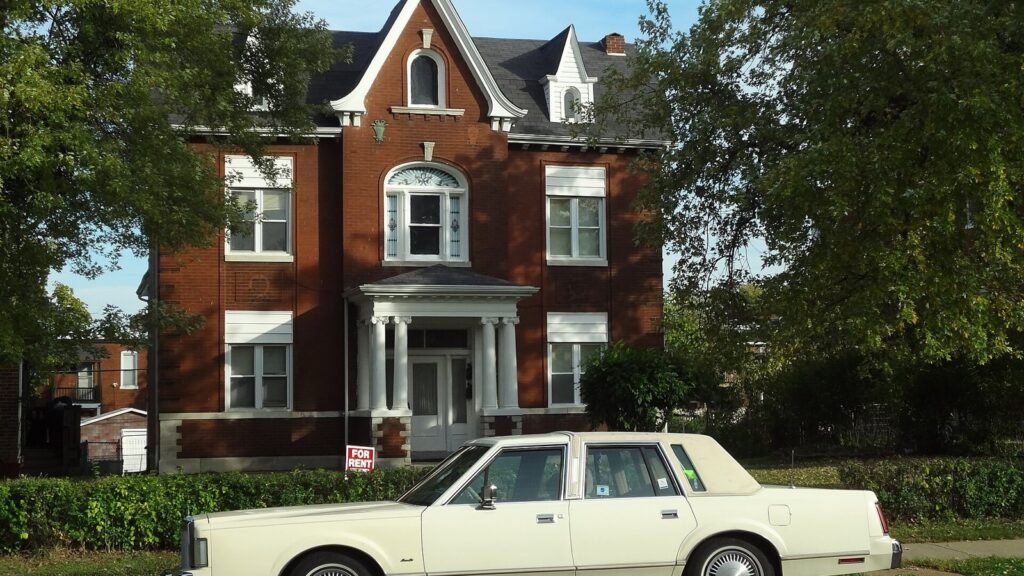
Featured image: “House for Rent” by Paul Sableman, via Wikimedia Commons, licensed CC BY 2.0. Cropped.

Mai is Candy Bird's go-to writer for everything around the house, from repairs and DIY fixes to smart storage, energy-saving upgrades and buying or selling a home. Her advice is practical, easy to follow and comes with a touch of humor, whether you're a first-time homeowner or a seasoned DIYer.
More from this writer →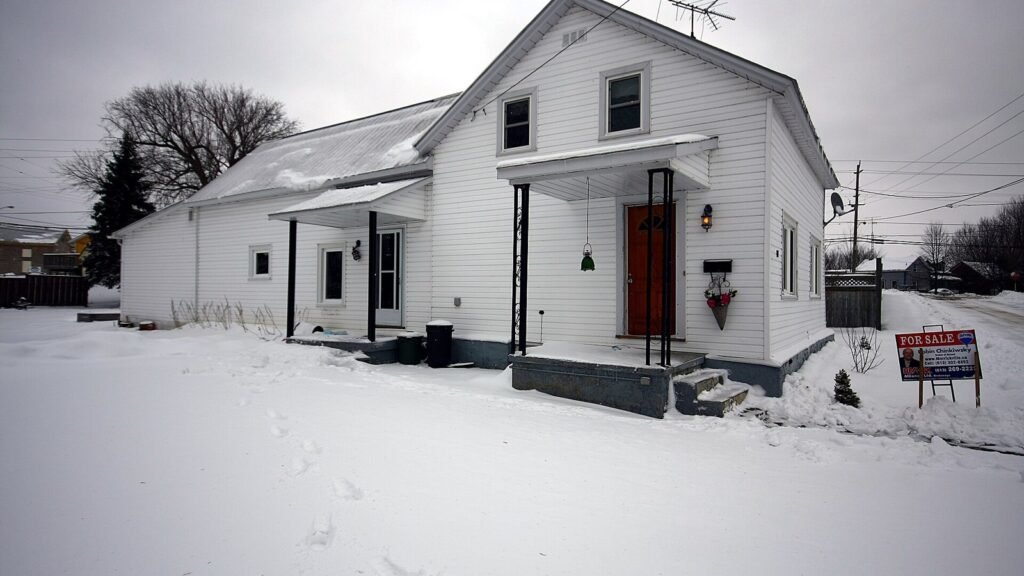
Five minutes, every weekend. Free.
Practical guides for the place you live: fixing it up, decorating it, keeping it running, and buying, selling or renting it.
© 2026 Candy Bird. All rights reserved.
Candy Bird is ad-supported. Our guides are general information, not professional, legal or financial advice: check with a licensed contractor, agent or lender before big decisions.