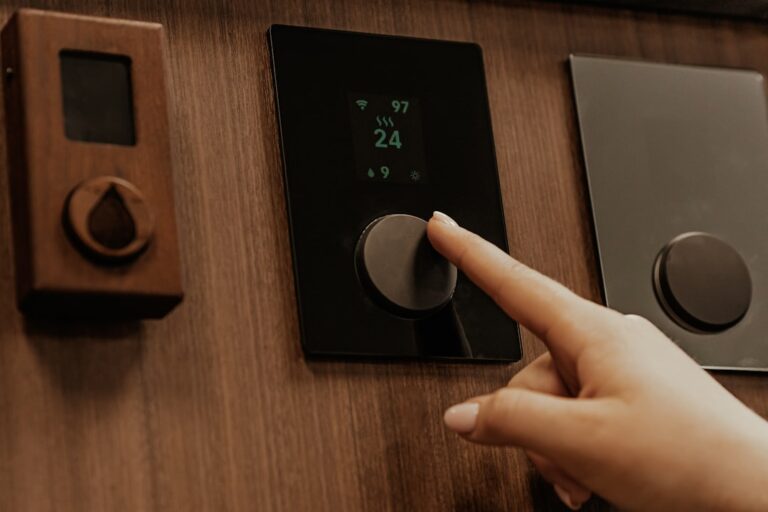
The Evolution of the Connected Dwelling: From Voice Commands to Predictive Intelligence
For decades, the concept of the automated home remained largely confined to speculative fiction and high-end luxury installations. Early iterations focused on rudimentary control systems, the promise of enhanced convenience often overshadowed by complexity and prohibitive costs. However, the past fifteen years have witnessed a dramatic acceleration in the adoption and sophistication of home automation. What began as a niche pursuit has blossomed into a burgeoning industry, fundamentally reshaping how individuals interact with their living spaces. This transformation, driven by advancements in connectivity, processing power, and artificial intelligence, is not merely about turning lights on and off with a spoken word; it is rapidly evolving towards a more intuitive, personalized, and predictive living experience.
The ubiquitous presence of smart speakers and virtual assistants has undoubtedly been the primary catalyst for mainstream home automation adoption. Devices like Amazon Echo, Google Home, and Apple HomePod have demystified the concept, making voice control an accessible and intuitive interface for a wide audience. This shift away from complex graphical interfaces and proprietary apps has lowered the barrier to entry significantly, allowing for a more natural and hands-free interaction with an ever-growing ecosystem of connected devices.
The Rise of the Virtual Assistant
Seamless Integration of Devices
The initial success of voice control was built upon its ability to act as a central hub, consolidating command over various smart home products. Users could transition from asking for the weather forecast to dimming the lights or adjusting the thermostat with simple verbal instructions. This proved to be a compelling value proposition for consumers, offering immediate convenience and a perceived upgrade to their daily routines.
Evolving Natural Language Processing (NLP)
A critical element underpinning the effectiveness of voice control has been the continuous improvement in Natural Language Processing (NLP). Early systems often struggled with nuanced language, background noise, and regional accents. However, advancements in machine learning and deep learning algorithms have enabled virtual assistants to understand a far wider range of commands and conversational queries, leading to a more robust and less frustrating user experience. This evolution is crucial for moving beyond basic commands towards more complex interactions.
The Expanding Ecosystem of Voice-Enabled Products
The influence of voice control extends beyond the smart speaker itself. Manufacturers across various appliance categories have recognized the demand for voice integration, embedding microphones and connectivity into thermostats, televisions, refrigerators, security systems, and even kitchen appliances. This has created a network effect, where the utility of one smart device is amplified by its ability to communicate with others through a unified voice interface.
Beyond the Command: The Dawn of Contextual Awareness
While voice control has democratized access to automated homes, its limitations become apparent when considering truly intelligent living. The next frontier involves not just responding to explicit commands but understanding the user’s intent, preferences, and the broader context of their environment. This shift from reactive to proactive automation is being powered by the burgeoning capabilities of artificial intelligence and machine learning.
Understanding User Behavior
Predictive Lighting and Climate Control
As AI systems gather more data on a household’s routines, they can begin to anticipate needs. For instance, a system might learn that lights in a particular room are typically turned on at a specific time on weekdays and adjust accordingly, even without a direct command. Similarly, thermostats can learn preferred temperature settings based on occupancy patterns, time of day, and even external weather conditions, optimizing energy efficiency and comfort.
Personalized Entertainment Experiences
The impact of AI is also evident in entertainment. Smart home systems can learn individual viewing preferences, suggesting movies or TV shows based on past viewing habits and even the mood of the household. This extends to music, with AI curating playlists that align with the time of day, activity, or sensed atmosphere. The goal is to move from a system that simply plays what is asked to one that anticipates what the user wants to experience.
Proactive Security and Safety Notifications
AI can significantly enhance home security by moving beyond simple motion detection. Machine learning algorithms can differentiate between a pet entering a room and a potential intruder, reducing false alarms. Furthermore, systems can analyze patterns to detect anomalies, such as a door being left ajar for an unusual amount of time or unusual activity on the property, triggering alerts and potentially notifying authorities.
The Intelligent Hub: AI as the Brain of the Home
The concept of a central hub is evolving from a simple connectivity point to an intelligent processing unit. As AI capabilities advance, the role of the home’s digital brain becomes increasingly sophisticated, orchestrating a multitude of devices and services to create a seamless and responsive living environment.
Centralized Data Analysis and Learning
Machine Learning for Optimization
The core of AI-driven living lies in its ability to learn and adapt. By aggregating data from various sensors and devices, AI algorithms can identify complex patterns and correlations that would be invisible to human observation. This data can then be used to optimize energy consumption, improve comfort levels, and enhance overall efficiency within the home.
Anomaly Detection and Predictive Maintenance
AI can go beyond simply reacting to events; it can predict potential failures. By monitoring the performance of appliances and systems, AI can identify early signs of wear and tear or suboptimal operation. This could lead to proactive maintenance alerts, preventing costly breakdowns and ensuring the longevity of home systems. For example, an AI might detect unusual energy fluctuations in a refrigerator, indicating a potential compressor issue, and alert the homeowner before it fails completely.
User Profile Generation and Personalization
AI can create detailed user profiles, not just of individual preferences but of the collective dynamics within a household. This allows for a highly personalized experience, where the home adapts to the specific needs and routines of its occupants, whether it’s adjusting lighting for a specific reading activity or managing energy usage based on individual schedules.
The Future of Interconnectivity: Seamless Integration and the IoT
The true potential of AI-driven living is unlocked through the robust and interconnected ecosystem of the Internet of Things (IoT). As more devices become “smart” and capable of communicating with each other, the AI at the heart of the home can operate with unprecedented intelligence and coordination.
The Expanding Landscape of Connected Devices
Smart Appliances and “Invisible” Automation
The trend towards embedding intelligence in everyday appliances will continue. Refrigerators that track inventory, ovens that suggest recipes based on available ingredients, and washing machines that optimize cycles based on fabric type will become increasingly common. The aim is for these capabilities to become so integrated that they operate “invisibly,” enhancing convenience without requiring constant user intervention.
Wearable Technology and Biometric Integration
| Home Automation Trends | Statistics |
|---|---|
| Voice Control | 70% of smart speaker owners use voice commands for home automation |
| AI-Driven Living | By 2025, the global smart home market is expected to reach 174 billion |
| Energy Efficiency | Smart thermostats can save homeowners an average of 10-12% on heating and 15% on cooling |
| Security | Smart security systems can reduce the risk of burglary by 300% |
The integration of wearable technology and biometric data promises to elevate home automation to a new level of personalization. An AI system could, for instance, detect a user’s rising heart rate and automatically adjust the room temperature or initiate calming ambient lighting. Similarly, integration with fitness trackers could lead to the home adjusting its environment to support recovery or performance goals.
Interoperability Standards and Protocols
A significant challenge to seamless interconnectivity has been the proliferation of proprietary platforms and communication protocols. The future will likely see greater adoption of standardized protocols that allow devices from different manufacturers to communicate and collaborate effectively. This will foster a more unified and less fragmented smart home experience, where devices can freely exchange information and act in concert.
Ethical Considerations and the Road Ahead
As home automation ventures deeper into AI-driven territory, a critical examination of the ethical implications becomes paramount. The collection and analysis of vast amounts of personal data, the potential for bias in AI algorithms, and the broader societal impact of increasingly automated living all require careful consideration.
Data Privacy and Security Concerns
The Imperative of Robust Cybersecurity
With a growing volume of sensitive personal data being collected and transmitted, the cybersecurity of smart homes is no longer a trivial concern. Robust encryption, regular software updates, and secure authentication protocols will be essential to protect against breaches and ensure the privacy of inhabitants. The potential for malicious actors to gain control of connected home systems presents a significant risk that must be proactively addressed.
Algorithmic Bias and Fairness
AI algorithms are trained on data, and if that data reflects existing societal biases, the algorithms themselves can perpetuate and even amplify those biases. This could manifest in various ways, from predictive systems that unfairly profile certain individuals to personalized services that inadvertently exclude certain demographics. Ensuring fairness and equity in AI development and deployment is a crucial ethical imperative.
The Human Element in an Automated World
As homes become more intelligent and responsive, questions arise about the impact on human interaction and autonomy. Will an over-reliance on automation lead to a diminished sense of agency or skill? How will children growing up in increasingly automated environments develop their understanding of responsibility and problem-solving? These are complex societal questions that will need ongoing dialogue and thoughtful consideration as the technology matures. The goal of home automation should be to augment human capability, not to supplant it entirely, ensuring that technology serves human needs and values.
FAQs
What are the current trends in home automation?
The current trends in home automation include voice control, AI-driven living, energy efficiency, smart security systems, and integration with smart home devices.
How does voice control work in home automation?
Voice control in home automation allows users to control various smart devices and systems using voice commands. This technology is typically powered by virtual assistants such as Amazon Alexa, Google Assistant, or Apple Siri.
What is AI-driven living in the context of home automation?
AI-driven living in home automation refers to the use of artificial intelligence to analyze and learn from the behavior of residents, optimize energy usage, and automate various tasks to enhance convenience and comfort in the home.
What are the benefits of home automation trends?
The benefits of home automation trends include increased convenience, energy savings, improved security, enhanced comfort, and the ability to customize and control various aspects of the home remotely.
How can homeowners integrate smart home devices into their home automation system?
Homeowners can integrate smart home devices into their home automation system by using compatible platforms or hubs, such as smart speakers, smart home controllers, or dedicated home automation systems. These devices can then be connected and controlled through a centralized interface.