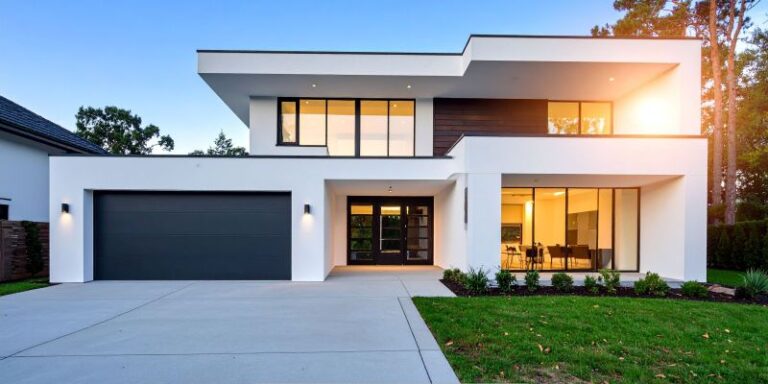
Driveway design plays a crucial role in the overall aesthetic and functionality of a property. It serves as the first point of contact for visitors and sets the tone for the entire home. A well-designed driveway not only enhances curb appeal but also provides practical benefits, such as improved accessibility and safety.
As homeowners increasingly recognize the importance of this often-overlooked aspect of property design, they are exploring various styles, materials, and landscaping options to create driveways that reflect their personal tastes and meet their functional needs. In recent years, the focus on sustainability and environmental impact has also influenced driveway design. Homeowners are now more inclined to choose materials and designs that minimize ecological footprints while still providing durability and style.
This shift towards eco-friendly options has opened up a world of possibilities for innovative driveway designs that harmonize with nature and contribute positively to the environment. As the demand for unique and functional driveways continues to grow, it is essential to explore the myriad of options available to create a driveway that is both beautiful and practical.
Key Takeaways
- Sustainable materials and landscaping enhance both the environmental impact and aesthetic appeal of driveways.
- Modern and minimalist designs offer sleek, clean looks, while traditional designs provide timeless charm.
- Creative lighting options improve safety and highlight driveway features during nighttime.
- Unique patterns and textures add personality and curb appeal to driveway spaces.
- Functional design considerations ensure safety and efficient use of space, especially in small areas.
Sustainable Materials for Driveways
The use of sustainable materials in driveway design has gained significant traction as homeowners become more environmentally conscious. Recycled concrete, for instance, is an excellent choice for those looking to reduce waste while still achieving a robust surface. This material not only diverts waste from landfills but also offers a unique aesthetic that can be customized with various finishes.
Additionally, permeable pavers made from recycled materials allow rainwater to seep through, reducing runoff and promoting groundwater recharge. This eco-friendly option is particularly appealing in areas prone to flooding or where water conservation is a priority. Another sustainable choice is the use of natural stone or gravel, which can be sourced locally to minimize transportation emissions.
These materials blend seamlessly with the surrounding landscape, creating a harmonious look that enhances the property’s natural beauty. Furthermore, they require less maintenance than traditional asphalt or concrete driveways, making them a practical option for homeowners seeking longevity without compromising on style. By opting for sustainable materials, homeowners can create driveways that not only serve their functional needs but also contribute positively to the environment.
Incorporating Landscaping into Driveway Design
Landscaping can significantly enhance the visual appeal of a driveway, transforming it from a mere functional space into an integral part of the overall landscape design. By incorporating greenery, flowers, and decorative elements, homeowners can create a welcoming entrance that complements their home’s architecture. For instance, planting low-maintenance shrubs or colorful perennials along the edges of the driveway can soften its appearance and provide a burst of color throughout the seasons.
Additionally, strategically placed trees can offer shade and create a more inviting atmosphere. Moreover, incorporating landscaping features such as decorative stones or gravel pathways can add texture and interest to the driveway design. These elements can guide visitors toward the entrance while also providing a clear delineation between the driveway and surrounding garden areas.
Water features, such as small ponds or fountains, can further enhance the ambiance, creating a serene environment that invites relaxation. By thoughtfully integrating landscaping into driveway design, homeowners can achieve a cohesive look that enhances both functionality and aesthetics.
Modern and Minimalist Driveway Designs
Modern and minimalist driveway designs emphasize clean lines, simplicity, and functionality. These designs often utilize materials such as concrete or asphalt in sleek finishes that create a contemporary look. The focus is on creating an uncluttered space that complements modern architecture while providing ample room for vehicles.
Homeowners may choose to incorporate geometric patterns or subtle textures to add visual interest without overwhelming the overall design. In addition to aesthetics, modern driveways often prioritize functionality through innovative features such as integrated drainage systems or smart lighting solutions. These elements not only enhance usability but also contribute to the overall efficiency of the space.
For instance, incorporating permeable paving allows for effective water management while maintaining a stylish appearance. By embracing modern and minimalist design principles, homeowners can create driveways that are both visually striking and highly functional.
Traditional and Classic Driveway Designs
| Driveway Design Idea | Material | Average Lifespan (Years) | Maintenance Level | Typical Width (Feet) | Cost Range (per sq ft) | Design Style |
|---|---|---|---|---|---|---|
| Concrete | Concrete | 30-40 | Low | 10-12 | 4 – 8 | Modern, Clean |
| Asphalt | Asphalt | 20-30 | Medium | 10-12 | 3 – 6 | Traditional |
| Gravel | Gravel | Varies (5-10) | High | 10-12 | 1 – 3 | Rustic, Natural |
| Paver Stones | Concrete or Clay Pavers | 25-50 | Medium | 10-12 | 8 – 15 | Elegant, Decorative |
| Stamped Concrete | Concrete with Patterns | 25-35 | Medium | 10-12 | 6 – 12 | Decorative, Custom |
| Brick | Clay Brick | 50+ | Medium | 10-12 | 10 – 20 | Classic, Timeless |
| Permeable Pavers | Concrete or Plastic Grid | 20-30 | Low to Medium | 10-12 | 7 – 14 | Eco-friendly, Modern |
Traditional and classic driveway designs evoke a sense of timeless elegance that appeals to many homeowners. These designs often feature materials such as brick or cobblestone, which provide a warm and inviting look reminiscent of historic architecture. The use of curved lines and intricate patterns can enhance the charm of these driveways, creating a sense of nostalgia while still meeting modern needs.
Incorporating classic elements such as wrought iron gates or stone pillars can further elevate the design, adding an air of sophistication to the entrance. Homeowners may also choose to integrate landscaping features like hedges or flowering plants along the edges of the driveway to enhance its traditional appeal. By blending classic materials with thoughtful landscaping, homeowners can create driveways that not only serve their practical purposes but also reflect their appreciation for timeless design.
Creative Lighting Options for Driveways
Lighting plays a vital role in enhancing both safety and aesthetics in driveway design. Creative lighting options can transform a simple driveway into an enchanting pathway that guides visitors safely to the entrance of a home. From solar-powered path lights to recessed lighting embedded in paving stones, there are numerous ways to illuminate driveways effectively.
Incorporating ambient lighting along the edges of the driveway can create a warm and inviting atmosphere during nighttime hours. Homeowners may opt for stylish lanterns or modern LED fixtures that complement their overall design theme. Additionally, using motion-sensor lights can enhance security by illuminating the area when someone approaches, providing peace of mind for homeowners.
By thoughtfully integrating lighting into driveway design, homeowners can ensure safety while also enhancing the visual appeal of their property.
Driveway Designs for Small Spaces
Designing a driveway in a small space presents unique challenges but also offers opportunities for creativity and innovation. Homeowners with limited space can maximize functionality by opting for compact designs that prioritize efficiency without sacrificing style. For instance, using narrow pavers or gravel can create an illusion of more space while still providing adequate room for vehicles.
Vertical landscaping elements such as trellises or vertical gardens can also be incorporated to draw the eye upward, making the area feel larger than it is. Additionally, utilizing multi-functional features like built-in seating or planters can enhance usability without overcrowding the space. By embracing smart design principles tailored for small areas, homeowners can create driveways that are both practical and visually appealing.
Unique Patterns and Textures for Driveways
Incorporating unique patterns and textures into driveway design can elevate its visual impact significantly. Homeowners have an array of options at their disposal, from stamped concrete that mimics natural stone to intricate brick patterns that add character and charm. These design elements allow homeowners to express their individuality while creating a distinctive entrance.
Textured surfaces not only enhance aesthetics but also provide practical benefits such as improved traction during wet conditions. For example, using textured pavers or porous materials can help prevent slipping while adding visual interest. Homeowners may also experiment with contrasting colors or materials to create eye-catching designs that stand out in their neighborhood.
By embracing unique patterns and textures, homeowners can craft driveways that are truly one-of-a-kind.
Driveway Designs for Curb Appeal
Curb appeal is essential for any homeowner looking to make a positive impression on visitors and potential buyers alike. A well-designed driveway contributes significantly to this aspect by serving as an attractive focal point in the landscape. Homeowners can enhance curb appeal by selecting materials and designs that complement their home’s architecture while also considering surrounding landscaping elements.
Incorporating decorative borders or edging can help define the driveway’s shape while adding visual interest. Additionally, integrating colorful plants or seasonal flowers along the edges can create a vibrant atmosphere that draws attention to the entrance. Thoughtful lighting solutions further enhance curb appeal by illuminating the driveway at night, ensuring it remains inviting even after sunset.
By prioritizing curb appeal in driveway design, homeowners can create an inviting atmosphere that reflects their personal style.
Driveway Designs for Functionality and Safety
Functionality and safety are paramount considerations in any driveway design. Homeowners must ensure that their driveways accommodate vehicle access while providing safe passage for pedestrians as well. This often involves selecting appropriate materials that withstand heavy traffic while offering durability over time.
Incorporating features such as clear signage or designated pedestrian pathways can enhance safety by guiding visitors effectively through the space. Additionally, ensuring proper drainage is crucial in preventing water accumulation that could lead to hazards such as slipping or flooding. By prioritizing functionality alongside safety in driveway design, homeowners can create spaces that serve their practical needs while ensuring peace of mind for all who use them.
Conclusion and Final Tips for Driveway Design
In conclusion, driveway design is an essential aspect of property aesthetics and functionality that deserves careful consideration. From selecting sustainable materials to incorporating landscaping elements, there are numerous ways homeowners can create driveways that reflect their personal style while meeting practical needs. Embracing modern trends alongside traditional designs allows for versatility in creating unique spaces tailored to individual preferences.
As homeowners embark on their driveway design journey, it is crucial to prioritize both aesthetics and functionality while considering safety measures throughout the process. By exploring various styles, materials, and innovative features, they can craft driveways that not only enhance curb appeal but also serve as welcoming entrances to their homes. Ultimately, thoughtful planning and creativity will lead to driveways that stand out as beautiful yet functional extensions of their properties.
FAQs
What are some popular materials used for driveway design?
Common materials for driveway design include concrete, asphalt, gravel, pavers, and stamped concrete. Each material offers different aesthetics, durability, and maintenance requirements.
How do I choose the right driveway design for my home?
Consider factors such as the architectural style of your home, budget, climate, driveway size, and intended use. Additionally, think about maintenance needs and local regulations or HOA guidelines.
What are the benefits of using permeable driveway materials?
Permeable materials allow water to pass through, reducing runoff and promoting groundwater recharge. This can help prevent flooding and erosion while being environmentally friendly.
How much does driveway installation typically cost?
Costs vary widely depending on materials, size, and location. On average, concrete driveways can range from $4 to $10 per square foot, while asphalt is usually less expensive. Custom designs and premium materials will increase costs.
Can I design a driveway that accommodates multiple vehicles?
Yes, driveways can be designed with wider widths, multiple parking bays, or circular layouts to accommodate several vehicles comfortably.
What maintenance is required for different driveway materials?
Concrete driveways may need sealing every few years; asphalt requires periodic sealing and crack repairs; gravel driveways need regular replenishing and grading; pavers may require weed control and occasional resetting.
Are there eco-friendly driveway design options?
Yes, options include permeable pavers, gravel, recycled materials, and incorporating green spaces or rain gardens alongside the driveway to manage stormwater naturally.
How can lighting be integrated into driveway design?
Driveway lighting can be added using solar or electric lights along the edges, embedded LED lights, or decorative lamp posts to enhance safety and curb appeal.
Is it necessary to get permits for driveway construction?
Permit requirements vary by location. It is important to check with local authorities or homeowners associations before starting construction to ensure compliance with regulations.
What design features can improve driveway safety?
Features such as proper grading for drainage, non-slip surfaces, adequate lighting, clear visibility, and smooth transitions to the street can enhance driveway safety.